






April Gardening Guide: Plant, Grow & Enjoy Your Spring Garden
April is one of the most rewarding months to garden in Georgia and the Carolinas. The soil is warming, days are longer, spring flowers are filling the landscape, and vegetable gardens are ready to move into full production.
This is the month to plant tomatoes, peppers, cucumbers, herbs, annual flowers, roses, hydrangeas, trees, shrubs, and summer-flowering bulbs. It is also time to feed actively growing lawns, prune spring-blooming shrubs after flowering, refresh houseplants, welcome hummingbirds and butterflies, and prepare patios for outdoor living.
What’s Taking Root This Month
Your April priorities at a glance.
- Plant tomatoes, peppers, cucumbers, zucchini, eggplant, and herbs after frost danger has passed.
- Improve heavy clay soil with organic planting mix or finished compost before planting vegetables.
- Refresh beds, containers, and hanging baskets with warm-season annual color.
- Plant trees, shrubs, roses, hydrangeas, Japanese maples, and flowering vines.
- Prune traditional azaleas and other early spring-blooming shrubs after they finish flowering.
- Plant summer-flowering bulbs such as dahlias, gladiolus, and caladiums.
- Feed fescue lawns and fertilize Bermuda or zoysia once they are at least 50% green.
- Inspect, repot, and fertilize houseplants as active growth resumes.
- Move houseplants outdoors gradually once nighttime temperatures are consistently mild.
- Clean bird feeders, add fresh nectar, and provide a dependable water source.
- Plant nectar and host plants for butterflies, hummingbirds, and other pollinators.
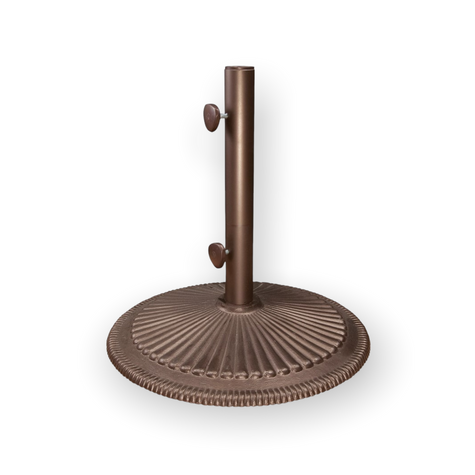
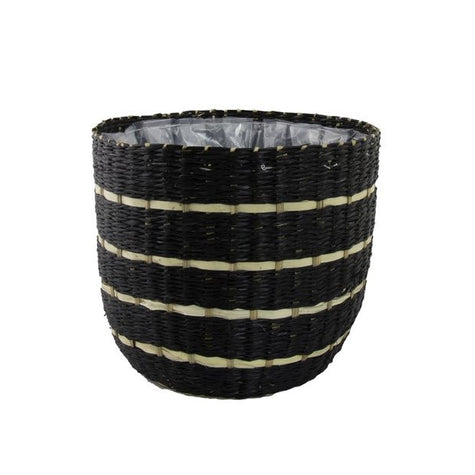
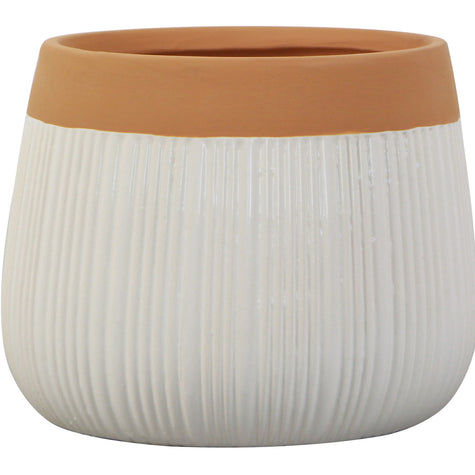
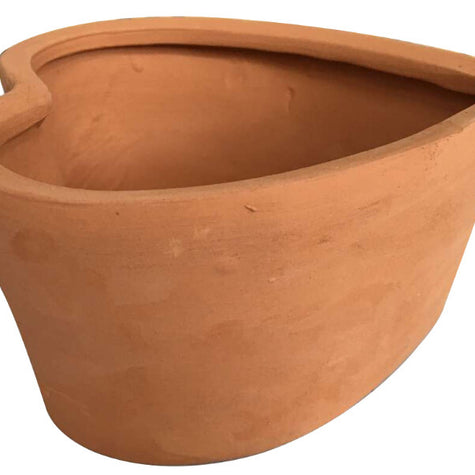
- Refresh patios and outdoor spaces with pottery, fountains, furniture, and container gardens.
What You’ll Find in This April Garden Guide
Why April Is an Important Gardening Month
April is when the spring garden moves from preparation into active growth. Soil temperatures are warmer, roots are developing quickly, and many plants can establish before the heat of summer arrives.
Even in April, local conditions matter. A late frost is still possible in some areas of Georgia and the Carolinas, especially in higher elevations and inland locations. Watch the forecast and protect tender vegetables, tropical plants, and newly planted annuals with frost cloth when needed. Remove coverings the following morning so plants can receive light and air.
Before planting, inspect beds for winter damage, remove weeds, loosen compacted soil, and add organic matter. Refresh mulch after planting, but keep it away from stems, trunks, and crowns.
Start the Spring Vegetable Garden
April is prime planting time for many warm-season vegetables. Tomatoes, peppers, cucumbers, zucchini, squash, and eggplant thrive as the soil warms and nighttime temperatures become more consistent.
Most vegetables need at least six to eight hours of direct sunlight. Select a location with good drainage and easy access to water. Avoid planting vegetables where nearby trees or large shrubs will compete for moisture and nutrients.
Improve Heavy Clay Soil
Much of Georgia and the Carolinas has dense clay soil. Clay can hold nutrients well, but it may drain slowly and become compacted. Blend native soil with a high-quality planting mix or finished compost to improve structure, root development, and moisture balance.
Avoid working clay soil when it is saturated. Digging or tilling wet clay can create dense clumps that remain compacted after drying.
Water at the Root Zone
Water vegetables deeply and consistently rather than applying frequent shallow irrigation. Morning watering gives foliage time to dry and may reduce disease pressure. Drip irrigation or soaker hoses can deliver moisture directly to the root zone.
Add a layer of clean mulch around established vegetables to reduce weeds, limit soil splashing, and conserve moisture. Keep mulch slightly away from the main stem.
Grow Better Tomatoes
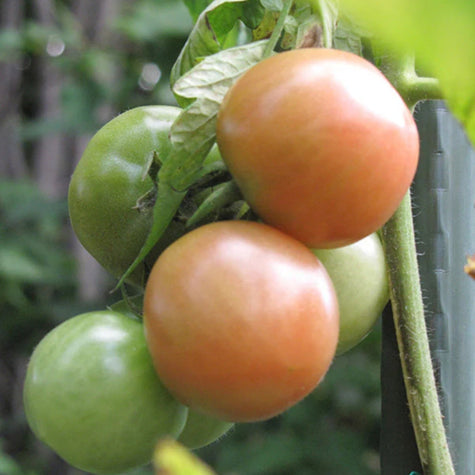
Tomatoes are among the most popular warm-season vegetables, and April is an ideal time to establish plants once frost danger has passed. Choosing the right type, planting deeply, supporting the plant early, and maintaining even moisture can significantly improve the harvest.
Determinate vs. Indeterminate Tomatoes
Determinate tomatoes grow to a more compact size and produce much of their crop within a concentrated period. They are often a good choice for containers, small gardens, and gardeners who want a large harvest for preserving.
Indeterminate tomatoes continue growing and producing throughout the season until frost or disease stops them. They need tall cages, sturdy stakes, or trellises and usually require more space.
Choose Tomatoes by Use
Slicing tomatoes such as Better Boy, Celebrity, Beefmaster, and Mortgage Lifter are grown for sandwiches and fresh eating. Paste tomatoes such as Roma and San Marzano contain more flesh and less juice, making them popular for sauces. Smaller salad and snacking tomatoes produce bite-sized fruit for salads and containers.
Plant Tomatoes Deeply
Tomatoes can develop roots along buried portions of the stem. Remove the lowest leaves and plant the root ball deeper than it was growing in the container. In heavy soil, avoid placing the root system in a poorly drained pocket.
Support Tomatoes at Planting Time
Install tomato cages, stakes, or trellises when plants are set in the garden. Adding support early prevents root damage and makes it easier to train young stems.
Feed for Flowers and Fruit
Use a fertilizer labeled for vegetables or tomatoes and follow the package directions. Excess nitrogen can create lush leaves while reducing flowering and fruit production.
Tomatoes also need consistent calcium uptake. Maintaining even soil moisture is one of the most important steps for reducing blossom-end rot, which is often associated with interrupted calcium movement caused by irregular watering.
Plant Herbs and Companion Plants
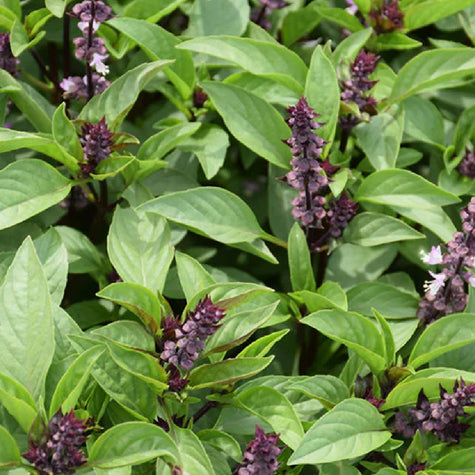
Herbs are easy to grow in garden beds, raised beds, containers, and mixed edible landscapes. Basil, oregano, thyme, rosemary, sage, dill, parsley, and mint can provide flavor while attracting beneficial insects and pollinators.
Basil pairs naturally with tomatoes in both the garden and kitchen. Oregano, thyme, rosemary, and sage prefer strong sunlight and well-drained soil. Dill provides nectar for beneficial insects and serves as a host plant for black swallowtail caterpillars.
Mint spreads quickly through underground stems, so it is usually best grown in a container.
Companion Plants for the Vegetable Garden
Marigolds, nasturtiums, yarrow, and flowering herbs can add color and bring pollinators and beneficial insects into the edible garden. Companion plants do not replace proper pest management, but they can increase plant diversity and support a healthier garden ecosystem.
Refresh the Garden with Annual Color
As pansies, cyclamen, and other cool-season flowers begin declining, replace them with warm-season annuals suited to the available sunlight.
Annuals for Sunny Areas
Geraniums, marigolds, petunias, calibrachoa, verbena, lantana, SunPatiens, and many premium annuals perform well with generous sunlight. Group plants with similar moisture needs and allow enough space for mature growth.
Annuals for Shadier Areas
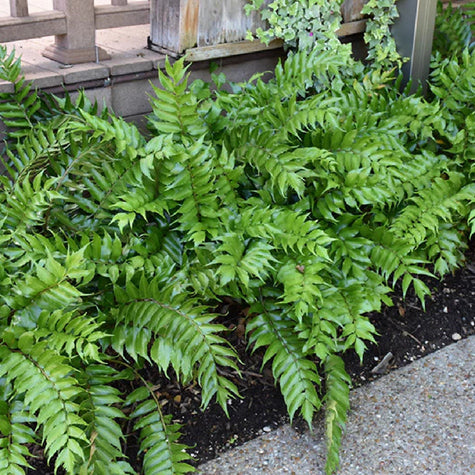
Coleus, green-leaf begonias, traditional impatiens, torenia, and Boston ferns can bring color and texture to porches, covered patios, and woodland-style beds.
SunPatiens can tolerate more sun than traditional impatiens, but they still need consistent moisture during hot weather.
Hanging Baskets and Ready-Made Gardens
Hanging baskets and mixed patio pots provide instant color for porches, entries, and entertaining spaces. Check moisture daily as temperatures rise because elevated containers can dry quickly.
Plant Trees, Shrubs, and Vines
April remains an excellent month to add structure and long-term value to the landscape with trees, shrubs, and vines. Planting before summer heat allows roots time to establish.
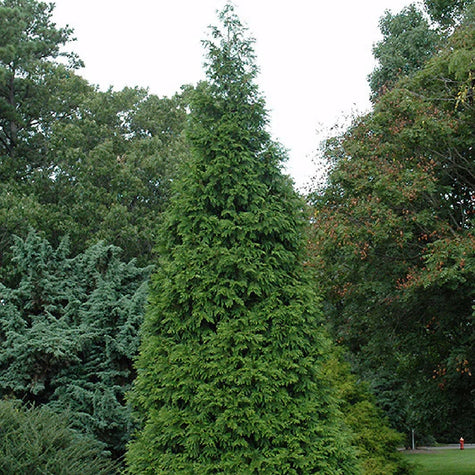
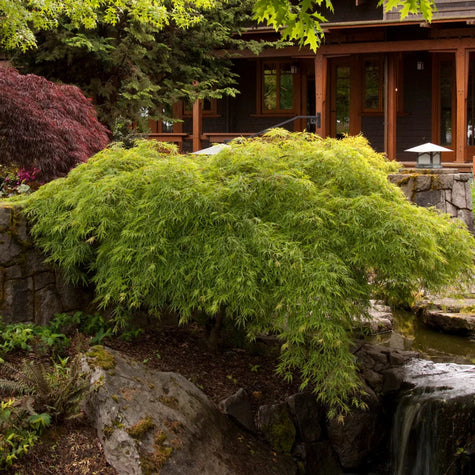
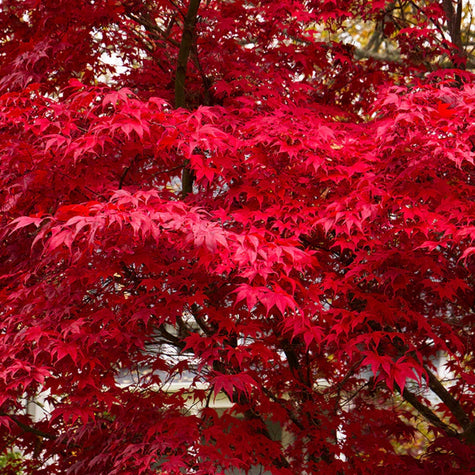
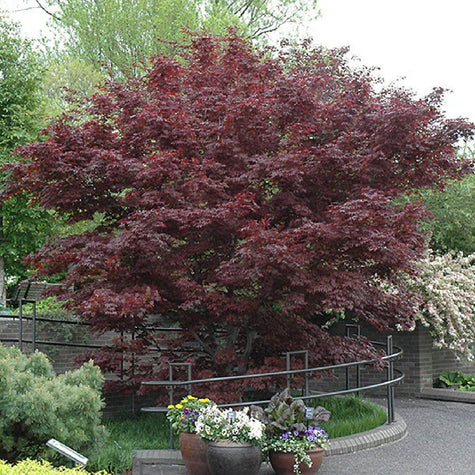
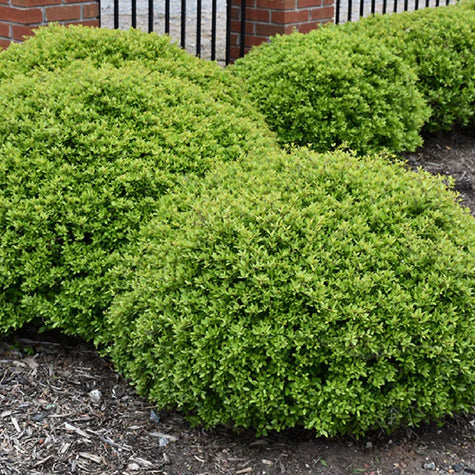
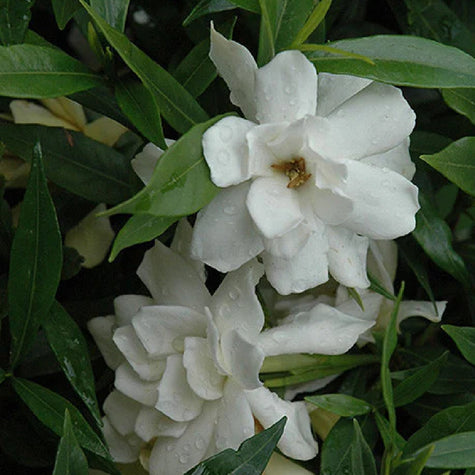
Consider Japanese maples for elegant form, gardenias for fragrance, boxwoods for evergreen structure, hydrangeas for summer flowers, arborvitae and hollies for screening, and rhododendrons for spring color in protected locations.
Screening Plants
Green Giant arborvitae, Emerald Green arborvitae, and large-growing hollies can create privacy where adequate width is available. Always consider mature size before planting a screen.
Plants for Narrow Spaces
Narrow-growing selections such as Taylor juniper and upright hollies can provide height where planting space is limited. Allow enough distance from foundations, fences, and walkways for mature growth.
Shady Groundcovers
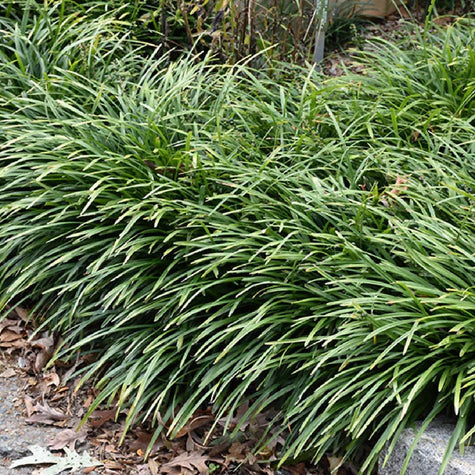
Mondo grass and pachysandra can cover shaded soil beneath trees or along woodland paths. Prepare the soil thoroughly and water consistently while plants spread.
Flowering Vines
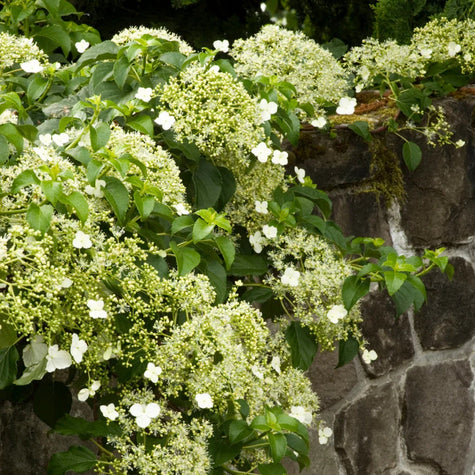
Clematis, mandevilla, and other flowering vines add vertical interest to trellises, fences, and containers. Clematis prefers a sunny upper canopy with a cool, shaded root zone, while mandevilla is tropical and should be protected from cold temperatures.
Choose and Care for Roses
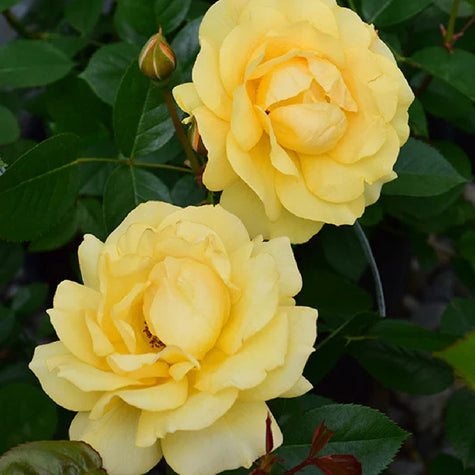
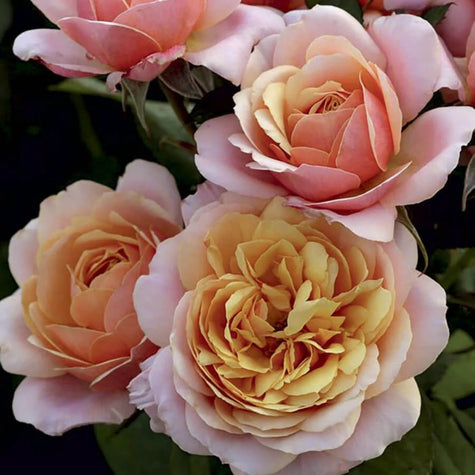
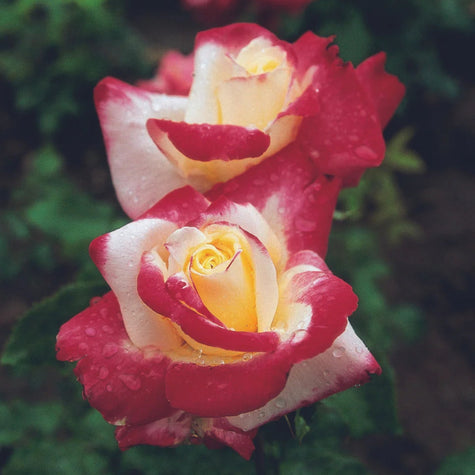
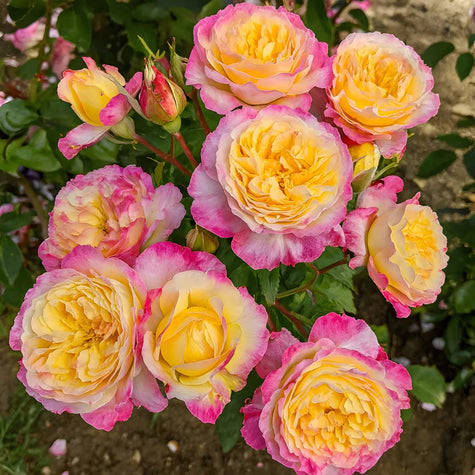
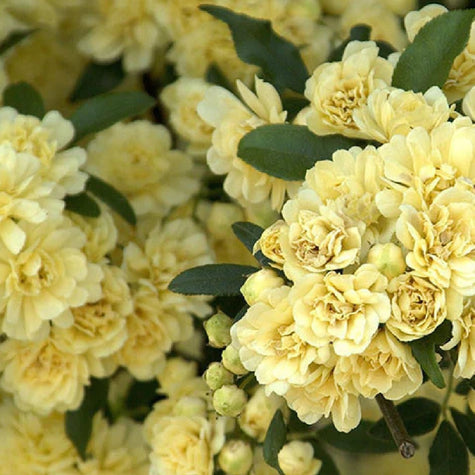
April is one of the best times to select roses because many plants are beginning to bloom. Seeing the flowers in person makes it easier to compare color, fragrance, form, and mature growth habit.
Hybrid tea roses are popular for cutting, while floribundas produce clusters of flowers. Shrub and landscape roses are valued for repeat bloom and lower maintenance. Climbing roses can be trained on fences, arches, and trellises.
Plant roses in a location receiving at least six hours of sunlight with good air circulation. Water deeply at the root zone and avoid keeping foliage wet overnight.
Feed established roses according to the selected fertilizer label once active growth is underway. Remove faded blooms as appropriate and monitor foliage for black spot, powdery mildew, aphids, and other common problems.
Grow Hydrangeas Successfully
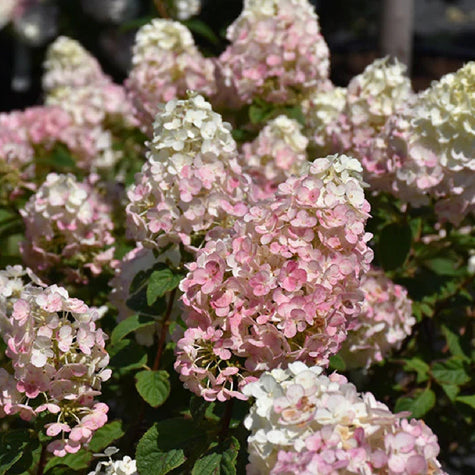
Hydrangeas are among the most popular flowering shrubs for Southern landscapes. April is a good month to plant them while temperatures are mild and roots can establish.
Bigleaf hydrangeas, including reblooming selections such as Endless Summer and compact forms such as Pop Star, generally perform best with morning sun and afternoon shade. They need rich, well-drained soil and consistent moisture.
Flower color in many bigleaf hydrangeas is influenced by soil chemistry, although genetics and variety also matter. Avoid making sudden or extreme soil changes without testing.
Know When to Prune
Pruning time depends on hydrangea type. Many bigleaf hydrangeas bloom on old wood, so heavy winter or spring pruning may remove flower buds. Panicle and smooth hydrangeas generally bloom on new growth and can be pruned while dormant.
When the variety is unknown, remove only dead or damaged branches until the bloom habit becomes clear.
Prune Azaleas After Bloom
Traditional azaleas form flower buds for the following spring during the current growing season. Prune them soon after flowering so there is enough time for new growth and bud development.
Remove dead branches, reduce overly long stems, and improve the natural shape without shearing every shrub into a tight form. Avoid pruning late in summer or fall.
Reblooming azaleas may have slightly different pruning needs because they flower more than once. Light shaping after the main spring bloom is generally safer than severe pruning.
After pruning, feed with a fertilizer labeled for acid-loving plants if needed and maintain a two- to three-inch mulch layer over the root zone.
Plant Summer-Flowering Bulbs
Late April is a good time to begin planting summer-flowering bulbs and tubers after the danger of frost has passed and the soil has warmed.
Dahlias
Dahlias produce flowers in a wide range of sizes and colors. Plant them in full sun with rich, well-drained soil. Taller varieties may need staking.
Gladiolus
Gladiolus produces tall flower spikes that are excellent for cutting. Plant bulbs in groups for greater impact and stagger plantings every couple of weeks to extend the bloom period.
Caladiums
Caladiums are grown for colorful foliage and perform well in warm soil. Many varieties prefer filtered light or shade, although some tolerate more sun with adequate moisture.
Cannas, elephant ears, lilies, and other summer bulbs can also add tropical foliage, height, and color to beds and large containers.
Care for Spring-Flowering Bulbs
Remove faded flowers from daffodils, tulips, hyacinths, and other spring bulbs so plants do not spend energy producing seed.
Leave the foliage in place until it turns yellow naturally. Green leaves continue feeding the bulb and storing energy for next year’s flowers.
Apply a fertilizer labeled for bulbs after flowering, following the package directions. Do not braid or tie green foliage because this reduces the leaf surface available for photosynthesis.
Create Spring Container Gardens
Container gardens can bring immediate color to porches, patios, balconies, and entrances. Choose a pot with drainage holes and fill it with a quality potting mix rather than native garden soil.
Use the Thriller, Filler, and Spiller Method
A thriller provides height, fillers add body, and spillers trail over the edge. For sunny containers, combine upright geraniums or tropical plants with petunias, calibrachoa, verbena, and trailing sweet potato vine.
For shaded containers, combine ferns, coleus, begonias, heuchera, and trailing foliage plants.
Check container moisture frequently. Small pots, hanging baskets, and containers exposed to wind may need water more often than in-ground plants.
Support Birds, Butterflies, and Pollinators
April brings increased activity from hummingbirds, butterflies, bees, and beneficial insects. A diverse garden can provide nectar, pollen, host plants, shelter, and water.
Plants for Butterflies and Bees
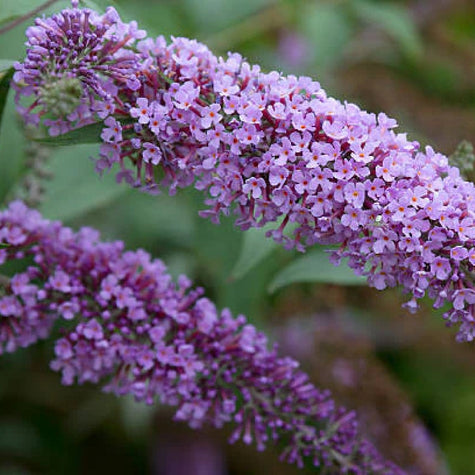
Milkweed, yarrow, echinacea, salvia, lantana, verbena, butterfly bush, dill, and other flowering plants can support pollinators. Milkweed is especially important because it serves as a host plant for monarch butterfly caterpillars.
Use a variety of flower shapes and bloom periods so nectar and pollen are available throughout the season.
Beneficial Insects
Ladybugs and praying mantises are predators of some garden pests, but they work best as part of a broader integrated pest management plan. Avoid broad-spectrum pesticide applications that may also harm beneficial insects.
Feed and Water Birds
Clean seed feeders regularly and keep them filled with fresh food. Hummingbird feeders should contain one part plain white sugar to four parts water. Do not add red dye.
Birdbaths provide drinking and bathing water. Place them where birds can see approaching predators and clean them frequently to prevent algae and mosquito development.
Care for Fescue, Bermuda, and Zoysia Lawns
April lawn care depends on the type of grass. Applying the wrong product or fertilizer at the wrong time can reduce lawn quality, so identify the turf before beginning.
Fescue Lawns
Feed fescue with a lawn fertilizer labeled for cool-season grass and mow at the recommended height. As temperatures rise, avoid pushing excessive tender growth with too much nitrogen.
Bermuda and Zoysia Lawns
Wait until Bermuda or zoysia is at least 50% green before applying fertilizer. Fertilizing too early may feed weeds instead of actively growing turf.
Crabgrass Control
If crabgrass has already emerged, a pre-emergent alone will not eliminate it. Select a product labeled for existing crabgrass and confirm that it is safe for the lawn species. Always follow label directions.
Install Sod
April can be a good month to install sod as warm-season grasses begin active growth. Prepare the soil, lay pieces tightly, roll for good soil contact, and water consistently during establishment.
Refresh Houseplants
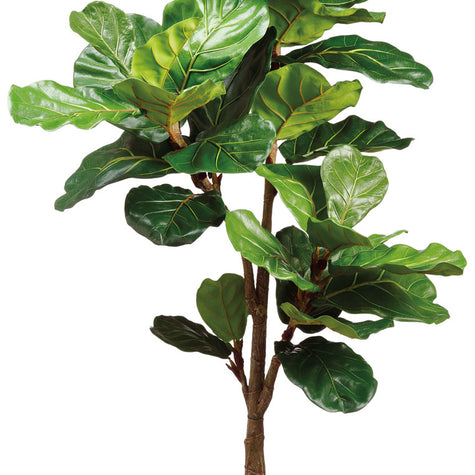
Longer days encourage houseplants to produce new growth. Inspect plants closely for crowding, damaged leaves, pests, and compacted potting mix.
Repot plants when roots circle the container, grow through drainage holes, or cause the pot to dry unusually quickly. Move up only one container size and use fresh indoor potting mix.
Resume feeding gradually with a fertilizer labeled for houseplants. Increase watering only when the plant and environment require it. More sunlight and active growth may increase water use, but overwatering remains a common problem.
Move Houseplants Outdoors Gradually
Once nighttime temperatures are consistently similar to indoor conditions, many houseplants can spend spring and summer outside. Begin in a shaded, sheltered location and gradually introduce stronger light over one to two weeks.
Even plants that prefer bright light indoors can scorch if moved directly into outdoor sun.
Prepare Outdoor Living Spaces
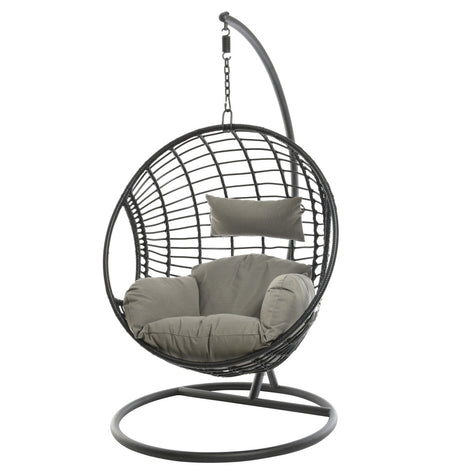
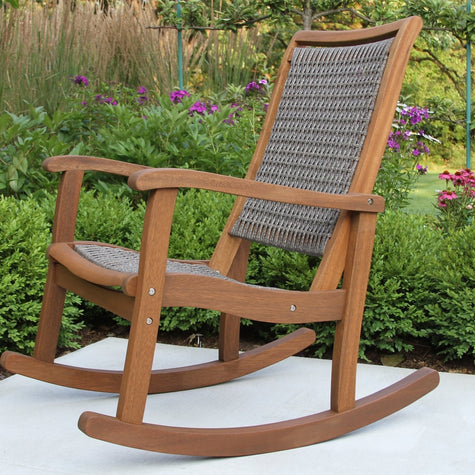
April is an ideal time to prepare patios, decks, and porches for outdoor dining and relaxation. Clean furniture, inspect cushions, and arrange seating to take advantage of garden views and shade.
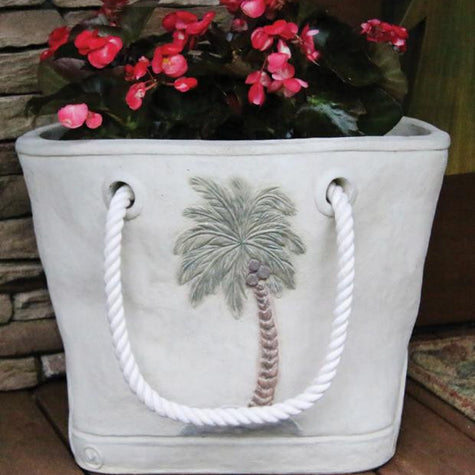
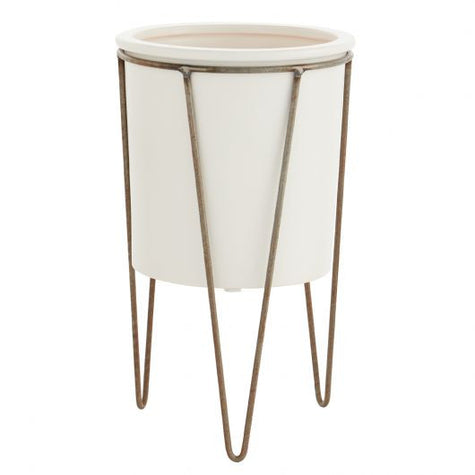
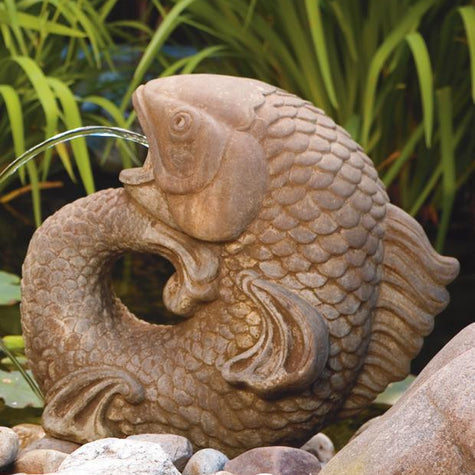
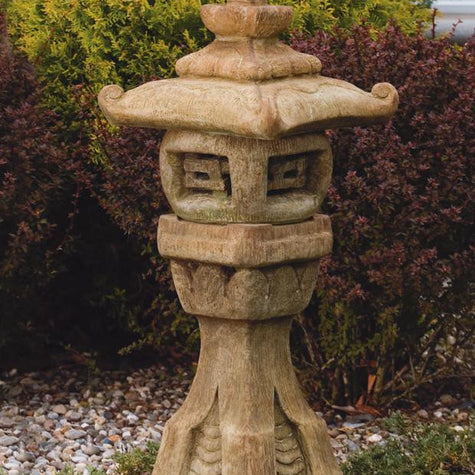
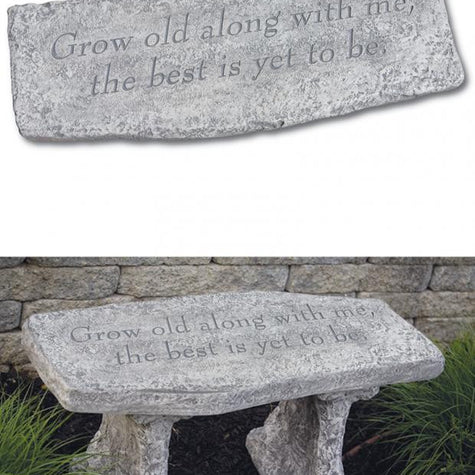
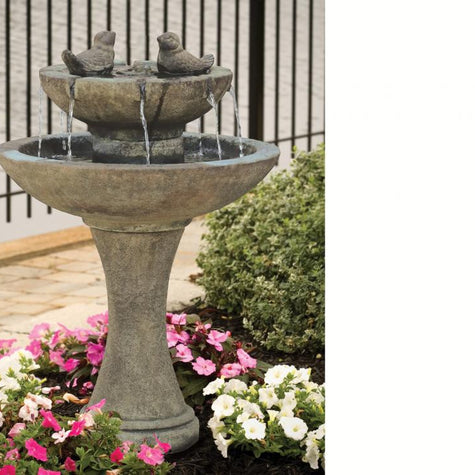
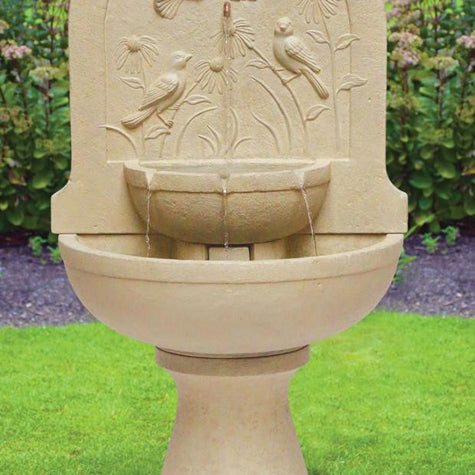
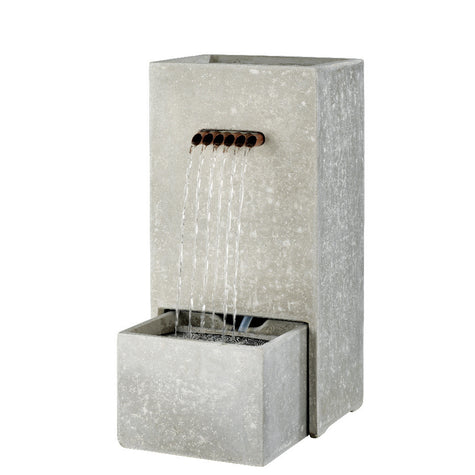
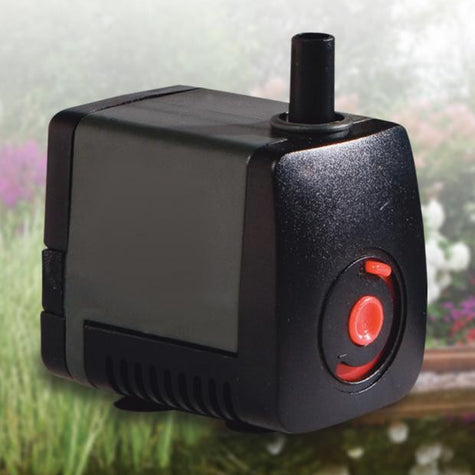
Use pottery, hanging baskets, and mixed containers to connect hard surfaces with the landscape. Fountains add movement and sound, while birdbaths and statuary create focal points.
Consider how the space will be used before purchasing furniture. Dining sets need room for chairs to move comfortably, while conversation areas benefit from smaller tables and flexible seating.
Celebrate Earth Day in the Garden
Earth Day and Arbor Day are natural opportunities to plant something that provides long-term environmental value.
Trees can create shade, reduce reflected heat, provide wildlife habitat, and improve the character of a landscape. Native and regionally adapted shrubs and perennials can support pollinators while requiring fewer inputs once established.
Other meaningful projects include starting a pollinator garden, planting herbs and vegetables, adding a rain garden, reducing unnecessary lawn areas, composting yard waste, or replacing invasive plants with better choices.
Plan Your Landscape
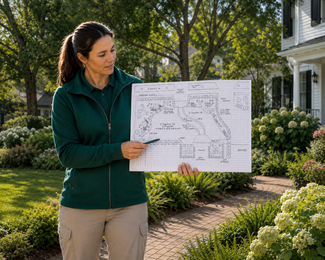
Spring enthusiasm can make it tempting to buy plants before developing a plan. A thoughtful design helps organize trees, shrubs, perennials, lawn, pathways, patios, and outdoor living areas into a cohesive landscape.
Begin by identifying the most important goals for the property. These may include privacy, curb appeal, shade, drainage improvement, entertaining space, pollinator habitat, or lower maintenance.
Professional guidance can help match plants to the site, account for mature size, and create a phased plan that can be installed over time.
Bring Your Spring Garden Vision to Life
A Pike landscape designer can visit your property, discuss your goals, and create a personalized plan suited to your home, lifestyle, and local growing conditions.
Explore Landscape DesignApril Garden Checklist
- Plant tomatoes, peppers, cucumbers, zucchini, squash, and eggplant after frost danger passes.
- Amend heavy clay soil with organic planting mix or finished compost.
- Install tomato cages or stakes when planting.
- Plant basil, oregano, thyme, rosemary, sage, dill, and other herbs.
- Add marigolds, nasturtiums, yarrow, and flowering herbs near vegetable gardens.
- Replace declining cool-season annuals with warm-season color.
- Plant geraniums, petunias, calibrachoa, verbena, lantana, and SunPatiens in sunny areas.
- Use coleus, begonias, impatiens, and ferns in shaded areas.
- Plant trees, shrubs, roses, hydrangeas, Japanese maples, and vines.
- Choose screening plants based on mature height and width.
- Plant mondo grass or pachysandra in suitable shaded locations.
- Select roses while plants are beginning to bloom.
- Water newly planted roses at the root zone.
- Plant hydrangeas in rich, well-drained soil.
- Prune traditional azaleas after flowering.
- Feed acid-loving shrubs according to label directions.
- Plant dahlias, gladiolus, caladiums, and other summer bulbs after frost danger passes.
- Remove faded spring bulb flowers but leave foliage intact.
- Feed spring-flowering bulbs after bloom.
- Create container gardens with plants that share similar light and water needs.
- Check hanging baskets and small containers frequently for moisture.
- Plant milkweed, salvia, yarrow, echinacea, and other pollinator plants.
- Clean bird feeders and birdbaths.
- Fill hummingbird feeders with fresh sugar-water solution.
- Feed fescue lawns as appropriate.
- Fertilize Bermuda and zoysia only after they are at least 50% green.
- Treat existing crabgrass with a product labeled for the lawn type.
- Install sod and keep it consistently moist during establishment.
- Repot crowded houseplants and resume light feeding.
- Move houseplants outdoors gradually after cold weather has passed.
- Refresh patios with containers, pottery, fountains, and outdoor furniture.
- Plant a tree, shrub, or pollinator garden for Earth Day or Arbor Day.
- Begin planning larger landscape improvements before summer heat arrives.
Frequently Asked Questions
Find answers to common questions about April vegetable gardening, tomatoes, annual flowers, hydrangeas, azaleas, roses, lawns, houseplants, pollinators, and summer bulbs in Georgia and the Carolinas.
When should I plant tomatoes outdoors?
Plant tomatoes after the danger of frost has passed and nighttime temperatures are consistently mild. Local timing varies throughout Georgia and the Carolinas.
What is the difference between determinate and indeterminate tomatoes?
Determinate tomatoes stay more compact and produce much of their crop within a shorter period. Indeterminate tomatoes continue growing and producing through the season and need taller support.
Can I prune azaleas in April?
Yes. Prune traditional azaleas soon after their spring flowers fade so they have time to produce new growth and set buds for next year.
When should I fertilize Bermuda and zoysia lawns?
Wait until the lawn is at least 50% green and actively growing. Fertilizing too early may encourage weeds rather than the turf.
Can houseplants be moved outdoors in April?
They can move outdoors after frost danger passes and nighttime temperatures are consistently mild. Acclimate them gradually in a shaded, protected location.
When should I plant dahlias, gladiolus, and caladiums?
Plant summer bulbs and tubers after the soil warms and the danger of frost has passed. Late April is suitable in many areas, but local conditions vary.
How should I care for spring bulb foliage after bloom?
Remove faded flowers, but leave the green foliage until it yellows naturally. The leaves continue feeding the bulb for next year’s bloom.
Which plants attract butterflies and hummingbirds?
Milkweed, salvia, lantana, verbena, yarrow, echinacea, butterfly bush, and many flowering herbs provide nectar or serve as host plants.
How often should tomato plants be watered?
Water deeply when the upper soil begins to dry rather than following a fixed schedule. Frequency depends on temperature, rainfall, soil, and whether the plants are in containers or the ground.
What can I plant for Earth Day?
Plant a shade tree, native shrub, pollinator garden, herb garden, or vegetable bed. Choose plants suited to the site so they can provide long-term value.
Make the Most of April in the Garden
April offers opportunities throughout the garden—from planting vegetables and colorful annuals to caring for lawns, roses, hydrangeas, birds, pollinators, and outdoor living spaces. A strong start now can lead to healthier plants and a more enjoyable landscape throughout spring and summer.
