






December Gardening Guide: Holiday Traditions, Winter Color & Spring Preparation
December brings festive traditions, cooler weather, and a quieter rhythm to gardens throughout Georgia and the Carolinas. While many plants are entering dormancy, there is still plenty to enjoy and accomplish. Fresh Christmas trees, fragrant greenery, winter-blooming camellias, colorful pansies, holiday houseplants, and thoughtful landscape planning can keep your home and garden beautiful throughout the season.
This month is also an important time to protect tender plants, monitor winter watering, care for cool-season lawns, support birds, and finish planting spring-flowering bulbs. With a few well-timed tasks, December can become both a season of celebration and a foundation for a healthy, colorful garden in the year ahead.
What’s Taking Root This Month
Your December priorities at a glance.
- Select and properly care for a fresh-cut Christmas tree.
- Decorate indoors and outdoors with fresh wreaths, garland, and evergreen cuttings.
- Plant daffodils, tulips, hyacinths, and crocus for spring flowers.
- Add winter color with pansies, violas, hellebores, camellias, and mahonia.
- Continue planting trees, shrubs, woody vines, and roses when soil conditions allow.
- Protect tender plants from frost and freezing temperatures.
- Monitor moisture around newly planted trees, shrubs, and containers.
- Care for poinsettias, orchids, Christmas cactus, amaryllis, and paperwhites indoors.
- Remove fallen leaves from cool-season lawns and monitor winter weeds.
- Keep bird feeders, birdhouses, and water sources ready for winter visitors.
- Evaluate your landscape and begin planning improvements for the new year.
What You’ll Find in This December Garden Guide
Choose and Care for a Fresh Christmas Tree
A fresh-cut Christmas tree brings natural fragrance, texture, and tradition into the home. Fraser fir, Noble fir, Nordmann fir, and Alpine fir each offer a slightly different appearance, branch structure, fragrance, and needle texture.
Fraser fir is a popular choice because of its strong branches, pleasant fragrance, and excellent needle retention. Noble fir has sturdy, evenly spaced branches that work well for heavier ornaments. Nordmann fir is known for soft needles and good retention, while Alpine fir offers a natural, mountain-inspired shape.
When selecting a tree, examine its color and flexibility. Healthy needles should look vibrant and feel pliable rather than dry or brittle. Cup your hand around a branch near the trunk and gently pull toward the tip. A few older interior needles may fall naturally, but excessive fresh needle loss can indicate dryness.
Check that the trunk is straight enough for your stand and that the tree fits the intended space. Measure ceiling height and the width of the room before shopping, remembering to allow room for the stand and tree topper.
Make a Fresh Cut
Before placing the tree in its stand, remove a thin section from the bottom of the trunk. A fresh cut opens the tree’s water-conducting tissue and helps it absorb moisture. Place the tree in water as soon as possible after cutting.
Use a Proper Tree Stand
Choose a sturdy stand with enough water capacity for the tree. Fresh-cut trees can absorb a significant amount of water, especially during the first several days indoors. Check the water level every day and never allow it to fall below the base of the trunk.
Place the tree away from fireplaces, heating vents, radiators, direct sunlight, and other heat sources. Cooler indoor conditions can help slow moisture loss and preserve freshness.
Christmas Tree Care Tip
Check the tree stand each morning and evening during the first few days. A freshly cut tree may drink more water than expected when it first comes indoors.
Decorate with Fresh Wreaths and Garland
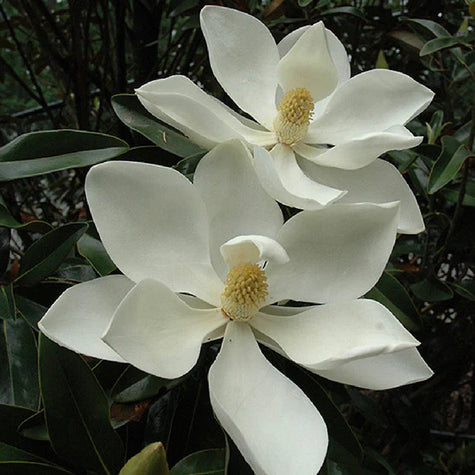
Fresh wreaths, garland, and evergreen cuttings bring seasonal fragrance and natural texture to doors, mantels, stairways, fences, porches, and tables. Mixed greenery can include fir, cedar, pine, juniper, magnolia, and holly.
Use fresh garland around exterior doorways, porch railings, columns, and fences. Indoors, display it away from fireplaces, heating vents, and direct sunlight. Fresh wreaths can be decorated with ribbon, pinecones, berries, ornaments, dried citrus, or outdoor-safe lights.
Evergreen cuttings from garden pruning can also be used in table arrangements, window boxes, and mantel displays. Juniper provides fine texture and blue-green color, magnolia contributes glossy green leaves with warm brown undersides, and holly adds classic seasonal foliage.
Mist indoor greenery lightly when appropriate and inspect it regularly for dryness. Outdoor greenery generally lasts longer because it remains cooler and experiences higher humidity.
Bring Winter Color to the Garden
December gardens do not have to feel empty. Pansies, violas, hellebores, camellias, mahonia, cyclamen, and colorful evergreen foliage can provide interest during the coldest part of the year.
Pansies and violas remain dependable choices for beds, borders, hanging baskets, and containers. Their flowers can recover after temporary cold snaps when plants are healthy and well established.
Hellebores offer evergreen foliage and elegant flowers during winter or early spring. Mahonia adds architectural foliage and clusters of winter flowers that can attract early pollinators during mild weather.
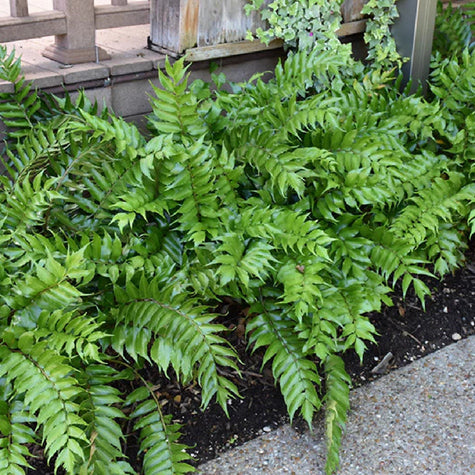
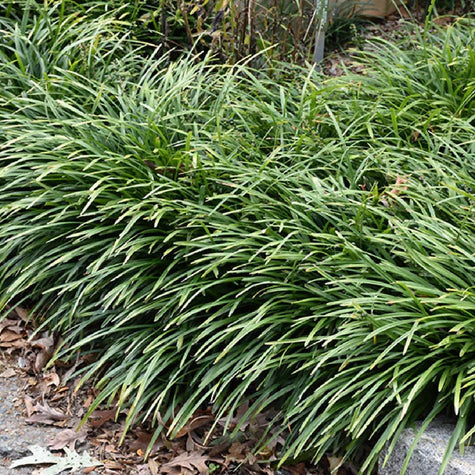
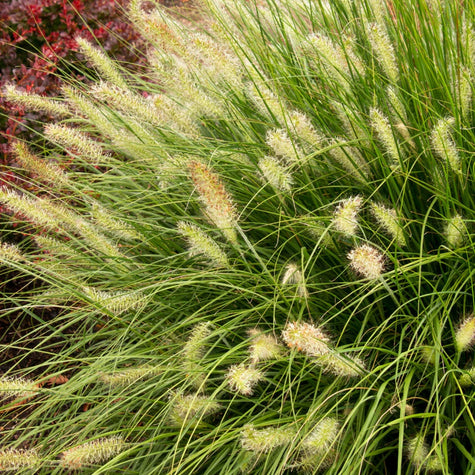
Use contrasting foliage to make winter plantings more dynamic. Carex, autumn fern, heuchera, evergreen shrubs, and ornamental grasses can add movement, texture, and color even when few plants are flowering.
Celebrate Winter-Blooming Camellias
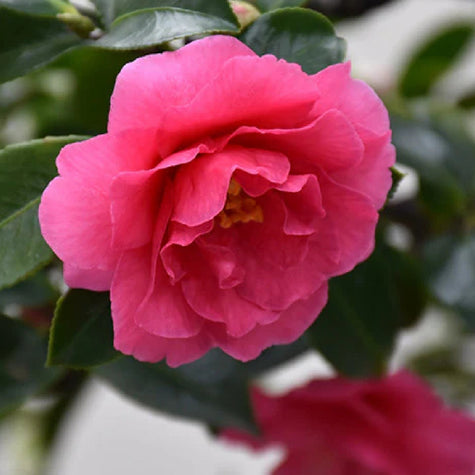
Camellias are signature plants for Southern gardens. Their glossy evergreen foliage provides structure throughout the year, while flowers appear in fall, winter, or early spring depending on the type and variety.
Camellia sasanqua varieties often begin blooming in fall and continue into early winter. Yuletide, Shishigashira, and Autumn Rocket are excellent examples. Camellia japonica generally flowers later, extending camellia season into winter and spring.
Yuletide is especially fitting for December, with bright flowers and golden centers that complement holiday landscapes. Shishigashira offers a spreading habit and abundant blooms, while Autumn Rocket provides a more upright form that can work well in narrower spaces.
Plant camellias in well-drained, acidic soil with morning sun or filtered light and protection from harsh afternoon exposure. Avoid planting too deeply. Keep mulch over the root zone, but away from the trunk.
Pair Camellias with Winter Companions
Camellias become even more effective when combined with complementary plants. Autumn ferns add coppery new growth and soft texture. Carex varieties contribute grassy foliage and movement. Hellebores add low-growing winter flowers beneath larger evergreen shrubs.
Other useful companions may include dwarf hollies, shade-tolerant heuchera, mahonia, azaleas, and spring-flowering bulbs. Layering plants by height creates a fuller design and provides year-round interest.
When selecting companions, match their sunlight, moisture, and soil needs to those of the camellia. A coordinated planting will be easier to maintain and more likely to thrive.
Finish Planting Spring-Flowering Bulbs
There is still time in many Southern gardens to plant daffodils, tulips, hyacinths, and crocus for spring flowers. Bulbs need exposure to cool conditions before blooming, making late fall and early winter an important planting window.
Choose a site with good drainage and enough sunlight during the bulb’s active growth period. Plant bulbs at the depth and spacing recommended on the package, generally with the pointed end facing upward.
Daffodils are dependable and often return for many years. Crocus provide some of the earliest spring flowers. Hyacinths offer rich fragrance, while tulips create bold seasonal color and may be treated as annuals in warmer Southern climates.
Plant bulbs in groups or sweeping clusters rather than single rows for a more natural appearance. They can also be layered beneath pansies and violas in containers or beds.
Continue Planting Trees and Shrubs
December can still be a good time to plant many trees and shrubs when the soil is workable and not frozen or waterlogged. Dormant-season planting allows roots to begin settling into the soil before spring growth begins.
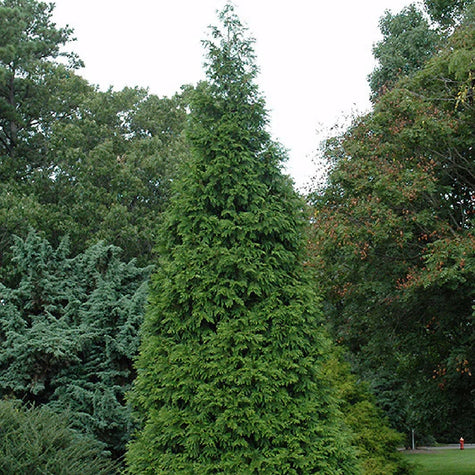
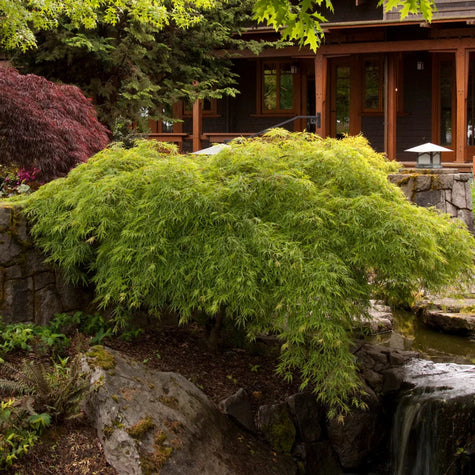
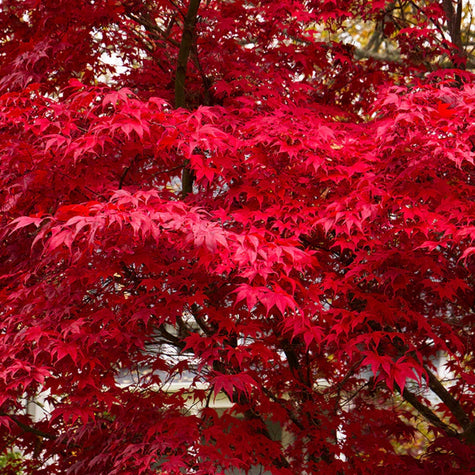
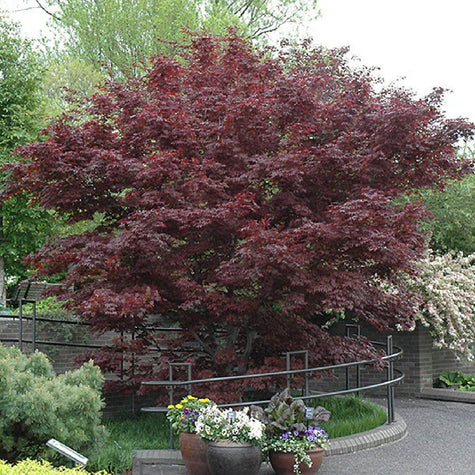
Evergreens such as hollies, camellias, magnolias, junipers, and arborvitae add structure and privacy. Japanese maples contribute graceful branching and seasonal color. Winter daphne adds evergreen foliage and highly fragrant flowers in late winter.
Before planting, evaluate mature plant size, drainage, sunlight, and distance from buildings, walkways, and utility lines. Dig a hole wider than the root ball but no deeper, and keep the top of the root flare at or slightly above the surrounding soil.
Water thoroughly after planting and maintain moisture during dry winter periods. Add mulch over the root zone without piling it against the trunk.
Plant Woody Vines
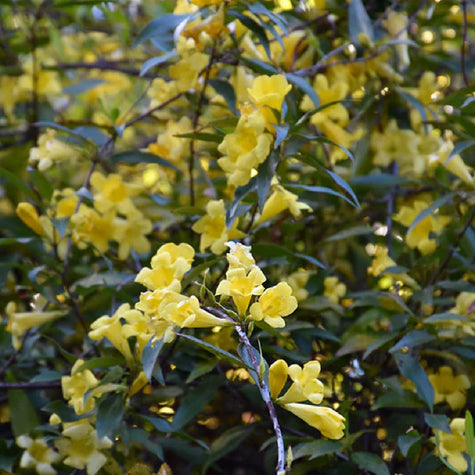
Woody vines can add vertical color and soften pergolas, trellises, arbors, fences, and walls. Carolina jessamine, American wisteria, and crossvine are useful options for Southern landscapes when matched to the right support and location.
Carolina jessamine is an evergreen or semi-evergreen native vine with yellow spring flowers. Crossvine produces trumpet-shaped flowers and can climb using tendrils. American wisteria offers dramatic flower clusters with a more restrained growth habit than some introduced wisteria species.
Provide a durable support from the beginning and consider the mature weight and spread of the vine. Train young stems carefully and prune as needed to maintain the desired structure.
Plant Roses During the Cool Season
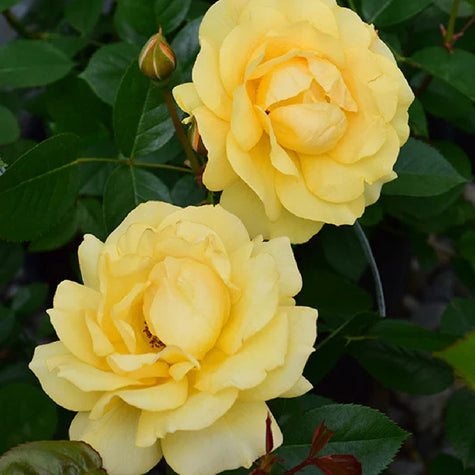
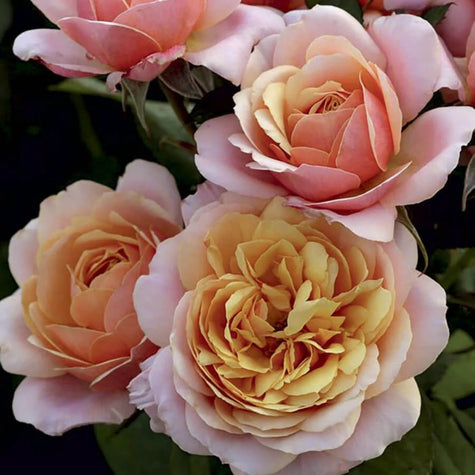
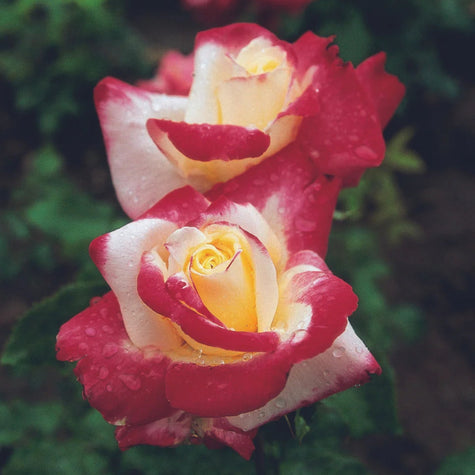
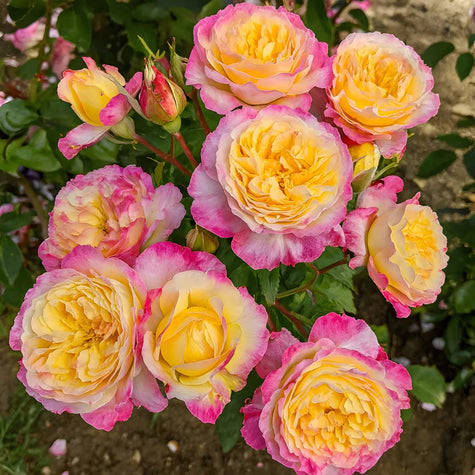
Cool-season planting gives roses time to begin establishing roots before the heat of summer. Varieties such as Iceberg, Ketchup & Mustard, and Perfume Delight offer different flower forms, colors, fragrances, and landscape uses.
Choose a location with generous sunlight, good air circulation, and well-drained soil. Roses generally perform best with at least six hours of direct sun, although afternoon shade may be helpful in especially hot locations.
Prepare a wide planting area, position the root flare correctly, and water deeply after planting. Apply mulch around the root zone while keeping it away from stems.
Avoid heavy fertilization during periods of limited growth. Focus instead on proper planting, consistent moisture, and healthy soil.
Clean Up Dormant Perennials
After the first frost, many herbaceous perennials begin to die back. Remove dry or damaged stems from hostas and other plants that collapse completely. Purple coneflowers, black-eyed Susans, sedum, and ornamental grasses may be left standing when seed heads or winter form remain attractive.
Leaving selected stems can support birds and beneficial insects while adding texture to the winter garden. Remove diseased foliage and dispose of it rather than composting it.
Do not rush to cut back every plant. Some perennials benefit from the extra protection provided by old stems and foliage around their crowns.
Monitor Winter Watering
Plants use less water during winter, but newly planted trees, shrubs, bulbs, annuals, and perennials still require moisture. Evergreen plants continue losing water through their leaves even during cold weather.
Check the soil before watering. If the root zone is dry several inches below the surface, water deeply during the warmest part of the day so moisture can soak in before nighttime temperatures fall.
Containers may dry quickly during windy weather. Check them regularly, especially when they are positioned under porches or rooflines where rainfall cannot reach them.
Avoid keeping soil constantly saturated. Winter root problems are often caused by poor drainage and excessive moisture rather than drought alone.
Protect Plants from Freezing Weather
Prepare frost cloth, plant covers, and protected storage areas before severe cold arrives. Move portable tropical plants, citrus, tender houseplants, and sensitive containers into a garage, enclosed porch, or other sheltered area.
Cover in-ground plants with breathable frost cloth that extends to the ground. This helps capture heat released by the soil. Avoid allowing plastic to rest directly against foliage.
Group containers together near a protected wall and insulate exposed pots when possible. Remove coverings during warmer daytime conditions so plants receive light and air circulation.
Water dry soil before a freeze when appropriate, since moist soil generally retains more heat than dry soil. Avoid soaking foliage immediately before freezing temperatures.
Cold-Weather Reminder
Plants growing in containers are more vulnerable to cold than the same plants growing in the ground because their roots are exposed to low temperatures from every direction.
December Lawn Care
Lawn maintenance slows considerably in December. Warm-season grasses such as Bermuda, zoysia, centipede, and St. Augustine are typically dormant or nearly dormant. Avoid fertilizing these lawns during winter.
Fescue may remain green and continue growing slowly. Mow only as needed with a sharp blade, and avoid cutting when the lawn is frozen, saturated, or covered with frost.
Remove fallen leaves before they form a thick layer over the lawn. Light leaf accumulation may be mulch-mowed when dry, but heavy layers can block sunlight, trap moisture, and encourage disease.
Winter weeds may appear during mild periods. A cool-weather broadleaf weed control may be appropriate for certain established lawns, but always identify the weed, confirm turf compatibility, and follow all product directions. Some weeds may require follow-up treatment.
Otherwise, December is a good time to let the lawn rest while maintaining clean edges, clear drainage areas, and healthy soil moisture.
Care for Holiday Houseplants
Poinsettias, Christmas cactus, orchids, and decorative indoor gardens bring living color to holiday spaces. Their displays last longest when plants receive appropriate light, temperature, and water.
Poinsettias
Place poinsettias in bright, indirect light away from exterior doors, fireplaces, heating vents, and cold windows. Water when the soil surface begins to feel dry, then allow excess water to drain fully.
Remove decorative sleeves or punch drainage holes before watering so roots do not sit in standing water. Premature leaf drop is often related to temperature stress, low light, or improper watering.
Christmas Cactus
Christmas cactus prefers bright, indirect light and evenly moist, well-drained soil while flowering. Keep it away from sudden temperature changes and allow the upper soil surface to dry slightly between waterings.
Orchids
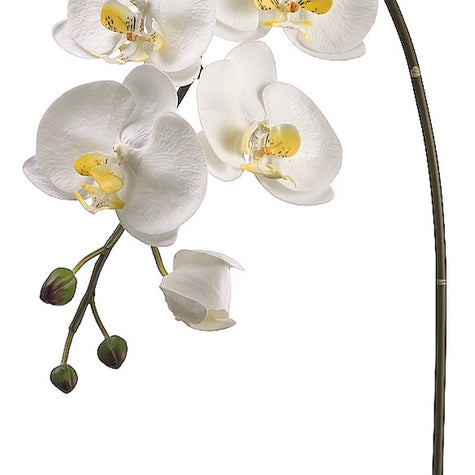
Phalaenopsis orchids make elegant gifts and long-lasting displays. Provide bright, indirect light, good drainage, and careful watering. Do not allow water to collect in the crown or decorative container.
Grow Amaryllis and Paperwhites
Amaryllis and paperwhites are popular indoor bulbs because they can bloom without an outdoor chilling period. They are useful for holiday displays, gifts, and winter gardening projects.
Amaryllis
Plant amaryllis in a sturdy container with the upper portion of the bulb above the soil. Water lightly until growth begins, then increase watering as the flower stalk and leaves develop. Rotate the container regularly to encourage straight growth.
Paperwhites
Paperwhites can be grown in potting mix, stones, or prepared bulb kits. Place them in bright light after shoots appear. Cooler indoor temperatures can help slow growth and extend flowering.
For a longer season of bloom, plant several containers at different times rather than planting every bulb at once.
Choose Thoughtful Gifts for Gardeners
Gardeners appreciate useful, inspiring gifts that support future projects. Bulb kits, quality gloves, garden hoses, seeds, birdhouses, indoor plants, decorative containers, and gardening tools can all make thoughtful choices.
Living gifts such as camellias, roses, orchids, poinsettias, and houseplants continue providing enjoyment after the holidays. Seeds and bulb kits can encourage recipients to look forward to spring.
Garden center gift cards are useful when the recipient enjoys selecting their own plants, pottery, tools, or landscape materials. They also work well for someone planning a larger outdoor project.
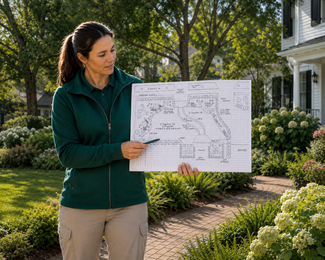
Landscape Design can be a meaningful gift for homeowners who want to transform an outdoor space but need help choosing plants, defining a style, or developing a practical plan.
Support Birds Through Winter
Birds benefit from dependable food, water, and shelter during cold weather. Fill feeders with quality seed blends that include sunflower seed, and consider thistle seed for finches.
Suet provides concentrated energy during winter. Place feeders near shrubs or trees that offer quick shelter, but far enough away that squirrels and predators cannot easily reach them.
Keep feeders clean and remove wet or moldy seed. Continue providing fresh water in birdbaths, breaking and removing ice as needed.
Birdhouses and roosting boxes may provide shelter from wind and cold. Evergreen shrubs, native berry-producing plants, and standing perennial seed heads also support wildlife naturally.
Plan Your Landscape for the New Year
Winter reveals the underlying structure of the landscape. With fewer leaves and flowers competing for attention, it becomes easier to see where privacy, shade, screening, color, pathways, or focal points are missing.
Use December to evaluate views from inside the home, identify drainage problems, measure planting areas, and create a list of priorities. Consider future trees, evergreen screening, foundation beds, pollinator gardens, outdoor gathering areas, or improved entryways.
Planning now allows time to refine ideas and prepare for winter or spring installation. It can also help ensure plants are selected for their mature size, sunlight needs, and long-term purpose.
Give Your Landscape a Fresh Start
Pike’s Landscape Design service can help turn your goals into a personalized plan based on your home, lifestyle, local growing conditions, and vision for the space.
Explore Landscape DesignDecember Garden Checklist
- Select a fresh Christmas tree and place it in water promptly.
- Check the Christmas tree stand water level every day.
- Decorate with fresh wreaths, garland, and evergreen cuttings.
- Plant remaining daffodils, tulips, hyacinths, and crocus.
- Add pansies, violas, hellebores, and camellias for winter color.
- Continue planting trees and shrubs when soil conditions allow.
- Plant woody vines on strong supports.
- Plant roses in sunny, well-drained locations.
- Remove diseased or collapsed perennial foliage.
- Leave selected seed heads and ornamental grasses for wildlife.
- Monitor moisture around new plantings and containers.
- Prepare frost cloth and protected areas for tender plants.
- Remove heavy leaf accumulation from lawns.
- Avoid fertilizing dormant warm-season turf.
- Inspect cool-season lawns for active winter weeds.
- Keep poinsettias and holiday plants away from drafts and heat.
- Plant or care for amaryllis and paperwhite bulbs.
- Clean and refill bird feeders and birdbaths.
- Evaluate your landscape and plan future improvements.
Frequently Asked Questions
Find answers to common questions about December gardening, Christmas tree care, winter flowers, holiday plants, lawn care, and cold-weather preparation in Georgia and the Carolinas.
Is December still a good time to plant trees?
Yes. Many trees and shrubs can be planted in December when the soil is workable and not frozen or saturated. Cool-season planting allows roots to begin establishing before spring growth.
How often should I water a fresh Christmas tree?
Check the stand at least daily and more often during the first few days. Never allow the water level to fall below the bottom of the trunk.
Can I still plant spring bulbs in December?
In many Southern gardens, daffodils, tulips, hyacinths, and crocus can still be planted in December as long as the soil is workable and drains well.
Why are my poinsettia leaves dropping?
Leaf drop may result from cold drafts, hot air, low light, overwatering, underwatering, or sudden temperature changes. Keep poinsettias in bright, indirect light with stable indoor temperatures.
Can I plant camellias during winter?
Yes. Winter can be a good planting season for camellias when the soil is workable. Plant them in well-drained acidic soil and water during dry periods while roots establish.
What flowers provide color in December?
Pansies, violas, hellebores, camellias, mahonia, and cyclamen can provide winter color depending on local weather and site conditions.
Should I fertilize my lawn in December?
Avoid fertilizing dormant warm-season grasses. Established fescue may have different needs, so follow soil-test recommendations and products labeled for your specific grass and season.
How do I protect plants during a freeze?
Move portable plants to shelter and cover sensitive in-ground plants with breathable frost cloth extending to the ground. Remove covers when temperatures rise.
How can I make fresh garland last longer?
Keep fresh garland away from direct heat and sunlight, mist it lightly when appropriate, and use it outdoors or in cooler indoor locations whenever possible.
Is winter a good time to plan a landscape project?
Yes. Winter makes it easier to see the landscape’s structure, identify bare areas, and plan improvements before the spring growing season begins.
Celebrate the Season and Prepare for Spring
December brings together holiday traditions, winter gardening, and anticipation for the year ahead. Caring for a fresh Christmas tree, decorating with natural greenery, planting winter color, protecting tender plants, and planning future landscape improvements can make the season both festive and productive.
