















February Gardening Guide: Prepare Your Garden for Early Spring
February is a month of transition in gardens throughout Georgia and the Carolinas. Winter flowers are still providing color, early spring shrubs are beginning to bloom, and gardeners can start preparing lawns, vegetable beds, roses, fruit trees, and ornamental plantings for the growing season ahead.
This is an important month for applying crabgrass preventer, pruning the right plants, feeding fescue lawns, planting roses and fruit trees, preparing cool-season vegetable gardens, caring for houseplants, and supporting backyard birds. A few timely tasks now can help prevent weeds, improve plant health, and create a stronger start to spring.
What’s Taking Root This Month
Your February priorities at a glance.
- Apply crabgrass preventer before warm-season weeds begin germinating.
- Fertilize established fescue lawns according to soil and label recommendations.
- Cut back liriope before new spring growth appears.
- Plant roses, fruit trees, blueberries, and other dormant plants.
- Prune roses, crape myrtles, ornamental grasses, and selected deciduous shrubs.
- Wait to prune spring-flowering shrubs until after they finish blooming.
- Use dormant oil on appropriate trees and shrubs before active growth begins.
- Prepare vegetable beds and plant cool-season crops.
- Plan and plant summer-flowering bulbs as they become available.
- Refresh beds and containers with pansies, violas, primrose, hellebores, and early spring perennials.
- Adjust houseplant watering for lower winter light.
- Clean birdhouses and keep feeders and birdbaths ready for spring activity.
What You’ll Find in This February Garden Guide
Why February Matters in the Garden
February bridges winter and spring. Soil temperatures begin to change, days gradually lengthen, and many plants prepare to break dormancy. That makes timing especially important.
Tasks completed too late, such as applying pre-emergent weed control or pruning certain dormant plants, may be less effective once active growth begins. Other tasks, such as pruning spring-flowering shrubs, should be delayed to avoid removing flower buds.
Use February to inspect the lawn and landscape, clean planting beds, refresh mulch, evaluate winter damage, and create a realistic plan for spring projects. Early preparation can make the busiest gardening months easier to manage.
Apply Crabgrass Preventer
Crabgrass is a warm-season annual weed that germinates from seed as soil temperatures rise. A pre-emergent crabgrass preventer creates a barrier near the soil surface that helps stop germinating seedlings from becoming established.
Timing is critical. In many areas of Georgia and the Carolinas, the first application is made in late winter before consistent warm weather arrives. Local conditions vary, so soil temperature and seasonal weather are more useful than a fixed calendar date.
Apply the product evenly and follow all label directions, including watering requirements. Avoid disturbing the soil after application because digging or aggressive raking can break the protective barrier.
Pre-emergent products do not control weeds that are already growing. Existing weeds may require a separately labeled post-emergent treatment.
Pre-Emergent Reminder
Do not use a standard crabgrass preventer in areas where you plan to sow grass seed unless the product label specifically allows seeding. Pre-emergents can prevent desirable grass seed from germinating too.
Care for Fescue Lawns
Tall fescue remains green through much of the cool season and may benefit from a properly timed late-winter feeding. Use a fertilizer labeled for fescue and follow soil-test recommendations whenever possible.
Apply fertilizer evenly and avoid overapplication. Too much nitrogen can encourage excessive top growth, increase mowing needs, and make the lawn more vulnerable to stress and disease as temperatures rise.
Remove fallen leaves and debris before fertilizing so nutrients can reach the soil evenly. Mow only when necessary, and avoid mowing frozen, frost-covered, or saturated turf.
Warm-season grasses such as Bermuda, zoysia, centipede, and St. Augustine are generally dormant in February and should not be fertilized until they are actively growing.
Cut Back Liriope Before New Growth Appears
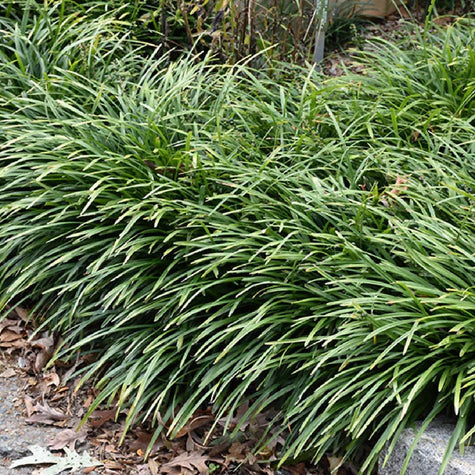
Liriope, often called monkey grass, may look worn or brown by late winter. Cutting back the old foliage before new shoots emerge helps refresh the planting and prevents damaged leaves from mixing with fresh spring growth.
Set the mower or trimmer high enough to avoid damaging the crown of the plant. For smaller plantings, hand pruners or hedge shears provide more control.
Complete this task before new green shoots become prominent. Once fresh growth appears, mowing or shearing can leave cut tips visible for much of the season.
Plant and Care for Roses
February is an excellent month to plant roses in Southern gardens. Cool temperatures allow roots to begin establishing before spring growth accelerates.
Choose a location with at least six hours of direct sunlight, good air circulation, and well-drained soil. Roses perform poorly in areas where water remains around the roots.
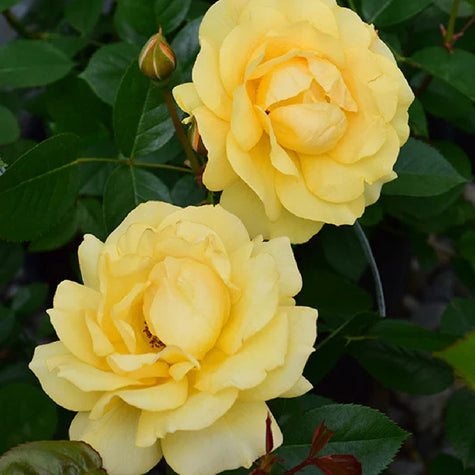
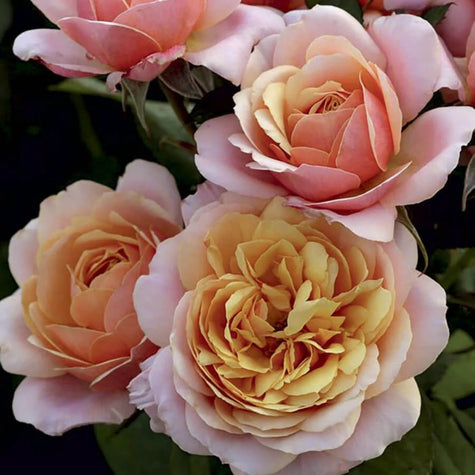
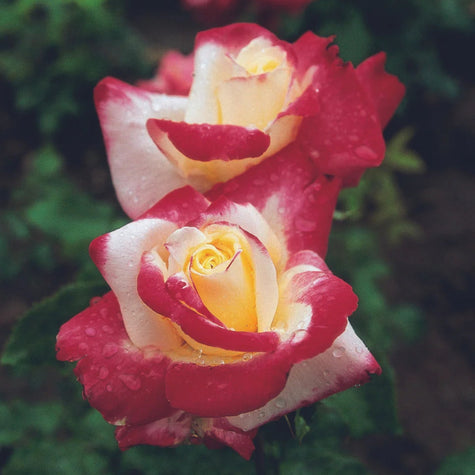
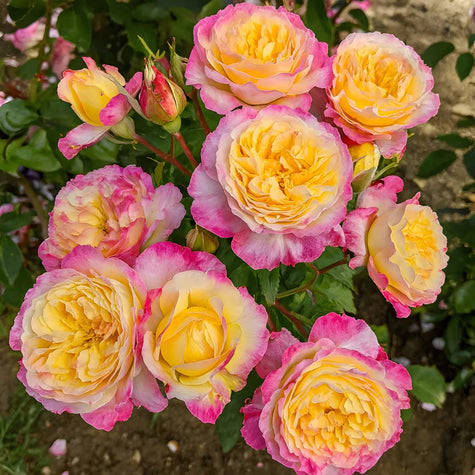
Hybrid tea, floribunda, climbing, shrub, and landscape roses each offer different growth habits and uses. Varieties such as Mister Lincoln, Queen Elizabeth, Love, Silver Lining, Iceberg, and Ketchup & Mustard provide a range of colors, fragrances, and flower forms.
Prepare a wide planting hole, position the plant at the proper depth, and water thoroughly after planting. Use a quality planting mix or soil amendment only as appropriate for the site, and avoid creating a sharply different soil pocket that discourages roots from growing outward.
Established repeat-blooming roses can often be pruned in late winter. Remove dead, damaged, diseased, crossing, and weak canes first, then shape the plant to improve airflow and encourage outward growth.
Plant Fragrant Winter Daphne
Winter daphne is valued for intensely fragrant flowers that often appear in late winter. Plant it near an entrance, walkway, patio, or frequently used path where the scent can be enjoyed.
Daphne prefers excellent drainage and generally performs best in morning sun or filtered light with protection from harsh afternoon exposure. Avoid planting it too deeply or in consistently wet soil.
Choose the location carefully because established daphne plants often dislike being moved. A well-drained raised bed or slightly elevated planting area may help in heavy soils.
Add Late-Winter and Early-Spring Color
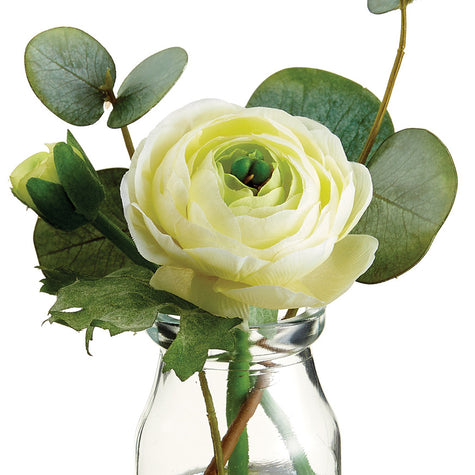
February gardens can be filled with flowers and colorful foliage. Pansies, violas, primrose, creeping phlox, dianthus, snapdragons, ranunculus, poppies, and hellebores bridge the gap between winter and spring.
Pansies and violas remain dependable for beds and containers. Primrose provides bright clusters of color in protected areas. Dianthus adds fragrance and finely textured foliage, while creeping phlox creates a spreading carpet of flowers in sunny, well-drained sites.
Ranunculus and poppies bring bold, layered flowers to seasonal containers and garden displays. Snapdragons add vertical color and perform well during cool weather.
Combine flowering plants with foliage plants such as heuchera, euphorbia, ferns, and evergreen shrubs. Contrasting texture keeps containers and beds attractive even when individual plants pause between bloom cycles.
Build a Winter Shade Garden
Hellebores are among the most valuable perennials for winter and early spring shade gardens. Their nodding or outward-facing flowers appear in a range of colors, and their evergreen foliage provides year-round structure.
Varieties such as Ivory Prince, Anna’s Red, Pink Frost, Ice N’ Roses Barolo, and Frostkiss selections demonstrate the broad range of flower color and foliage available.
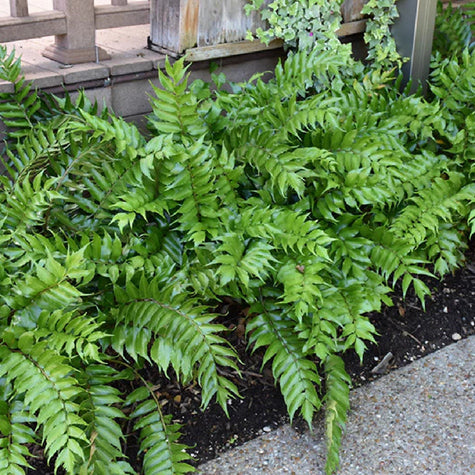
Pair hellebores with heuchera, autumn fern, holly fern, anise, mahonia, pieris, and camellias. These plants create layered shade plantings with evergreen structure, flowers, and colorful foliage.
Most hellebores prefer well-drained soil enriched with organic matter and protection from intense afternoon sun. Avoid burying the crown too deeply.
Plant Fruit Trees and Blueberries
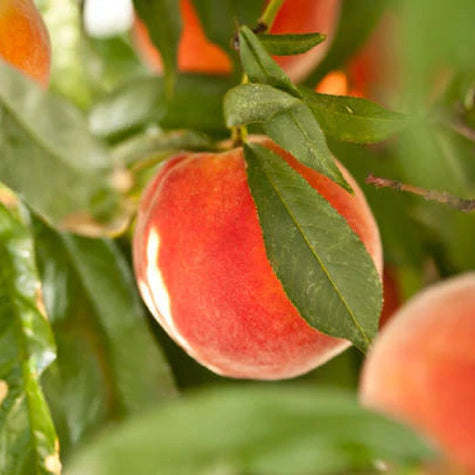
February remains a good month to plant apples, peaches, pears, citrus, blueberries, strawberries, and other edible plants. Planting before spring growth gives roots time to settle into the soil.
Choose fruit varieties suited to local chill-hour requirements. Apples and pears may require a compatible pollinating partner, while peaches are often self-fruitful. Always confirm the needs of the specific variety.
Rabbiteye blueberries such as Premier, Climax, Tifblue, and Woodard perform well in many Southern landscapes. Planting more than one compatible variety can improve pollination and fruit set.
Blueberries prefer acidic, well-drained soil. Avoid adding lime around them unless a soil test specifically indicates it is needed. Use an acid-forming fertilizer labeled for acid-loving plants when feeding becomes appropriate.
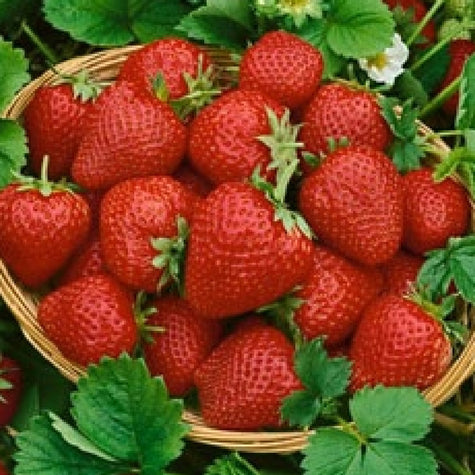
Strawberries can be planted in beds, containers, towers, or hanging baskets. They need generous sunlight, good drainage, and consistent moisture.
Prune the Right Plants
February is a useful month for pruning many dormant plants, but the timing depends on when and where the plant forms flower buds.
Plants Commonly Pruned in Late Winter
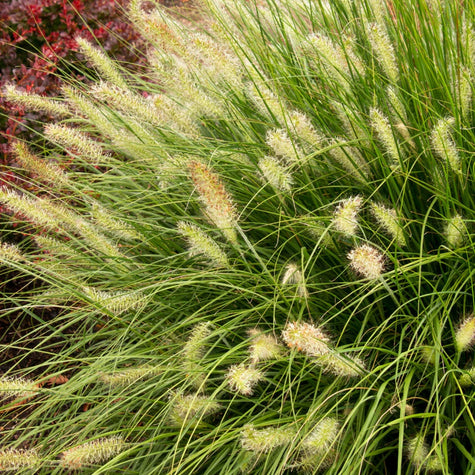
Roses, crape myrtles, ornamental grasses, beautyberry, abelia, nandina, and selected deciduous shrubs can often be pruned before spring growth begins.
Remove dead, damaged, diseased, rubbing, and poorly positioned branches first. Make clean cuts and preserve the plant’s natural form.
Pruning Crape Myrtles
Crape myrtles should be selectively pruned rather than topped. Remove basal suckers, crossing branches, dead wood, and small interior growth that crowds the canopy. Avoid cutting all major limbs back to short stubs.
Plants to Prune After Flowering
Wait to prune spring-flowering plants such as forsythia, flowering quince, azaleas, many camellias, dogwoods, and flowering cherries until after they bloom. These plants formed their flower buds during the previous growing season.
Hydrangea Reminder
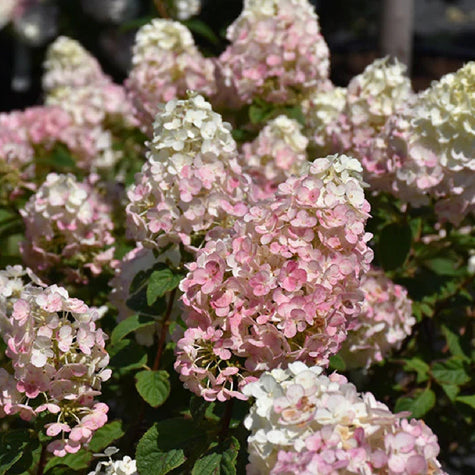
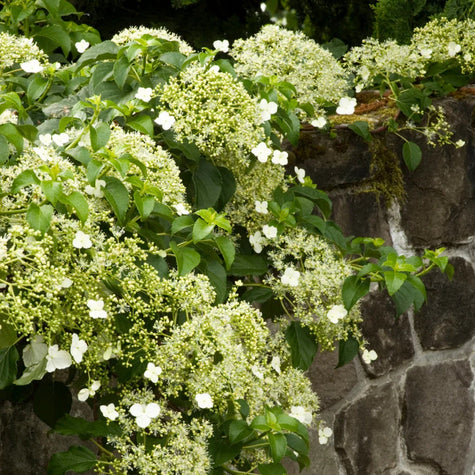
Smooth and panicle hydrangeas bloom on new growth and can often be pruned in late winter. Bigleaf and oakleaf hydrangeas commonly bloom on old wood and should not be pruned the same way.
Use Dormant Oil Correctly
Dormant horticultural oil can help manage certain overwintering insects and eggs on fruit trees, ornamental trees, and shrubs. It works by coating susceptible pests rather than by remaining active for a long period.
Apply only to plants and pests listed on the product label. Coverage is important, so branches, twigs, and bark surfaces generally need to be treated thoroughly.
Do not spray during freezing weather, immediately before a freeze, during windy conditions, or when plants are drought-stressed. Some plants are sensitive to oil treatments, and timing varies by crop.
Once buds begin opening, a dormant-rate application may no longer be appropriate. Always follow the specific seasonal rate and temperature precautions printed on the label.
Prepare the Vegetable Garden
Late February is a good time to prepare beds and begin planting selected cool-season vegetables and herbs. Start by removing weeds, loosening compacted soil, and adding finished compost or composted organic matter.
Apply lime only when a soil test indicates the soil is too acidic for the intended crops. Adding lime without testing can raise pH too much and make nutrients less available.
English peas, onions, asparagus crowns, potatoes, and selected cool-season greens may be planted as local conditions allow. Herbs such as rosemary, thyme, parsley, and mint can also be added to containers or garden beds.
Place taller crops where they will not shade smaller plants. Rotate crop families when possible to reduce recurring pest and disease problems.
Plan Summer-Flowering Bulbs
As daffodils and other spring bulbs begin emerging, February is a good time to plan summer color. Dahlias, gladiolus, cannas, caladiums, and elephant ears offer different flower forms, foliage colors, and heights.
Dahlias and gladiolus prefer generous sun and well-drained soil. Caladiums are valued for colorful foliage and often perform well in filtered light or partial shade. Cannas and elephant ears create a bold tropical effect and need adequate space.
Wait until the soil and air are warm enough for tender bulbs and tubers before planting outdoors. Some can be started in containers in a protected area to gain an early start.
Potatoes, onions, and asparagus are edible crops rather than ornamental summer bulbs, but they also become available during the late-winter planting season.
Plant Early-Spring Trees and Shrubs
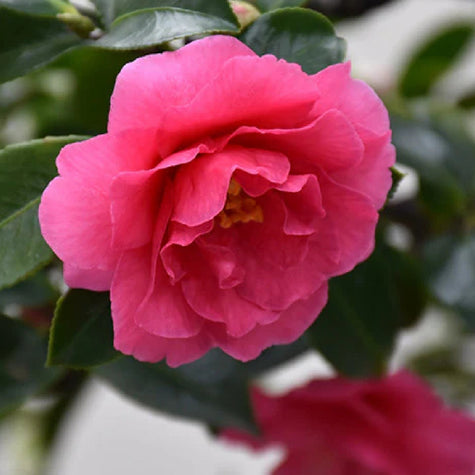
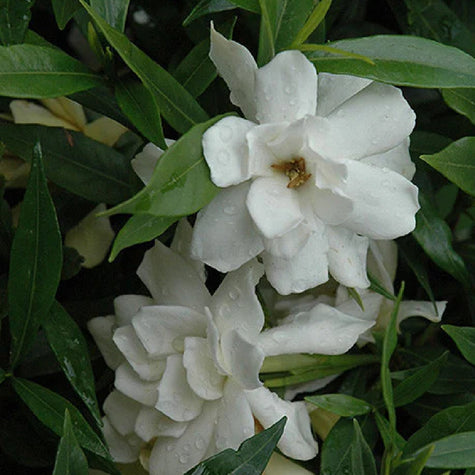
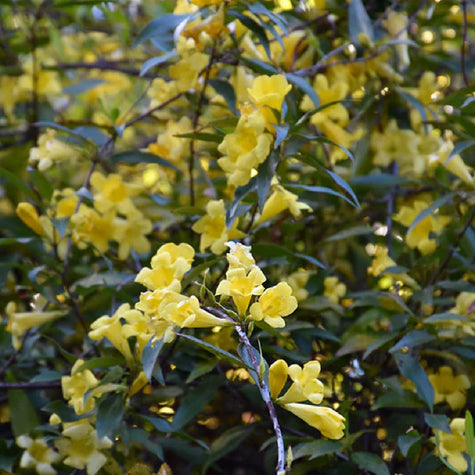
Forsythia, flowering quince, camellia japonica, dogwoods, flowering cherries, gardenias, viburnums, Carolina jessamine, edgeworthia, and citrus can add flowers, fragrance, evergreen structure, or edible interest.
Forsythia and flowering quince provide vivid early-spring color. Dogwoods and flowering cherries become focal-point trees, while Carolina jessamine can climb fences, trellises, and arbors.
Edgeworthia produces fragrant winter flowers on bare branches and can become a distinctive specimen in a protected woodland-style garden. Viburnums offer flowers, berries, fragrance, and structure depending on the variety.
Plant according to mature size rather than the size of the container. Water deeply after planting and mulch the root zone without covering the trunk or crown.
Care for Houseplants in February
Houseplants may still grow slowly in February because indoor light remains limited. Check the potting mix before watering rather than following a fixed schedule.
Yellowing leaves can be a sign of overwatering, although other causes are possible. Make sure containers drain freely and do not allow water to remain in decorative saucers.
Rotate plants regularly so they do not lean heavily toward the light. Keep foliage away from cold windows, exterior doors, fireplaces, and heating vents.
Match Plants to Light
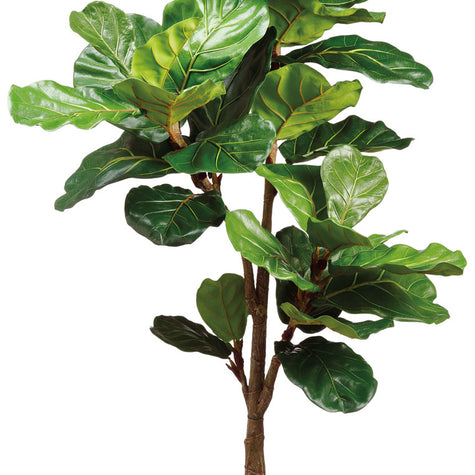
Ficus, palms, bird of paradise, and many flowering houseplants prefer bright light. Philodendrons, dracaenas, and marantas generally perform in medium indirect light. Aglaonema, ZZ plant, and scindapsus can adapt to lower-light areas.
Pet-Friendly Choices
Money tree, calathea, and pilea are commonly selected for homes with pets, but pet owners should verify the safety of every specific plant and cultivar before bringing it into the home.
Collector Plants
Distinctive plants such as alocasia, Pink Princess philodendron, and Painted Lady philodendron appeal to collectors because of their unusual leaf colors and patterns. These plants often need stable warmth, humidity, and bright indirect light.
Bring Flowering Branches Indoors
Branches from forsythia, flowering quince, and spirea can be cut and brought indoors to encourage early bloom. This process is often called forcing.
Select branches with plump flower buds and cut them on a mild day. Recut the stems, place them in clean water, and keep them in a cool, bright location away from direct heat.
Change the water regularly and trim stem ends as needed. Flowers may open gradually over several days or weeks depending on the plant and its stage of dormancy.
Prepare for Nesting Birds
February is a good time to clean birdhouses before nesting activity increases. Remove old nesting material, brush out debris, and inspect each house for damage.
Avoid harsh chemical cleaners unless the birdhouse manufacturer recommends them. Make sure drainage and ventilation openings remain clear.
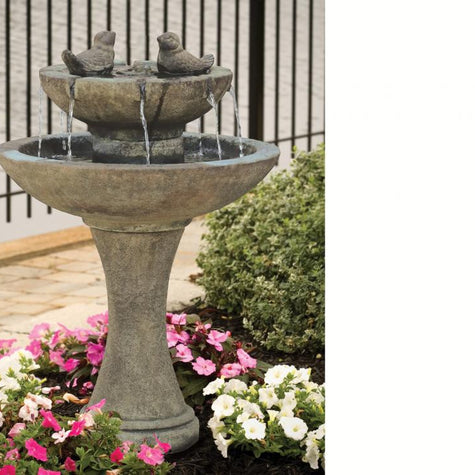
Continue filling feeders with quality seed and suet. Keep birdbaths clean and filled with fresh water, especially when natural water sources are frozen or unreliable.
Native and evergreen shelter plants provide protection from wind and predators. Hollies, camellias, dogwoods, viburnums, and dense evergreen shrubs can support birds throughout the year.
Plan Your Spring Landscape
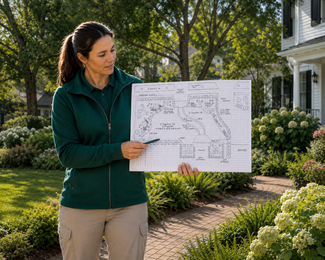
February is an ideal time to plan improvements before spring demand and plant growth accelerate. Walk the property and identify areas needing privacy, shade, drainage improvements, seasonal color, easier maintenance, or better outdoor function.
Consider how patios, pathways, lawn areas, trees, shrubs, and planting beds connect. A thoughtful plan helps avoid overcrowding and ensures plants are selected for their mature size and growing requirements.
Starting early creates time to refine the design, select materials, prepare the site, and schedule installation for the appropriate season.
Get Your Garden Ready for Spring
A Pike landscape designer can help create a personalized plan based on your home, lifestyle, goals, and local growing conditions.
Explore Landscape DesignFebruary Garden Checklist
- Apply crabgrass preventer before weed seeds germinate.
- Confirm seeding restrictions before using pre-emergent products.
- Fertilize established fescue lawns as appropriate.
- Avoid fertilizing dormant warm-season lawns.
- Cut back liriope before new shoots appear.
- Plant roses in sunny, well-drained locations.
- Prune established repeat-blooming roses.
- Plant winter daphne near a walkway or entrance.
- Add pansies, violas, primrose, hellebores, and early-spring flowers.
- Plant fruit trees, blueberries, and strawberries.
- Confirm fruit tree chill-hour and pollination needs.
- Prune ornamental grasses, crape myrtles, and selected deciduous shrubs.
- Wait to prune spring-flowering trees and shrubs.
- Apply dormant oil only under suitable weather conditions.
- Prepare vegetable beds with compost and soil-test guidance.
- Plant selected cool-season vegetables and herbs.
- Plan summer bulbs and tropical foliage plants.
- Adjust houseplant watering for winter light levels.
- Rotate houseplants for balanced growth.
- Force flowering branches indoors.
- Clean birdhouses before nesting season.
- Keep feeders and birdbaths clean and filled.
- Begin planning spring landscape projects.
Frequently Asked Questions
Find answers to common questions about February lawn care, pruning, roses, fruit trees, winter flowers, vegetable gardening, houseplants, and bird care in Georgia and the Carolinas.
When should I apply crabgrass preventer?
Apply it before crabgrass seeds begin germinating, usually as soil temperatures begin warming in late winter. Timing varies by location and weather.
Should I fertilize my lawn in February?
Established fescue may benefit from an appropriate late-winter feeding. Dormant warm-season grasses should not be fertilized until active growth resumes.
Can I plant roses in February?
Yes. February is an excellent time to plant roses because cool weather supports root establishment before spring and summer growth.
Which plants should I prune in February?
Roses, ornamental grasses, crape myrtles, beautyberry, and selected summer-blooming deciduous shrubs can often be pruned in late winter.
What should I avoid pruning before spring?
Wait to prune forsythia, flowering quince, azaleas, dogwoods, flowering cherries, and many spring-blooming camellias until after flowering.
Can fruit trees and blueberries be planted now?
Yes. February is a good planting month when soil conditions are workable. Choose varieties suited to local chill hours, pollination requirements, and soil conditions.
What vegetables can I plant in late February?
English peas, onions, potatoes, asparagus crowns, and selected cool-season greens may be planted as local weather and soil conditions allow.
When should liriope be cut back?
Cut back old liriope foliage in late winter before fresh green shoots become prominent.
Why are my houseplant leaves turning yellow?
Overwatering is a common cause, especially during low-light winter conditions, but yellow leaves can also result from poor drainage, pests, temperature stress, or natural aging.
When should I clean out birdhouses?
Clean birdhouses in late winter before nesting activity begins. Remove old material and inspect the house for damage, drainage, and ventilation.
Build Momentum for Spring
February is one of the most important preparation months in the Southern garden. Applying pre-emergent weed control, caring for fescue, planting roses and fruit trees, pruning carefully, preparing vegetable beds, and adding early color can create a smooth transition into spring.
