






January Gardening Guide: Refresh Your Garden for a Beautiful Year Ahead
January is a season of fresh starts, thoughtful planning, and important winter garden care throughout Georgia and the Carolinas. Cooler temperatures make it easier to plant trees, shrubs, roses, fruit trees, and berries while giving roots time to begin establishing before the heat of summer arrives.
This is also an ideal month to prune the right plants, add winter color, protect tender plants from freezing temperatures, refresh indoor spaces with houseplants, support backyard birds, and begin planning landscape improvements for spring. With a few well-timed tasks, January can set the stage for a healthier and more beautiful garden throughout the year.
What’s Taking Root This Month
Your January priorities at a glance.
- Plant roses, fruit trees, berries, trees, and shrubs while temperatures are cool.
- Add winter color with pansies, violas, primrose, hellebores, camellias, and colorful foliage.
- Prune roses and selected summer-blooming shrubs, but wait to prune spring-flowering plants.
- Protect tender plants and containers when freezing weather is expected.
- Remove fallen leaves and debris from lawns and planting beds.
- Refresh indoor spaces with houseplants suited to your available light.
- Rotate houseplants and repot plants that have become rootbound.
- Clean and maintain lawn equipment before spring.
- Provide birds with seed, suet, shelter, and fresh water.
- Schedule landscape planning early so projects are ready for spring planting.
What You’ll Find in This January Garden Guide
Why January Is a Great Planting Month
January may feel quiet in the garden, but it is one of the most useful months for planting many trees, shrubs, roses, fruit trees, and berries. Cooler air temperatures reduce stress on plants while the soil often remains workable enough for roots to begin growing.
Planting during winter gives roots a head start before spring growth and summer heat arrive. Dormant or slow-growing plants can direct more energy toward root establishment rather than producing flowers, leaves, or new stems.
Before planting, evaluate sunlight, drainage, mature plant size, and spacing. Dig a hole wider than the root ball but no deeper, and position the root flare at or slightly above the surrounding soil. Water thoroughly after planting and apply mulch over the root zone without piling it against the trunk or stems.
Newly planted trees and shrubs still need water during dry winter periods. Check soil moisture regularly, especially for plants installed beneath rooflines or in windy locations.
Begin Rose Season
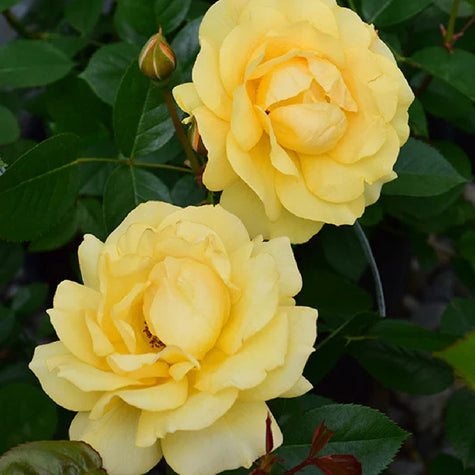
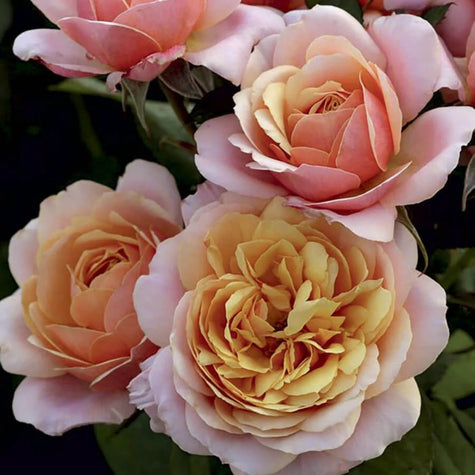
January marks the beginning of rose season in many Southern gardens. Planting roses while temperatures are cool allows roots to establish before warm weather encourages rapid top growth.
Winter also brings an excellent opportunity to evaluate the rose garden, improve soil, replace underperforming plants, and add varieties with new colors, fragrances, or growth habits.
Choose a location receiving at least six hours of direct sunlight with good air circulation and well-drained soil. Avoid placing roses where water collects or where large trees create heavy root competition.
Prepare the planting area thoroughly and water deeply after planting. Mulch helps moderate soil temperature, retain moisture, and reduce weeds, but it should not touch the rose canes.
Choose the Right Rose
Different rose types offer different forms, flower habits, and landscape uses. Selecting the right type can make long-term care easier and help the plant fit naturally into the garden.
Hybrid Tea Roses
Hybrid tea roses are known for large, high-centered flowers carried on long stems. They are popular for cutting gardens and formal beds. Mister Lincoln and Peace are classic examples prized for their flower form, color, or fragrance.
Floribunda Roses
Floribunda roses produce clusters of flowers over a long season. Their rounded growth habit works well in borders, mass plantings, and mixed beds. Iceberg and Julia Child are popular choices for abundant bloom.
Climbing Roses
Climbing roses can be trained along fences, arbors, trellises, and pergolas. America and New Dawn offer vertical color when supported and tied appropriately.
Shrub and Landscape Roses
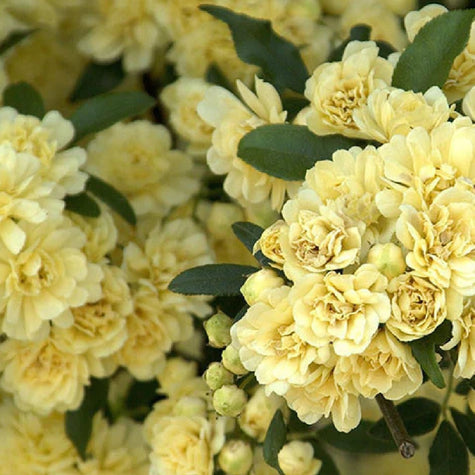
Shrub roses and landscape roses are useful for low-maintenance color, foundation plantings, and larger beds. Knock Out roses and Peggy Martin rose can fill different roles depending on available space and desired form.
Distinctive Color Choices
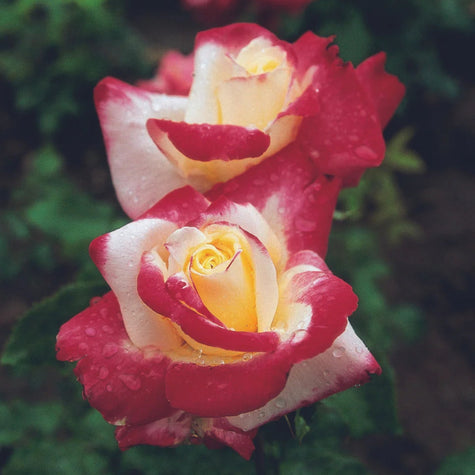
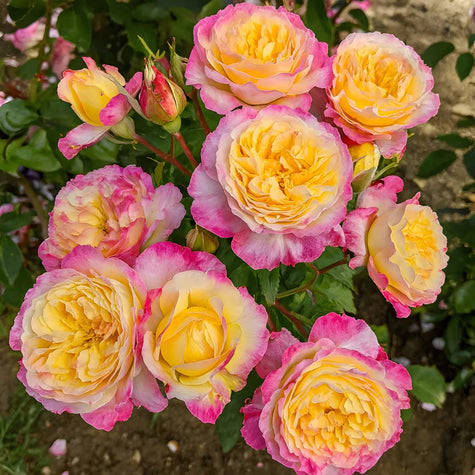
Varieties such as Ketchup & Mustard and Silver Lining bring unusual color combinations or tones to the garden. Combining several flower colors can create an informal cottage effect, while repeating one variety creates a more unified design.
Prune Roses Correctly
Late winter pruning helps many established roses produce healthy new growth and improves air circulation. Use clean, sharp bypass pruners and wear sturdy gloves.
Begin by removing dead, damaged, diseased, or crossing canes. Then thin crowded growth and remove weak stems that are unlikely to support strong flowers. Make cuts just above outward-facing buds to encourage an open shape.
Pruning needs vary by rose type. Hybrid teas and many floribundas often benefit from stronger annual pruning, while climbers and certain old-fashioned roses may require lighter, more selective care. Roses that bloom primarily on old wood should not be treated exactly like repeat-blooming modern varieties.
Rose Pruning Tip
Before making major cuts, identify the rose type and its flowering habit. When uncertain, remove only dead, diseased, damaged, and crossing growth until the plant can be identified.
Plant Fruit Trees and Berries
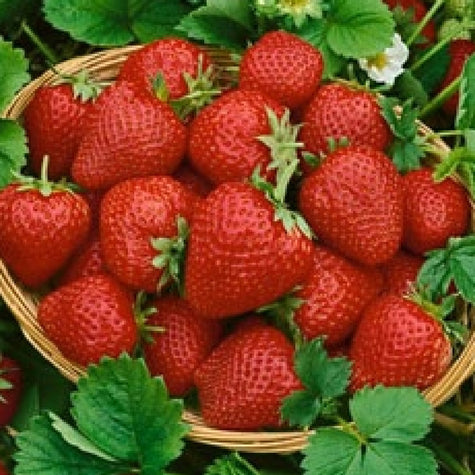
January is an excellent time to plant many fruit trees and berry plants. Apples, peaches, pears, citrus, blueberries, and blackberries can become productive additions to edible landscapes when matched to local conditions.
Apples, Peaches, and Pears
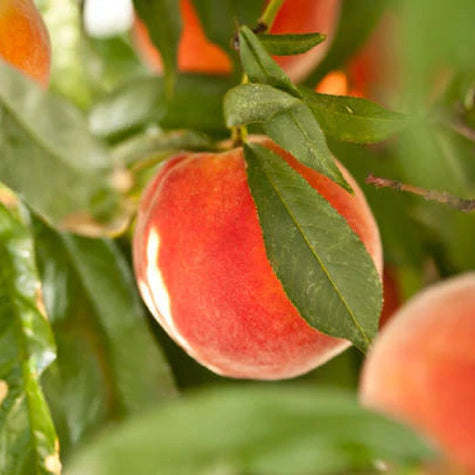
Select fruit trees with chill-hour requirements suited to your area. Chill hours are the accumulated hours of cool temperatures needed for proper flowering and fruit development. Some varieties also need a compatible pollinating partner nearby.
Gala and Red Delicious apples, Belle of Georgia peach, and pear varieties such as D’Anjou and Moonglow illustrate the range of fruit trees available for Southern gardens. Always confirm pollination needs before planting.
Blueberries and Blackberries
Blueberries prefer acidic, well-drained soil and often produce better crops when more than one compatible variety is planted. Climax and Premier are examples of rabbiteye blueberries used in the Southeast.
Blackberries prefer full sun and benefit from good air circulation. Arapaho is an example of an erect-growing blackberry that may require less support than trailing types.
Citrus
Citrus can be grown in protected landscape locations or containers, depending on local winter temperatures. Containers offer the flexibility to move plants into shelter during severe cold.
Fruit trees and berries need generous sunlight, good drainage, and thoughtful spacing. Plan for mature size and make sure harvest areas remain accessible.
Brighten the Winter Garden
Winter landscapes can remain colorful with the right combination of flowers, evergreen foliage, stems, and bark. Pansies, violas, primrose, hellebores, and heuchera are dependable choices for beds and containers.
Pansies and violas provide cheerful flowers during cool weather. Primrose adds bright clusters of color and works well in protected beds and containers. Hellebores contribute elegant winter or early spring flowers and evergreen foliage.
Heuchera offers foliage in shades ranging from green and caramel to purple and burgundy. Combining foliage plants with flowering annuals gives winter containers greater depth and interest.
Large containers can be layered with a vertical evergreen, a mounding foliage plant, and trailing or flowering accents. This combination remains attractive even between bloom cycles.
Add Winter-Blooming Shrubs
Winter-blooming shrubs prevent the landscape from feeling bare and can provide fragrance, flowers, and food for early pollinators.
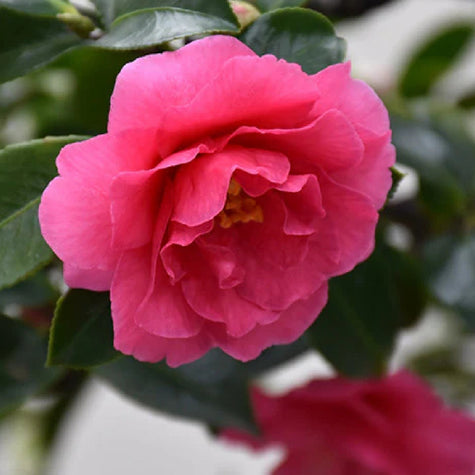
Camellias offer glossy evergreen foliage and flowers in fall, winter, or spring depending on the type. Witch hazel brings unusual ribbon-like flowers to the winter garden. Winter daphne is prized for intensely fragrant blooms.
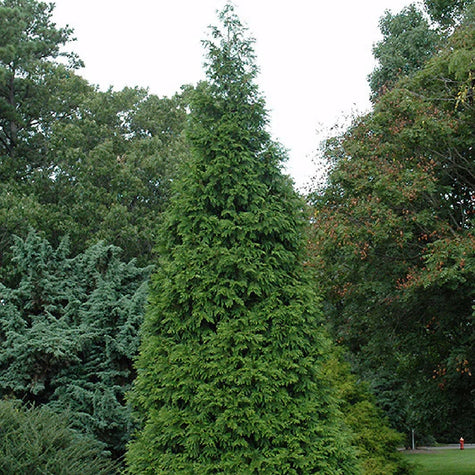
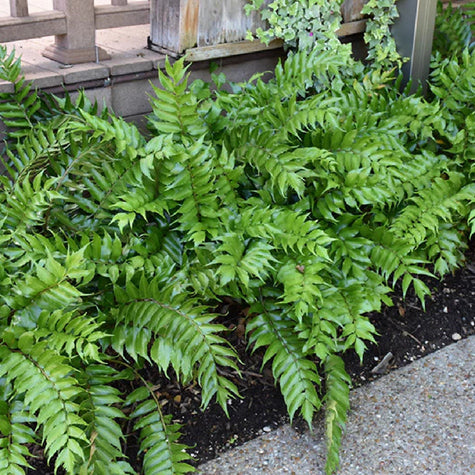
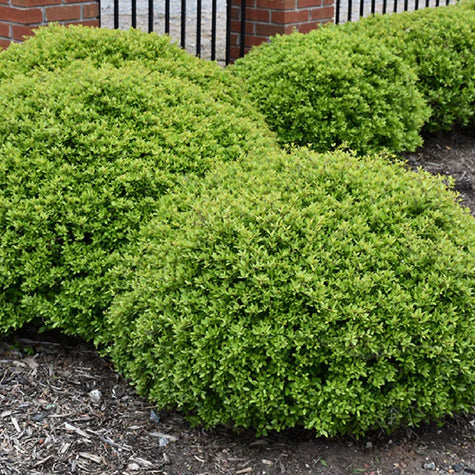
Mahonia, anise, nandina, red- and yellow-twig dogwoods, Fire Chief arborvitae, and evergreen boxwoods contribute foliage, berries, structure, or colorful stems.
Use these plants near entries, patios, windows, and walkways where winter details can be appreciated. Always match the plant to its preferred sunlight, moisture, and mature size.
Plant and Transplant Trees and Shrubs
Winter reveals the backbone of the landscape, making January a useful time to evaluate structure, spacing, privacy, and views. Deciduous plants are easier to assess when leaves are absent, and many plants can be installed or transplanted while dormant.
Move only plants that can be relocated with an adequate root ball. Water the plant before digging, prepare the new planting hole in advance, and replant at the same depth.
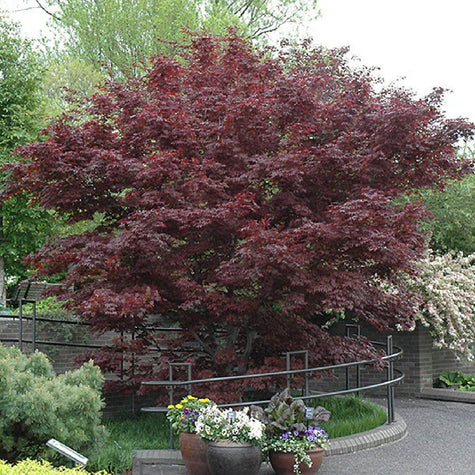
Evergreen shrubs such as holly, boxwood, camellia, arborvitae, and anise can provide year-round screening. Deciduous trees such as dogwood and maple add seasonal flowers, shade, or fall color.
Transplanted and newly installed plants need consistent moisture during their first growing season. Monitor them throughout winter rather than assuming cool weather eliminates the need for watering.
Know What to Prune
January is a good time to prune certain overgrown trees and shrubs, but pruning at the wrong time can remove spring flowers. The key is understanding whether a plant blooms on old wood or new wood.
Plants Commonly Pruned in Winter
Depending on their condition and flowering habit, plants such as abelia, beautyberry, clethra, nandina, roses, boxwood, and holly may be pruned during winter. Remove dead, damaged, crossing, and poorly placed branches first.
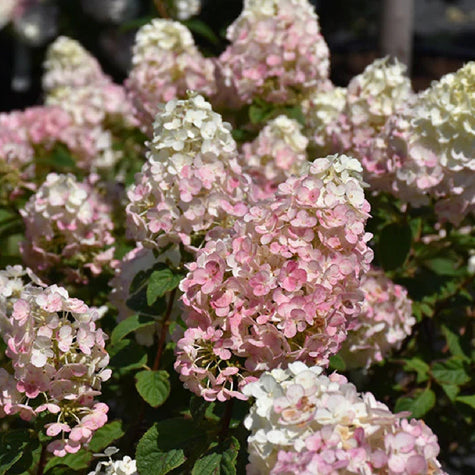
Smooth hydrangeas and panicle hydrangeas bloom on new growth and can generally be pruned before spring growth begins. This includes Hydrangea arborescens and Hydrangea paniculata varieties.
Plants to Prune After Flowering
Avoid heavy winter pruning of spring-flowering trees and shrubs such as dogwoods, flowering cherries, azaleas, and other plants that formed flower buds during the previous growing season. Prune them after blooming.
Bigleaf hydrangeas often bloom on old wood and should not automatically be pruned like smooth or panicle hydrangeas. Identify the hydrangea type before making cuts.
When pruning, preserve the natural shape of the plant. Avoid cutting every branch to the same height unless the plant is specifically suited to shearing.
Clean Up Leaves and Debris
Fallen leaves and garden debris can block sunlight, trap moisture, and create conditions that favor lawn and plant diseases. Rake heavy leaf accumulation from lawns, groundcovers, drainage areas, and low-growing plants.
Healthy leaves can be composted, shredded for mulch, or mulch-mowed into the lawn when conditions are dry. Diseased leaves should be removed from the property or discarded according to local guidelines.
Clean leaves from around plant crowns and avoid allowing wet debris to remain against trunks or stems.
Protect Plants from Cold
Freezing weather can damage tender foliage, flower buds, roots, and containers. Prepare frost cloth and sheltered storage areas before cold weather arrives.
When a freeze is expected, check soil moisture around outdoor plants. Dry plants may experience greater stress, but avoid saturating poorly drained soil. Water early enough for moisture to soak in before temperatures fall.
Group containers together near a protected wall or move them into a garage, enclosed porch, or other sheltered location. Cover sensitive in-ground plants with breathable frost cloth extending to the ground.
Mulch helps insulate roots and crowns. Pine straw, bark, or other organic mulch can be used around pansy beds, bulbs, perennials, trees, and shrubs, but keep mulch away from trunks and stems.
Freeze Protection Reminder
Remove or open plant coverings when daytime temperatures rise. Plants still need light and air circulation between cold nights.
Choose Houseplants for Every Light Level
After holiday decorations are removed, houseplants can restore color, texture, and life to indoor spaces. The best plant is one matched to the available light and care routine.
Lower-Light Areas
ZZ plant, snake plant, and peace lily can adapt to lower indoor light, although all plants need some usable light to remain healthy. These plants are useful for rooms with filtered or indirect exposure.
Medium-Light Areas
Calathea, alocasia, dracaena, and many aglaonema varieties perform well in bright to moderate indirect light. Protect their leaves from harsh afternoon sun and cold drafts.
Bright-Light Areas
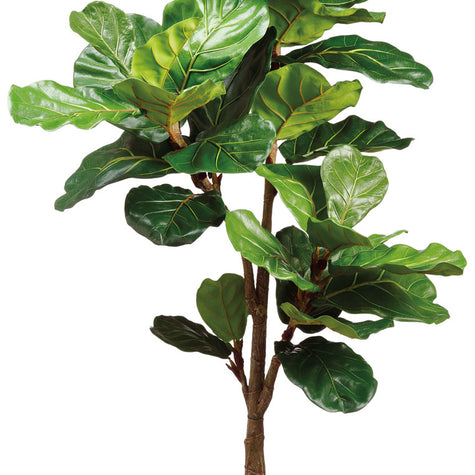
Fiddle-leaf fig, bird of paradise, orchids, succulents, and many ficus varieties prefer brighter conditions. Place them near a well-lit window while watching for intense direct sunlight that may scorch sensitive leaves.
Easy Trailing Plants
Pothos, philodendron, and scindapsus are popular for shelves, hanging baskets, and plant stands. Varieties such as Neon pothos, Jade pothos, Golden Hawaiian pothos, Silvery Ann scindapsus, and Java Platinum scindapsus provide different leaf colors and patterns.
Care for Houseplants in Winter
Indoor plants often grow more slowly during winter because days are shorter and indoor humidity is lower. Adjust watering rather than following the same schedule used during summer.
Check the potting mix before watering and allow excess moisture to drain fully. Never allow decorative pots or saucers to remain filled with water.
Turn plants a quarter to half turn every week or two so growth remains balanced rather than leaning heavily toward the window.
Keep foliage away from heating vents and cold glass. Dust broad leaves gently so they can absorb available light efficiently.
Fertilize only when the plant is actively growing and follow label directions. Many houseplants need less fertilizer during winter.
Know When to Repot
January can be a convenient time to inspect houseplants and prepare for repotting, especially for plants that are not actively flowering. Signs a plant may need a larger container include roots circling inside the pot, roots growing through drainage holes, water running straight through the soil, or unusually rapid drying.
Move the plant into a container only slightly larger than the current pot. A pot that is too large may hold excessive moisture around the roots.
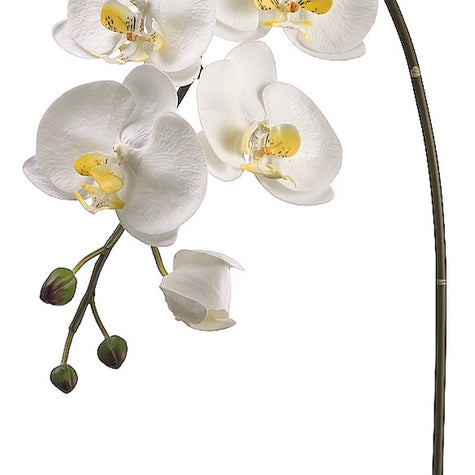
Use a potting mix designed for indoor plants and confirm the new container has adequate drainage. Orchids require a specialized, airy medium and are generally best repotted after flowering rather than while in bloom.
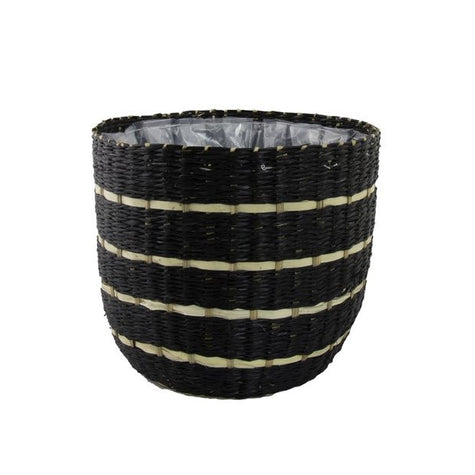
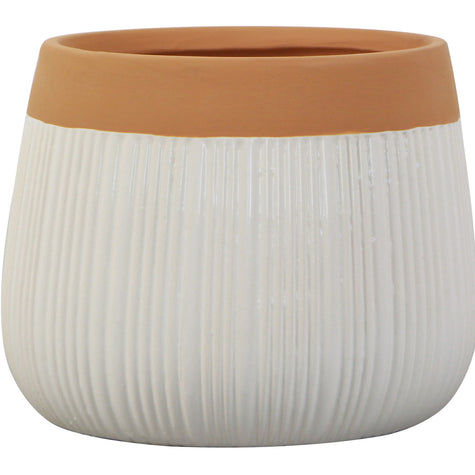
Decorative baskets and pottery can conceal basic nursery pots while still allowing proper drainage and easy plant care.
Grow Air Plants Without Soil
Tillandsias, commonly called air plants, do not need traditional potting soil. They absorb moisture and nutrients through specialized leaf structures and can be displayed in open glass vessels, on decorative wood, or with moss and stones.
Provide bright, indirect light and good air circulation. Watering needs vary by indoor conditions, but plants should be thoroughly moistened and allowed to dry completely rather than remaining wet.
Avoid placing air plants in sealed containers where moisture cannot evaporate. Rot is more likely when water remains trapped around the base.
January Lawn and Equipment Care
Lawn growth is limited in January, making this a good time to maintain equipment and prepare for spring.
Clean lawnmowers, sharpen or replace blades, inspect belts and filters, and follow the manufacturer’s recommendations for fuel and engine maintenance. Clean hand tools, remove rust, sharpen blades, and oil moving parts.
Remove heavy leaf accumulation from turf and avoid walking on frozen or frost-covered grass. Traffic on frozen lawns can damage grass blades and leave visible footprints.
Warm-season lawns are dormant and should not be fertilized. Fescue may remain green, but it grows slowly during cold weather. Mow only when needed and when the lawn is dry.
Winter weeds may appear during mild periods. Identify the weed and confirm that any control product is labeled for the specific lawn type and current conditions.
Feed and Protect Backyard Birds
Natural food sources can become scarce in January. Seed, suet, water, and shelter help backyard birds maintain energy during cold weather.
Sunflower-rich seed blends attract a wide range of birds. Thistle seed is popular with finches, while suet provides concentrated calories.
Keep feeders clean and replace wet or moldy seed. Position feeders near trees and shrubs that offer escape cover, while maintaining enough open space to reduce hiding places for predators.
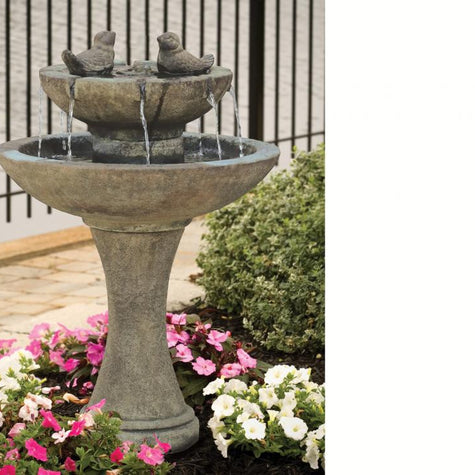
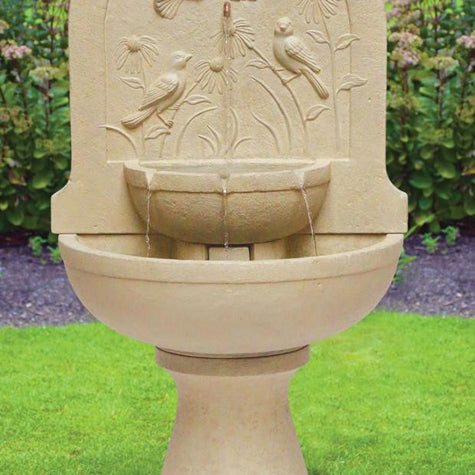
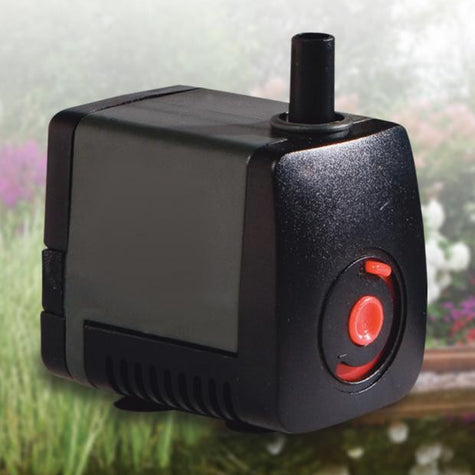
Keep birdbaths filled with fresh water and remove ice as needed. Moving water is easier for birds to locate and may freeze more slowly, but all devices should be used according to their instructions.
Hollies, camellias, evergreens, dogwoods, and other trees and shrubs can provide shelter, nesting locations, berries, or insects throughout the year.
Plan Your Landscape for Spring
January is one of the best months to evaluate the landscape and begin planning improvements. With deciduous plants bare and summer growth absent, it is easier to see drainage patterns, privacy needs, overgrown areas, empty beds, and views that need attention.
Consider how the space should function. You may need a welcoming entry, evergreen screening, a pollinator garden, a play area, a gathering space, better pathways, or more manageable planting beds.
Starting early gives you time to make thoughtful decisions, develop a realistic budget, and prepare for spring installation. It may also help avoid the busiest part of the spring season.
Start Planning Your Spring Landscape
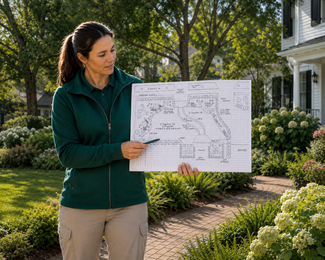
A Pike landscape designer can walk your property, discuss your lifestyle and preferences, and create a personalized plan suited to your space and local growing conditions.
Explore Landscape DesignJanuary Garden Checklist
- Plant roses while temperatures are cool.
- Choose rose varieties suited to the desired location and purpose.
- Prune established roses using clean, sharp tools.
- Plant apples, peaches, pears, blueberries, and blackberries.
- Confirm fruit tree chill-hour and pollination requirements.
- Add pansies, violas, primrose, hellebores, and heuchera for color.
- Plant camellias, winter daphne, mahonia, and other winter-interest shrubs.
- Plant or transplant trees and shrubs while dormant.
- Prune summer-blooming shrubs that flower on new wood.
- Wait to prune spring-flowering trees and shrubs until after bloom.
- Remove heavy leaf accumulation from lawns and beds.
- Water plants appropriately before severe cold.
- Prepare frost cloth and sheltered locations for tender plants.
- Inspect houseplants and match them to available light.
- Rotate houseplants for balanced growth.
- Repot rootbound plants that are not actively flowering.
- Clean and maintain lawnmowers and garden tools.
- Keep bird feeders clean and filled.
- Provide birds with fresh water and winter shelter.
- Evaluate your landscape and begin planning spring projects.
Frequently Asked Questions
Find answers to common questions about January planting, pruning, roses, fruit trees, houseplants, winter color, lawn care, and cold-weather protection in Georgia and the Carolinas.
Is January a good time to plant roses?
Yes. Cool winter temperatures allow newly planted roses to begin establishing roots before spring growth and summer heat arrive.
Can fruit trees be planted in January?
Many apples, peaches, pears, blueberries, and blackberries can be planted during winter when the soil is workable. Choose varieties suited to local chill hours and pollination needs.
What shrubs can I prune in January?
Abelia, beautyberry, clethra, nandina, roses, boxwood, holly, smooth hydrangeas, and panicle hydrangeas may be pruned during winter depending on their condition and growth habit.
What should I avoid pruning in winter?
Avoid heavy pruning of spring-flowering plants such as dogwoods, flowering cherries, azaleas, and many bigleaf hydrangeas before they bloom.
What flowers provide winter color in January?
Pansies, violas, primrose, hellebores, camellias, and selected cyclamen can provide color depending on local conditions.
How do I protect plants during a freeze?
Move portable plants to shelter, group containers near a protected wall, and cover sensitive in-ground plants with breathable frost cloth extending to the ground.
Which houseplants tolerate lower light?
ZZ plants, snake plants, and peace lilies can adapt to lower indoor light, although they still need some usable natural or supplemental light.
Should I fertilize houseplants in January?
Many houseplants grow more slowly during winter and need less fertilizer. Feed only when plants are actively growing and follow product directions.
When should I repot a houseplant?
Repot when roots circle the pot, emerge from drainage holes, or the plant dries unusually quickly. Avoid repotting flowering orchids until after bloom.
Is January a good time to plan landscaping?
Yes. Winter makes it easier to evaluate structure, drainage, privacy, and empty areas while allowing time to prepare for spring installation.
Start the Year with a Stronger Garden
January is more than a month of garden maintenance. It is a valuable season for planting, pruning, planning, and bringing fresh life indoors. By planting roses and fruit trees, adding winter color, protecting plants from cold, caring for houseplants, and supporting backyard birds, you can create a strong foundation for the growing season ahead.
