




July Gardening Guide: Water Wisely & Keep Summer Gardens Thriving
July brings intense heat, high humidity, afternoon storms, and some of the greatest water demands of the year for gardens throughout Georgia and the Carolinas. Heat-loving flowers are still thriving, crape myrtles and hydrangeas are blooming, tomatoes and peppers are producing, and hummingbirds, butterflies, and backyard birds remain highly active.
This is the month to water deeply, refresh mulch, cut back tired annuals, stake tall plants, monitor lawns and ornamentals for disease and insects, care for houseplants, and keep birdbaths and feeders clean. With consistent care, your landscape can remain colorful and healthy through the hottest part of summer.
What’s Taking Root This Month
Your July priorities at a glance.
- Water lawns and gardens deeply between approximately 6 and 10 a.m.
- Turn off automatic irrigation systems when rainfall provides enough moisture.
- Refresh tired beds with vinca, pentas, lantana, caladiums, canna lilies, and other heat-loving plants.
- Cut back leggy annuals to encourage branching and renewed flowering.
- Feed flower beds carefully and water thoroughly after fertilizing.
- Stake tall annuals and perennials before strong summer thunderstorms arrive.
- Maintain a two- to three-inch mulch layer to conserve moisture and suppress weeds.
- Monitor azaleas and other shrubs for lace bugs and confirm the pest before treatment.
- Care for hydrangeas, crape myrtles, Japanese maples, abelia, and chaste trees during summer heat.
- Lay Bermuda, zoysia, or centipede sod and keep it consistently moist while roots establish.
- Watch lawns for fungal disease and avoid late-evening irrigation.
- Use iron on appropriate lawns when green color is needed without pushing excessive growth.
- Cut garden flowers for fresh indoor arrangements.
- Clean hummingbird feeders and birdbaths frequently during hot weather.
What You’ll Find in This July Garden Guide
Why July Is an Important Gardening Month
July is less about large-scale planting and more about protecting the investment already made in the garden. Heat, humidity, drought, heavy rain, and thunderstorms can all occur within the same week.
Plants need consistent moisture, healthy root zones, good airflow, and careful monitoring. Overwatering can be just as damaging as underwatering, especially in heavy clay soil or poorly drained containers.
Use July to correct irrigation problems, refresh tired color, remove diseased foliage, maintain mulch, and observe which plants are performing best in the hottest conditions.
Water Wisely During Summer Heat
Many landscapes are watered too frequently and too shallowly. Deep, less frequent watering usually encourages stronger roots and helps established plants tolerate dry periods.
Water in the Morning
Water between approximately 6 and 10 a.m. when possible. Morning irrigation reduces evaporation and gives foliage time to dry before night, which may lower disease pressure.
Water Until Just Before Runoff
Apply water slowly enough that it can soak into the soil. Stop if water begins running across sidewalks, driveways, or slopes. On compacted soil, use a cycle-and-soak method by applying water in shorter intervals.
Check Before Watering
Insert a finger or soil probe several inches into the root zone. The soil surface can appear dry while deeper layers remain moist.
Turn off automatic sprinklers when rainfall provides enough moisture. A rain sensor or smart irrigation controller can help prevent unnecessary watering.
Pay Special Attention to New Plants
Newly planted trees, shrubs, perennials, and sod need more frequent monitoring because their roots remain concentrated near the original root ball or soil surface.
Refresh Heat-Loving Garden Color
July gardens can remain bright and colorful with plants that tolerate high temperatures and humidity.
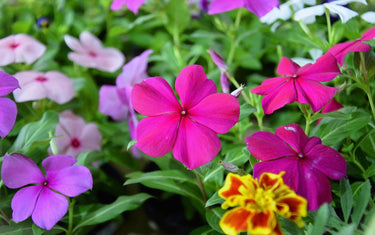
Vinca
Cora vinca and trailing Cora Cascade varieties perform well in full sun and hot conditions when soil drains freely. Avoid overwatering or planting them in beds that stay wet.
Pentas and Lantana
Pentas and lantana provide long-lasting flowers and attract hummingbirds and butterflies. Plant them in sunny areas and remove spent flowers as needed.
Canna Lilies
Canna lilies add tropical foliage and bold flowers to beds and large containers. They prefer full sun and consistent moisture but should not remain in stagnant water.
Caladiums
Caladiums provide colorful foliage in shade and filtered light. Some newer varieties tolerate more sun when the soil remains consistently moist.
Purslane and Sun-Loving Annuals
Purslane, portulaca, angelonia, salvia, zinnias, and heat-tolerant begonias can continue flowering through summer with appropriate care.
Revive Tired Annuals
It is normal for some seasonal annuals to become leggy or decline before the end of summer. A midsummer refresh can restore color and improve the overall appearance of the garden.
Cut Back Leggy Growth
Trim long, sparse stems by approximately one-third when the plant type tolerates pruning. This can encourage branching and new flower production.
Remove Spent Flowers
Deadhead annuals that benefit from flower removal. Some self-cleaning varieties do not require regular deadheading.
Replace Failing Plants
Remove annuals that are diseased, severely stressed, or unlikely to recover. Replace them with heat-tolerant plants suited to the remaining summer conditions.
Feed Flower Beds Carefully
Summer heat can slow growth, but actively blooming annuals and perennials may still benefit from feeding.
Use a fertilizer labeled for flowers and follow the stated application rate. More fertilizer does not produce better results and can burn roots or increase water demand.
Water the soil before fertilizing if it is very dry, then water again after applying granular fertilizer unless the label states otherwise.
Avoid heavy feeding during severe drought, extreme heat, or when plants are wilted and stressed.
Refresh Mulch
Mulch helps retain soil moisture, moderate root-zone temperatures, reduce weeds, and limit soil splashing onto foliage.
Maintain a layer approximately two to three inches deep. Use pine straw, shredded bark, pine bark nuggets, or another appropriate material.
Keep mulch several inches away from tree trunks, shrub stems, and plant crowns. Piling mulch against plants can trap moisture and encourage decay.
Prepare Plants for Summer Storms
Afternoon thunderstorms can bring strong wind and heavy rain. Secure tall annuals, perennials, vegetables, and young trees before storms arrive.
Stake Tall Plants
Use bamboo stakes, plant supports, cages, or soft ties for dahlias, sunflowers, tomatoes, peppers, canna lilies, and tall perennials.
Leave ties slightly loose so stems can move naturally without rubbing or becoming constricted.
Inspect After Storms
Remove broken branches with clean tools and stand up plants that have leaned. Avoid walking on saturated soil, which can increase compaction.
Watch for Lace Bugs
Lace bugs commonly feed on azaleas and some other ornamental plants. Damage often appears as pale stippling or bleaching on the upper leaf surface, while dark spots and insects may be visible underneath.
Inspect the underside of affected leaves before treatment. Similar symptoms may also result from mites, nutrient problems, or environmental stress.
When lace bugs are confirmed, use a product labeled for the affected plant and pest. Follow all directions carefully and avoid applying insecticides while pollinators are actively visiting flowers.
Care for Summer Hydrangeas
Hydrangeas may wilt during hot afternoons even when the soil contains moisture. Check the root zone before watering automatically.
Deep watering, morning sun, afternoon shade, and an even mulch layer help reduce heat stress.
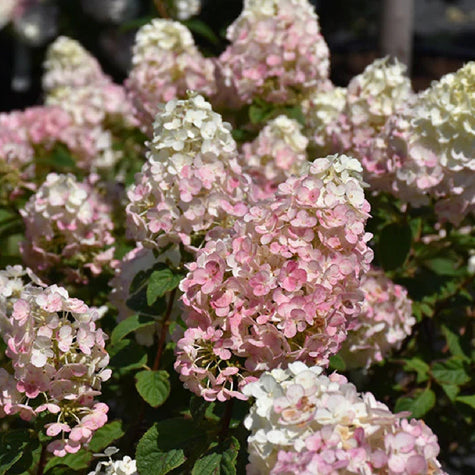
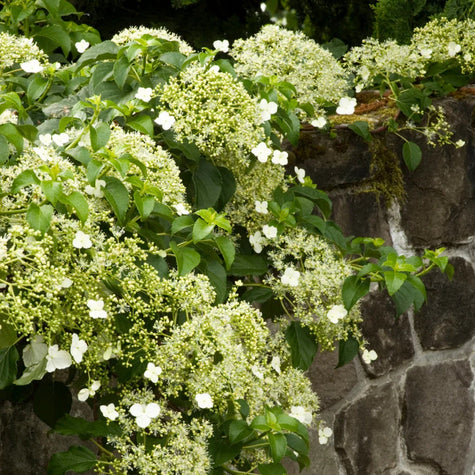
Puffer Fish, Pinky Winky Prime, Endless Summer, and other hydrangeas vary in mature size and pruning needs. Panicle hydrangeas generally tolerate more sun than bigleaf hydrangeas.
Remove only damaged or dead stems unless the variety’s bloom habit is known. Incorrect pruning can remove future flowers.
Enjoy Crape Myrtle Season
July is one of the best times to select crape myrtles because plants are actively blooming. Ebony Flame, Enduring White, Princess Kylie, and other varieties offer different colors, forms, and mature sizes.
Choose a plant that naturally fits the available space. Larger tree forms work well as flowering shade trees, while compact selections suit smaller beds and foundation plantings.
Do not severely top crape myrtles. Selective pruning preserves natural structure and reduces weak, crowded regrowth.
Protect Japanese Maples
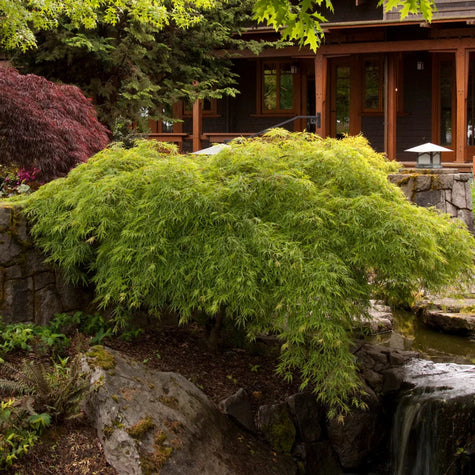
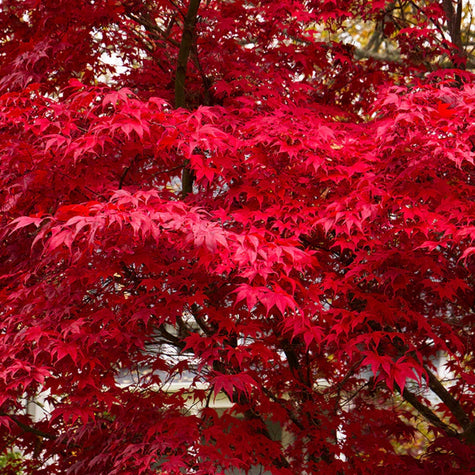
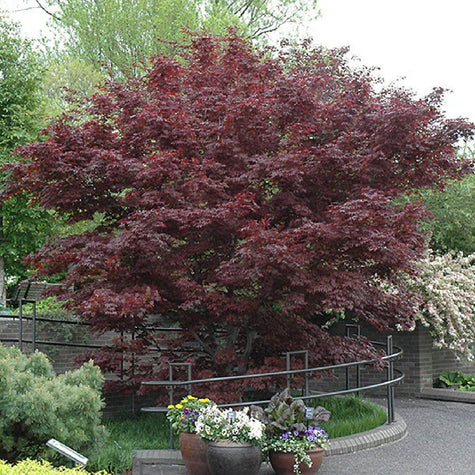
Bloodgood, Tamukeyama, Crimson Queen, and other Japanese maples bring refined foliage and structure to the landscape.
During July, protect Japanese maples from intense reflected heat and drying winds. Morning sun with afternoon shade is often ideal in hot Southern landscapes.
Water deeply when the root zone begins to dry, but avoid keeping the soil saturated. Maintain mulch over the roots while keeping it away from the trunk.
Leaf scorch can result from heat, drought, wind, excessive fertilizer, or root stress. Scorched leaves will not recover, but the tree may remain healthy if the underlying stress is corrected.
Plant Summer-Blooming Shrubs
Summer-blooming shrubs can add color, fragrance, pollinator value, and structure to the landscape.
Chaste Tree
Chaste tree selections such as Flip Side and Delta Blues produce flower spikes that attract pollinators. Plant in full sun with well-drained soil.
Abelia
Kaleidoscope abelia offers colorful foliage and small flowers over a long season. It works well in borders, foundation plantings, and mixed beds.
Encore Azaleas
Encore azaleas can provide additional flowering beyond spring. Give them acidic, well-drained soil, even moisture, and protection from harsh afternoon sun.
Magnolias and Screening Trees
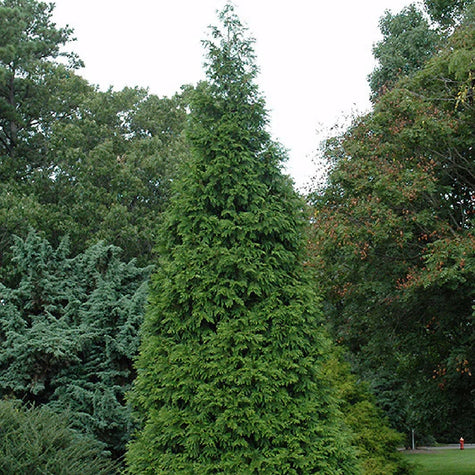
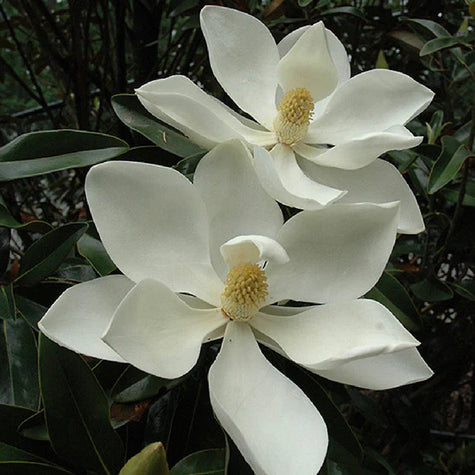
Little Gem magnolia and Green Giant arborvitae provide evergreen structure and screening. Consider mature size, available width, and distance from structures before planting.
Create a Hummingbird and Pollinator Garden
July gardens can provide essential nectar, pollen, host plants, water, and shelter for hummingbirds, butterflies, bees, and beneficial insects.
Plant salvia, bee balm, phygelius, lantana, pentas, echinacea, butterfly bush, chaste tree, rudbeckia, and flowering herbs.
Hummingbird Favorites
Salvia Black & Bloom, May Night salvia, bee balm, phygelius, pentas, and lantana offer tubular or nectar-rich flowers that hummingbirds can visit repeatedly.
Butterfly Plants
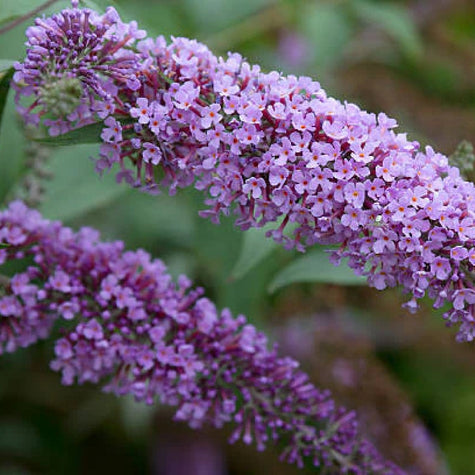
Butterfly bush, echinacea, lantana, chaste tree, and native milkweed support adult butterflies. Host plants are also important because caterpillars need specific foliage.
Avoid broad-spectrum pesticides and treat only confirmed problems. Apply products when pollinators are not actively visiting flowers whenever the label allows.
Understand Mosquito-Repellent Plants
Citronella-scented geraniums and lemongrass contain aromatic oils, but simply planting them in the landscape does not create complete mosquito protection.
Reduce mosquito breeding by emptying standing water from saucers, buckets, clogged gutters, toys, and unused containers.
Refresh birdbaths frequently and use moving water when possible. Combine good sanitation with other mosquito-management methods appropriate for the property.
Maintain Tomatoes, Peppers, and Herbs
Tomatoes, peppers, basil, rosemary, and other edible plants need regular harvesting and consistent moisture during July.
Tomatoes
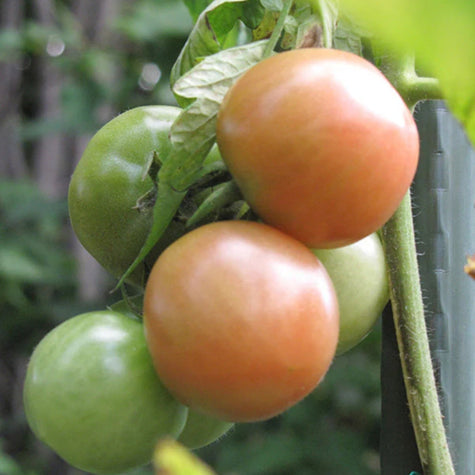
Water tomatoes at the root zone, maintain mulch, and secure heavy branches to cages or stakes. Remove diseased leaves and fallen fruit promptly.
Peppers
Harvest peppers at the desired stage. Green peppers are immature, while many varieties become sweeter or hotter as they develop mature color.
Herbs
Harvest basil frequently and remove flower buds to encourage more leaves. Rosemary, thyme, and oregano prefer strong sun and good drainage.
During extreme heat, some vegetables may temporarily slow flowering or fruit set. Continue watering consistently and avoid excessive nitrogen.
Bring Garden Blooms Indoors
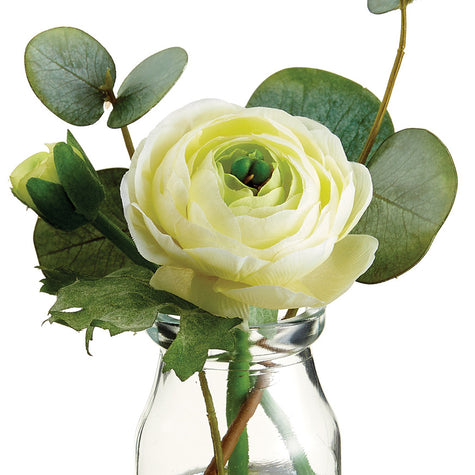
Cutting flowers from the garden is a simple way to enjoy seasonal color indoors. Hydrangeas, cosmos, coneflowers, dahlias, zinnias, sunflowers, salvia, and foliage can be combined in fresh arrangements.
Harvest in the Morning
Cut flowers during the cooler morning hours when stems are well hydrated. Use clean, sharp pruners and place stems into water immediately.
Keep Arrangements Fresh
Remove leaves that would sit below the water line, use a clean vase, and replace the water regularly. Keep arrangements away from direct sunlight, heating vents, and ripening fruit.
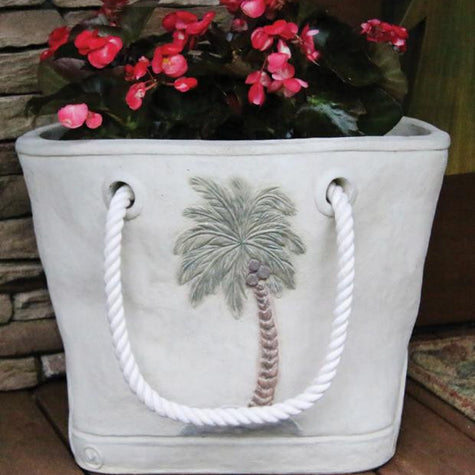
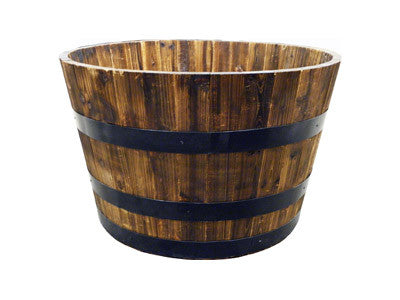
Care for Containers and Pottery
Containers may need daily watering in July, especially hanging baskets and small pots exposed to wind or afternoon sun.
Check the potting mix before watering and irrigate thoroughly until excess drains from the bottom. Avoid allowing pots to remain in standing water.
Water-retaining granules or self-watering devices may help extend the time between waterings, but they do not replace regular monitoring.
Refresh containers with vinca, pentas, caladiums, lantana, succulents, canna lilies, salvia, or mixed gardens suited to the location.
Maintain Houseplants
Continue feeding actively growing houseplants monthly or according to the fertilizer label.
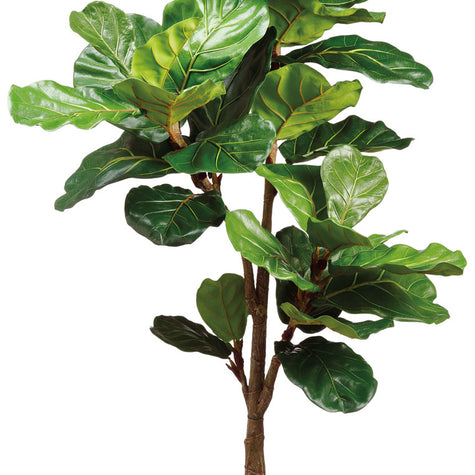
Snake plants, pothos, philodendrons, fiddle leaf figs, and other tropical houseplants should be protected from direct outdoor sun unless they have been gradually acclimated.
Snake Plants
Snake plants tolerate lower light and infrequent watering. Allow the potting mix to dry substantially between waterings.
Pothos and Philodendrons
Pothos and heartleaf-type philodendrons prefer bright, indirect light and evenly moist but well-drained potting mix.
Fiddle Leaf Figs
Fiddle leaf figs prefer bright light, stable conditions, and careful watering. Sudden changes in light or moisture may cause leaf drop.
Care for Lawns in Heat and Humidity
Summer heat and humidity can encourage lawn disease while increasing water demand.
Water Early
Water lawns in the morning so grass blades can dry before night. Avoid daily shallow watering unless newly installed sod requires it during establishment.
Watch for Lawn Disease
Irregular brown areas, circular patches, thinning turf, or discolored blades may indicate disease, insects, irrigation problems, or other stress.
Confirm the cause before treating. Fungicides will not correct insect damage, poor drainage, drought stress, or incorrect mowing.
Use Iron Carefully
An iron supplement may improve green color in appropriate fescue and centipede lawns without forcing as much new growth as high-nitrogen fertilizer.
Follow label directions and protect concrete, stone, and other hard surfaces because iron products may stain.
Mow at the Correct Height
Maintain the recommended mowing height for the grass species and remove no more than one-third of the blade at a time. Keep mower blades sharp.
Lay Warm-Season Sod
July can be a suitable time to install Bermuda, zoysia, or centipede sod because warm-season grasses are actively growing.
Prepare the soil carefully, lay sod with tight staggered seams, and roll it to ensure good soil contact.
Water immediately after installation and keep the root zone consistently moist while roots establish. Hot, windy weather may require multiple checks each day.
Gradually reduce watering frequency as roots begin growing into the underlying soil.
Support Backyard Birds
Backyard birds need reliable water and clean feeding stations during the hottest part of summer.
Clean Birdhouses
After young birds have completely left the nest, remove old nesting material from houses designed to be cleaned. Wear gloves and avoid disturbing active nests.
Clean Hummingbird Feeders
Clean hummingbird feeders every few days during hot weather rather than waiting a full week if nectar becomes cloudy or sticky.
Use one part plain white sugar to four parts water. Do not add red dye, honey, or artificial sweeteners.
Refresh Birdbaths
Clean and refill birdbaths frequently. Shallow water with a textured surface or stones provides secure footing.
Refresh Outdoor Living Spaces
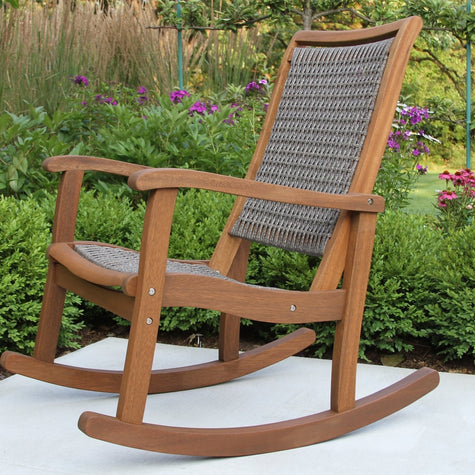
Shade, airflow, and comfortable seating make patios more enjoyable during July.
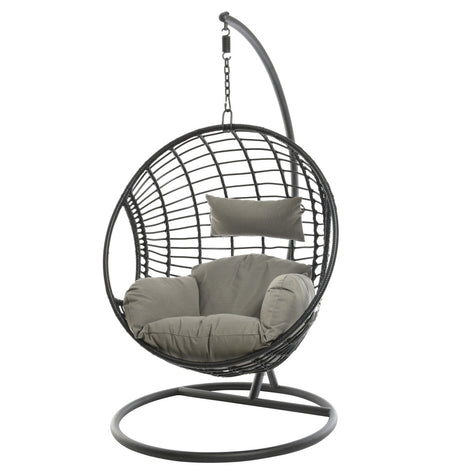
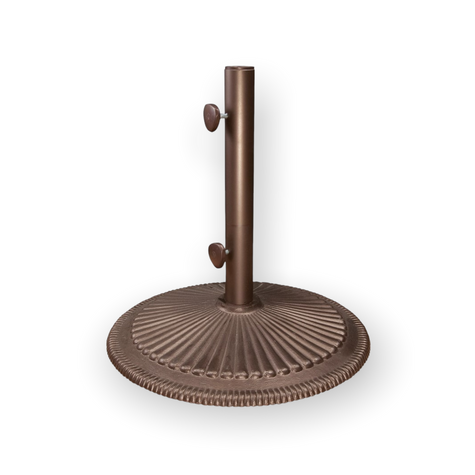
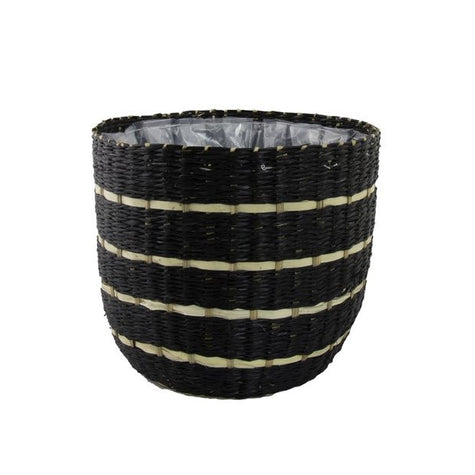
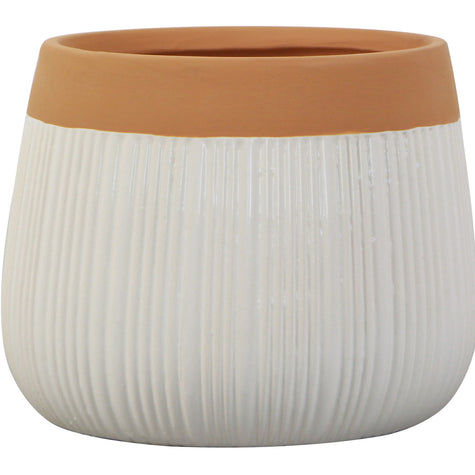
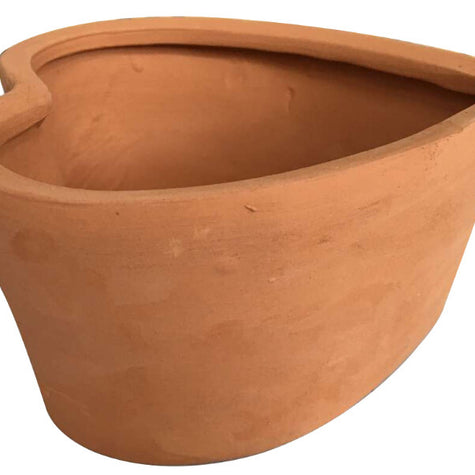
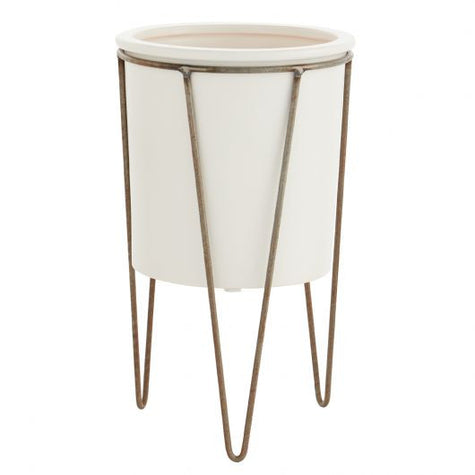
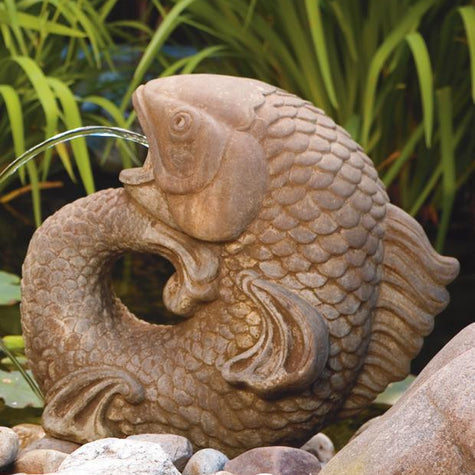
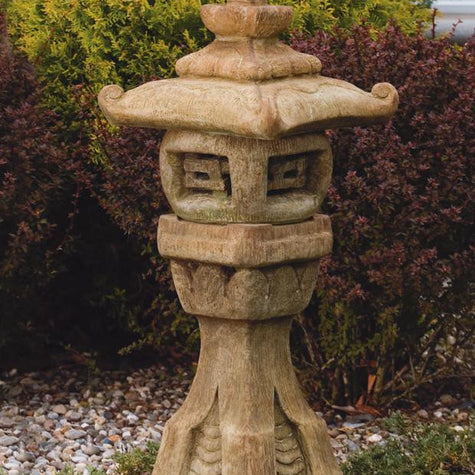
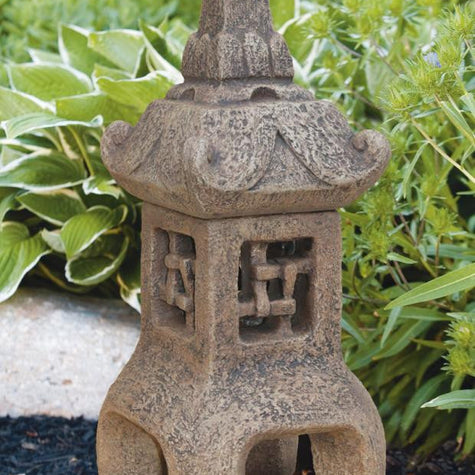
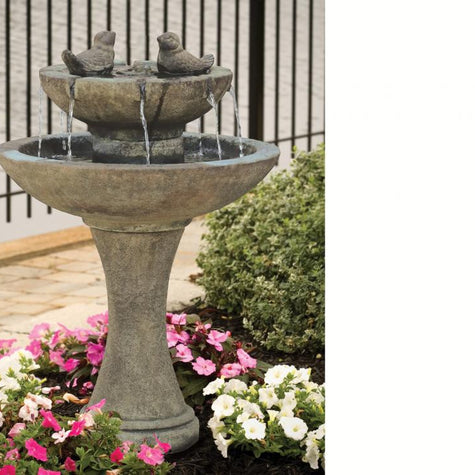
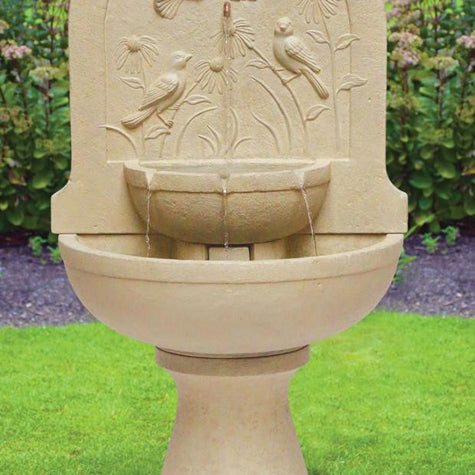
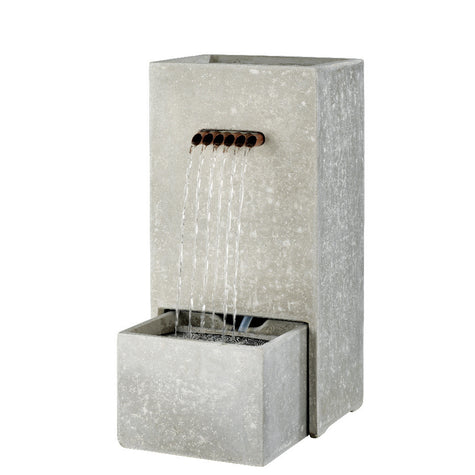
Add umbrellas, outdoor cushions, fountains, statuary, glazed pottery, lightweight containers, and solar lighting to create a finished outdoor room.
Use heat-tolerant plants around seating areas and position containers where watering and maintenance are convenient.
Plan Your Landscape
July reveals the hottest, driest, wettest, and most difficult areas of the property. Use these observations to guide future landscape improvements.
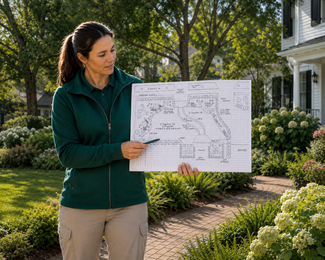
A thoughtful plan can incorporate shade trees, screening plants, drought-tolerant color, pollinator gardens, patios, walkways, irrigation improvements, and better drainage.
Professional guidance can help match plants to the site, account for mature size, and organize projects into manageable phases.
Your Best Garden Is Closer Than You Think
A Pike landscape designer can visit your property, discuss your goals, and create a personalized plan suited to your home, lifestyle, and local growing conditions.
Explore Landscape DesignJuly Garden Checklist
- Water gardens and lawns between approximately 6 and 10 a.m.
- Use cycle-and-soak watering on slopes and compacted soil.
- Turn off automatic irrigation when rainfall provides enough moisture.
- Check newly planted trees, shrubs, perennials, and sod frequently.
- Plant vinca, pentas, lantana, canna lilies, caladiums, and purslane.
- Cut back leggy annuals to encourage branching.
- Remove diseased or failing annuals and replace them with heat-tolerant color.
- Feed actively blooming flower beds according to label directions.
- Water before and after fertilizing when appropriate.
- Refresh mulch to a depth of two to three inches.
- Keep mulch away from trunks, stems, and crowns.
- Stake dahlias, sunflowers, tomatoes, canna lilies, and tall perennials.
- Inspect plants after strong storms and remove broken stems.
- Check azalea leaves for lace bug damage.
- Confirm the pest before applying an insecticide.
- Water hydrangeas deeply and maintain afternoon shade when possible.
- Select crape myrtles based on mature size and flower color.
- Avoid severely topping crape myrtles.
- Protect Japanese maples from reflected heat and drying wind.
- Plant chaste tree, abelia, Encore azalea, and other summer shrubs.
- Add salvia, bee balm, pentas, lantana, and butterfly bush for pollinators.
- Remove standing water that may support mosquito breeding.
- Harvest tomatoes, peppers, and herbs regularly.
- Secure tomato branches carrying heavy fruit.
- Cut hydrangeas, zinnias, dahlias, coneflowers, and sunflowers for arrangements.
- Check container moisture daily during hot weather.
- Protect houseplants from direct outdoor sun.
- Continue feeding actively growing houseplants.
- Water lawns early enough for foliage to dry before night.
- Inspect lawns for disease, insects, and irrigation problems.
- Use iron supplements only on appropriate turf and follow the label.
- Mow at the correct height with a sharp blade.
- Install Bermuda, zoysia, or centipede sod and keep it moist.
- Clean empty birdhouses after young birds have left.
- Clean hummingbird feeders every few days during hot weather.
- Refresh hummingbird nectar before it becomes cloudy.
- Clean and refill birdbaths frequently.
- Add umbrellas, fountains, pottery, and lighting to outdoor spaces.
- Observe the landscape for future shade, drainage, and irrigation improvements.
Frequently Asked Questions
Find answers to common questions about July watering, heat-tolerant plants, hydrangeas, crape myrtles, Japanese maples, lace bugs, lawns, sod, houseplants, hummingbirds, and summer garden care in Georgia and the Carolinas.
What is the best time to water in July?
Water between approximately 6 and 10 a.m. when possible. Morning watering reduces evaporation and allows foliage to dry before night.
Which flowers tolerate July heat?
Vinca, pentas, lantana, canna lilies, caladiums, purslane, salvia, zinnias, angelonia, and many heat-tolerant begonias perform well when matched to the correct light and moisture conditions.
Why are my hydrangeas wilting every afternoon?
Hydrangeas may wilt temporarily in extreme heat even when soil is moist. Check the root zone before watering. Morning sun, afternoon shade, deep irrigation, and mulch can reduce stress.
How can I tell if azaleas have lace bugs?
Look for pale stippling on the upper leaf surface and dark spots or insects underneath. Confirm the pest because mites and environmental stress can cause similar symptoms.
Can I plant trees and shrubs in July?
Yes, but newly planted trees and shrubs need careful watering and may experience more stress than plants installed during cooler weather. Avoid planting during extreme heat when possible.
Is July a good time to install sod?
Warm-season Bermuda, zoysia, and centipede sod can establish in July, but it must be watered immediately and monitored closely during hot weather.
Why is my lawn turning brown in patches?
Brown patches may result from fungal disease, insects, drought, overwatering, pet damage, dull mower blades, or poor soil. Confirm the cause before choosing a treatment.
Do citronella plants keep mosquitoes away?
Citronella-scented plants contain aromatic oils, but simply growing them does not provide complete mosquito control. Removing standing water remains essential.
How often should hummingbird feeders be cleaned in summer?
Clean feeders every few days during hot weather and immediately whenever nectar becomes cloudy, sticky, or contaminated.
Should I fertilize flowers during extreme heat?
Avoid heavy fertilization when plants are wilted, drought-stressed, or experiencing extreme heat. Feed healthy, actively growing plants according to label directions and water appropriately.
Help Your Garden Thrive Through the Heat
July gardening is about thoughtful maintenance. Deep morning watering, healthy mulch, refreshed summer color, proper lawn care, pollinator support, and regular monitoring can help your landscape remain beautiful and resilient through the hottest weeks of the year.
