






March Gardening Guide: Welcome Spring with Color, Growth & Fresh Beginnings
March is one of the most exciting months in gardens throughout Georgia and the Carolinas. Longer days, warming soil, and the return of active growth create ideal conditions for planting trees, shrubs, vines, perennials, vegetables, fruit trees, and colorful containers.
This is also an important month for lawn preparation, weed prevention, camellia care, strawberry planting, houseplant maintenance, and welcoming hummingbirds and bluebirds back to the garden. A thoughtful start in March can create healthier plants, fuller landscapes, and more color throughout spring and summer.
What’s Taking Root This Month
Your March priorities at a glance.
- Plant trees, shrubs, vines, perennials, and spring-flowering landscape plants.
- Add Japanese maples, azaleas, rhododendrons, hydrangeas, and gardenias.
- Plant strawberries, fruit trees, herbs, lettuce, tomatoes, and peppers as conditions allow.
- Prune and feed camellias after they finish flowering.
- Fertilize spring-flowering bulb areas after bloom.
- Purchase summer bulbs now and plant them after the danger of frost has passed.
- Reseed bare areas in fescue lawns or apply pre-emergent weed control—but not both in the same area.
- Sharpen mower blades before lawns begin active spring growth.
- Fertilize and repot houseplants as growth resumes.
- Prepare bluebird houses and clean hummingbird feeders.
- Create spring containers using the thriller, filler, and spiller method.
- Begin landscape planning before the busiest part of spring.
What You’ll Find in This March Garden Guide
Why March Is an Important Gardening Month
March marks the beginning of active spring growth in much of the Southeast. Soil temperatures begin rising, daylight increases, and many plants shift energy into new roots, leaves, and flowers.
These conditions make March an excellent planting month, but weather can still change quickly. Late freezes remain possible, so monitor local forecasts and protect tender new growth when needed.
Use this month to inspect winter damage, prepare soil, clean planting beds, refresh mulch, sharpen tools, and plan the sequence of spring projects. Completing foundational tasks early makes the rest of the growing season easier to manage.
Plant Trees, Shrubs, and Vines
March is a strong month for filling in the backbone of the landscape with trees, shrubs, and vines. Cooler spring weather helps reduce transplant stress while roots begin establishing before summer heat arrives.
Before planting, evaluate sunlight, drainage, mature size, and nearby structures. Avoid placing shrubs too close to foundations or trees beneath utility lines.
Dig a hole wider than the root ball but no deeper. Position the root flare at or slightly above the surrounding grade, backfill with the existing soil, and water thoroughly.
Apply mulch over the root zone to conserve moisture and reduce weeds, but keep it several inches away from trunks and stems.
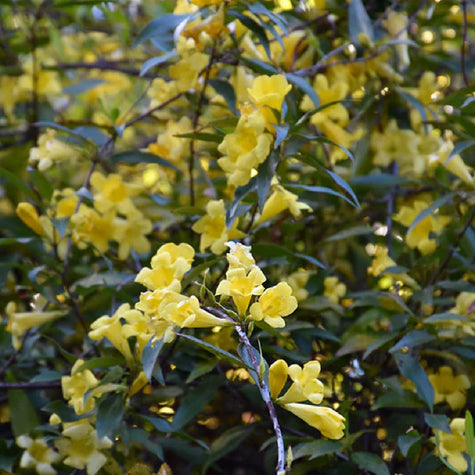
Vines such as Carolina jessamine and Madison jasmine can add flowers and vertical interest to fences, arbors, and trellises. Install sturdy support at planting time so vines can be trained from the beginning.
Grow Japanese Maples
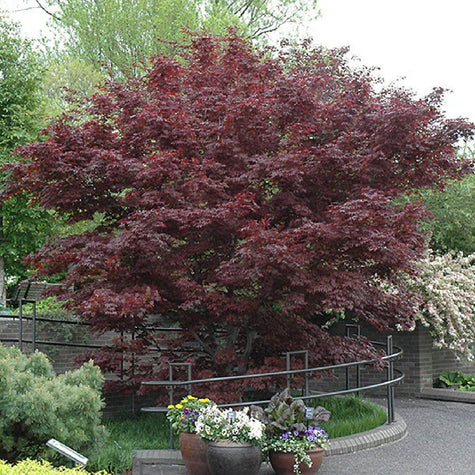
Japanese maples are valued for graceful branching, finely textured foliage, and exceptional seasonal color. They can serve as specimen trees, focal points, container plants, or accents in woodland-style gardens.
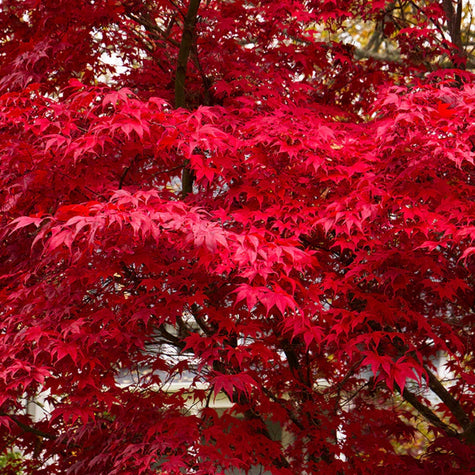
Bloodgood Japanese Maple
Bloodgood develops an upright tree form with deep burgundy foliage. It works well as a specimen near patios, entries, and mixed borders where its canopy has room to develop.
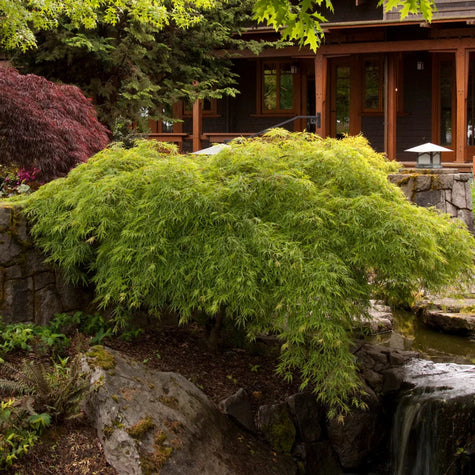
Crimson Queen Japanese Maple
Crimson Queen has a cascading, laceleaf form and is often used near ponds, walls, slopes, and large containers. Its low, spreading habit makes it especially effective where the branching structure can be seen.
Red Dragon Japanese Maple
Red Dragon is another laceleaf selection known for rich red-purple foliage and a compact, weeping form.
Most Japanese maples prefer morning sun or filtered light with protection from harsh afternoon exposure. They need well-drained soil and consistent moisture but should not remain waterlogged.
Companion plants may include azaleas, rhododendrons, pieris, hellebores, ferns, carex, and black mondo grass. These plants create layered texture and thrive in similar woodland conditions.
Plant Azaleas and Rhododendrons
Azaleas are among the signature flowering shrubs of Southern spring gardens. March is an ideal time to compare flower color, growth habit, mature size, and bloom season while plants are showing their full character.
Encore Azaleas
Encore azaleas are known for flowering in spring and reblooming later in the season when growing conditions are favorable. Varieties offer a range of flower colors and mature sizes.
Bloom-A-Thon Azaleas
Bloom-A-Thon azaleas are also selected for repeat flowering and can extend seasonal color beyond the traditional spring display.
Classic Southern Azaleas
Classic evergreen azaleas such as George Tabor, G.G. Gerbing, and Formosa remain popular for mass plantings, foundation beds, and woodland gardens.
Deciduous Azaleas
Deciduous azaleas lose their leaves in winter and often produce large, fragrant flowers in spring. Cannon’s Double is one example of the colorful selections available.
Rhododendrons and Pieris
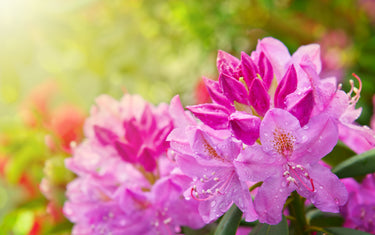
Rhododendrons and pieris pair naturally with azaleas and Japanese maples. They prefer acidic, organic, well-drained soil and protection from intense afternoon sun.
Plant azaleas and rhododendrons slightly high rather than too deeply. Mulch with pine bark or pine straw and keep the root zone evenly moist during establishment.
Use fertilizers formulated for acid-loving plants only when appropriate, and follow label directions. Prune azaleas after their main spring bloom rather than before flowering.
Care for Camellias After Bloom
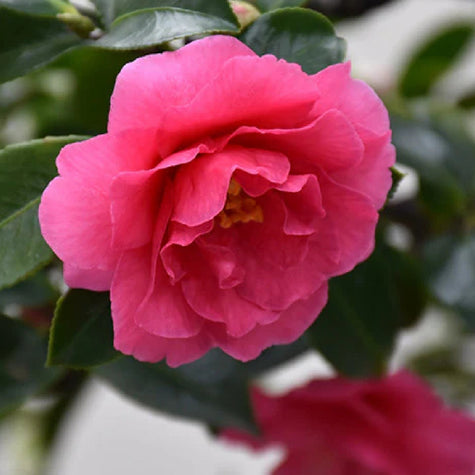
Once camellias finish flowering, they can be lightly pruned to remove damaged branches, improve shape, and manage size. Avoid severe pruning unless renovation is necessary.
Camellias form future flower buds during the growing season, so pruning soon after bloom gives them time to produce new growth and set buds for the following year.
After pruning, feed with a fertilizer labeled for camellias and other acid-loving plants. Apply according to label instructions and water the root zone afterward.
Refresh mulch with pine straw or bark to conserve moisture and maintain an even soil temperature. Keep mulch away from the trunk.
Add Spring-Flowering Trees
Spring-flowering trees provide a dramatic seasonal focal point and can add shade, structure, wildlife value, and curb appeal.
Dogwoods
Dogwoods offer graceful branching, spring flowers, fall color, and berries that support wildlife. They generally prefer morning sun or filtered light and well-drained soil rich in organic matter.
Flowering Cherries
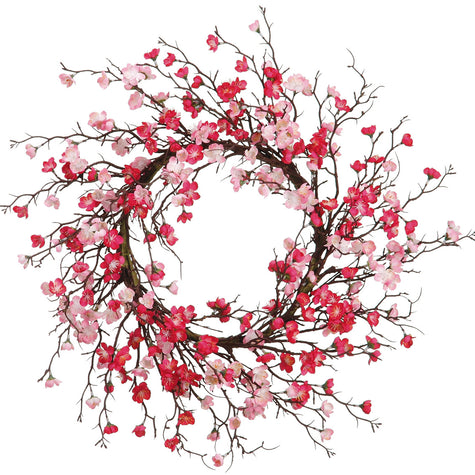
Flowering cherries create clouds of pink or white blossoms and work best where their mature canopy can be appreciated from a distance.
Weeping Peach
Weeping peach combines spring flowers with an elegant cascading form. It can become a distinctive specimen in a front yard, courtyard, or mixed border.
Plant flowering trees according to mature size and avoid crowding them with large shrubs. Provide consistent moisture during establishment and prune only as needed to remove damaged or crossing branches.
Choose Shrubs for Southern Gardens
Well-chosen shrubs provide structure, flowers, fragrance, privacy, and seasonal interest. March is an excellent time to add shrubs before summer temperatures rise.
Hydrangeas
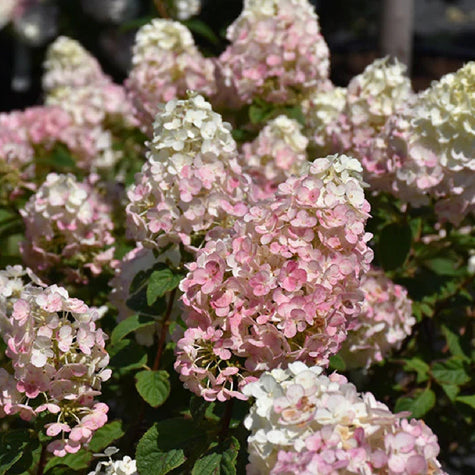
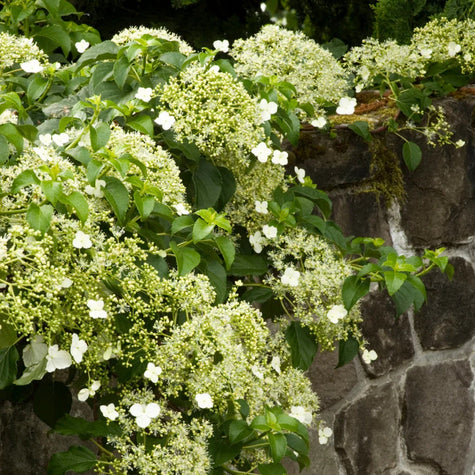
Hydrangeas are available in several types with different light, pruning, and moisture needs. Bigleaf hydrangeas produce large blue, pink, or purple flowers, while panicle and smooth hydrangeas generally tolerate more sun and bloom on new growth.
Gardenias
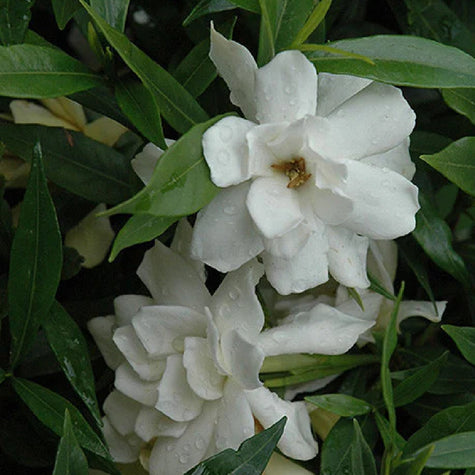
Gardenias provide glossy evergreen foliage and fragrant white flowers. Plant them in well-drained acidic soil with bright light and protection from harsh conditions.
Viburnums
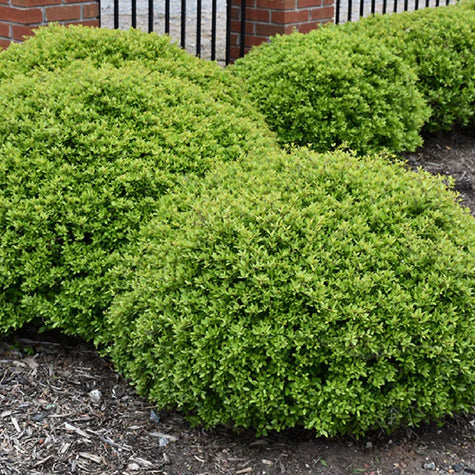
Viburnums can provide spring flowers, fragrance, berries, evergreen foliage, or fall color depending on the type. Their varied sizes make them useful for screening, mixed borders, and foundation plantings.
Deutzia
Deutzia offers masses of spring flowers and can be used in shrub borders or as a graceful flowering accent.
Carolina Jessamine and Madison Jasmine
These flowering vines add fragrance and vertical color to structures. Give them room to climb and provide support that can handle their mature growth.
Plant Fruit Trees and Strawberries
March is an excellent time to expand the edible landscape with apples, peaches, plums, strawberries, and other fruiting plants.
Fruit Trees
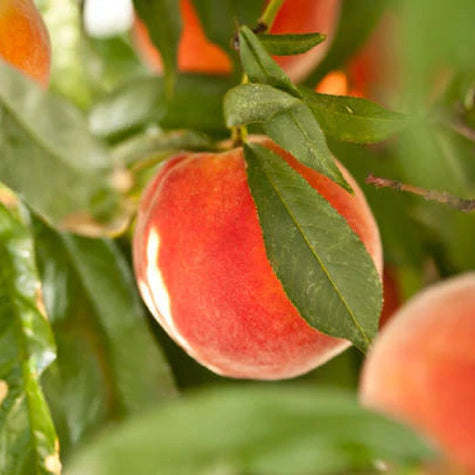
Choose fruit trees suited to local chill-hour requirements and confirm whether a pollinating partner is needed. Apples and plums may require another compatible variety, while many peaches are self-fruitful.
Red Delicious apple, Belle of Georgia peach, and Bruce plum are examples of fruit trees grown in Southern gardens. Plant in full sun with good air circulation and well-drained soil.
Strawberries
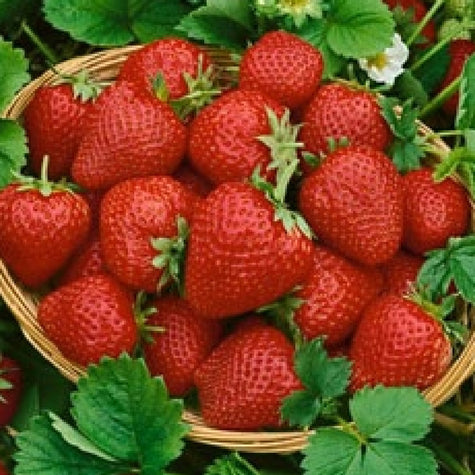
Mid to late March is a good planting window for strawberries in many areas. Grow them in raised beds, garden rows, containers, towers, or hanging baskets.
Strawberries need generous sunlight, rich well-drained soil, and consistent moisture. Keep the crown at soil level rather than burying it deeply.
Mulch around strawberry plants to keep fruit cleaner, reduce weeds, and conserve soil moisture.
Start the Vegetable Garden
March brings the beginning of the spring vegetable season. Cool-season crops can continue growing while warm-season plants begin arriving for planting after frost danger passes.
Cool-Season Vegetables
Lettuce and other leafy greens prefer cool temperatures and can be planted in beds or containers. Mesclun blends offer a mix of leaf shapes, colors, and flavors.
Tomatoes and Peppers
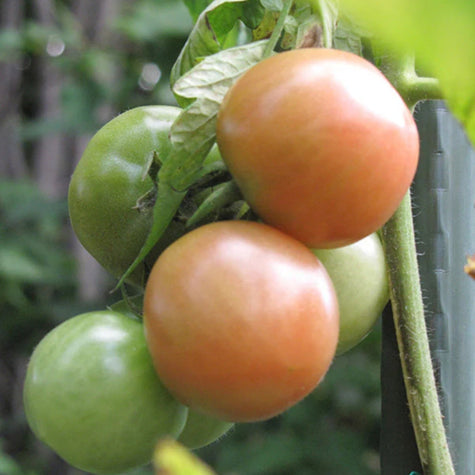
Tomatoes and peppers need warm soil and frost-free weather. Plants may be available in March, but planting time should be based on local conditions rather than the calendar alone.
Early Girl and Better Boy are examples of popular tomato varieties. Plant tomatoes in full sun with rich, well-drained soil and install cages or stakes at planting time.
Herbs
Rosemary, thyme, parsley, mint, and other herbs can be grown in beds or containers. Mint spreads aggressively and is often easier to manage in a pot.
Before planting, add finished compost and loosen compacted soil. Avoid working heavy clay when it is saturated because this can damage soil structure.
Plant Spring Perennials
Perennials planted in March have time to establish before summer heat. Choose plants based on sunlight, drainage, mature size, and bloom season.
Peonies
Peonies are valued for large spring flowers and long garden life. They need good drainage, generous sunlight, and proper planting depth. In warmer Southern areas, choose varieties suited to the climate and provide afternoon protection.
Hostas
Hostas provide bold foliage in shaded gardens. Patriot is known for green leaves with bright variegated margins. Combine hostas with ferns, hellebores, heuchera, carex, and Japanese maples.
Echinacea
Echinacea produces summer flowers that attract pollinators and provide seed for birds. Plant in full sun with good drainage.
Dianthus
Dianthus offers bright flowers, fine-textured foliage, and fragrance. It performs best in sunny locations with excellent drainage.
Lavender
Lavender requires full sun, strong air circulation, and sharply drained soil. Avoid placing it in low areas that remain wet.
Hellebores, Carex, and Black Mondo Grass
These plants provide foliage and texture in part-shade gardens. Use them beneath Japanese maples, near azaleas, or along woodland paths.
Add Annual Color
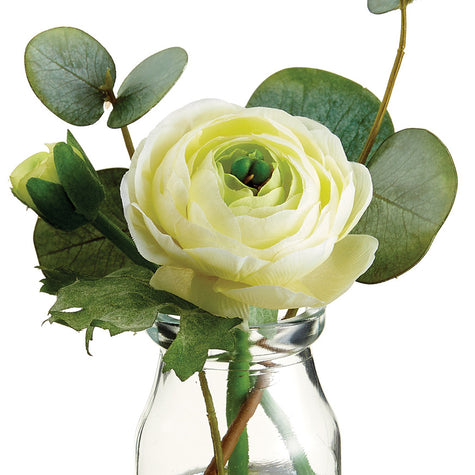
Annual flowers create immediate color in beds, containers, hanging baskets, and entry displays. March selections may include geraniums, nemesia, calibrachoa, osteospermum, lobelia, petunias, begonias, impatiens, and ranunculus.
Match each annual to its preferred light. Petunias, calibrachoa, geraniums, and osteospermum generally prefer generous sunlight. Begonias, impatiens, and torenia are useful for shadier areas.
SunPatiens tolerate more sun than traditional impatiens while still providing lush growth and continuous color.
Watch nighttime temperatures before planting tender annuals. Protect new plants if a late freeze is forecast.
Plan Summer-Flowering Bulbs
March is a good month to select summer bulbs and tubers such as gladiolus, cannas, iris, dahlias, lilies, caladiums, and elephant ears.
Dahlias and gladiolus need sun and good drainage. Cannas and elephant ears create tall, tropical foliage and need room to spread. Caladiums are grown primarily for colorful foliage and often perform well in filtered light.
In areas where late freezes are possible, wait until the soil has warmed and frost danger has passed before planting tender bulbs outdoors. Some can be started in containers in a protected location.
Plan bloom succession by combining plants with different flowering periods. Staggering gladiolus plantings can also extend the season of cut flowers.
Care for Spring-Flowering Bulbs
As daffodils, tulips, hyacinths, and other spring bulbs bloom, note their locations and evaluate the display. Photographs can help with future planting plans once the foliage disappears.
After flowering, remove spent blooms but leave the foliage in place until it turns yellow naturally. The leaves continue producing energy that is stored in the bulb for next year.
Feed bulb areas with a fertilizer labeled for bulbs, following the recommended rate. Avoid overfertilizing or applying fertilizer directly against foliage.
Do not braid, tie, or cut green leaves prematurely. Conceal fading foliage with emerging perennials or nearby groundcovers.
Design Spring Container Gardens
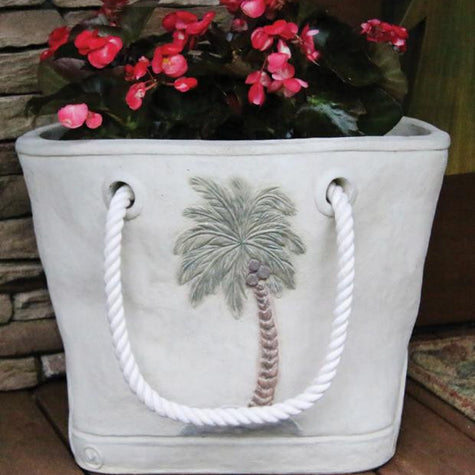
Container gardens bring color to patios, porches, balconies, entries, and small spaces. The thriller, filler, and spiller method creates a balanced arrangement.
Thrillers
Thrillers provide height and a strong focal point. Dracaena, majesty palm, tall grasses, and upright tropical plants can fill this role.
Fillers
Fillers create body around the central plant. Sun-loving choices include calibrachoa, petunias, geraniums, and SunPatiens. For shade, consider begonias, New Guinea impatiens, and torenia.
Spillers
Spillers trail over the edge of the container. Sweet potato vine, creeping Jenny, lobelia, browallia, and trailing carex can soften the design.
Choose plants with similar sunlight and watering needs. Use a quality potting mix and containers with drainage holes.
For a more modern look, fill the container with one plant variety. A large group of petunias, SunPatiens, geraniums, or ferns can create a strong visual statement.
Prepare the Lawn for Spring
March lawn care depends on grass type and the condition of the lawn. Identify whether the lawn is fescue, Bermuda, zoysia, centipede, or another grass before fertilizing, seeding, or applying weed control.
Reseed Fescue Carefully
Bare areas in fescue lawns can be reseeded as temperatures begin warming, although fall remains the preferred season for major renovation. Loosen the soil surface, apply seed evenly, and keep the area consistently moist during germination.
Choose Between Seeding and Pre-Emergent
Standard pre-emergent herbicides prevent grass seed from germinating. Do not apply crabgrass preventer in an area where fescue seed will be planted unless the label specifically allows it.
Prepare the Mower
Sharpen or replace mower blades before regular mowing begins. Dull blades tear grass rather than cutting cleanly, leaving brown tips and increasing stress.
Installing Sod
March can be a good time to install sod as temperatures warm. Choose a grass suited to the site. Bermuda generally prefers full sun, while some turf types offer greater tolerance for partial sun.
Prepare the soil carefully, lay sod tightly, roll it for good contact, and water according to establishment needs.
Control Crabgrass, Poison Ivy, and Kudzu
Early March may be the final practical window for applying a pre-emergent crabgrass preventer in many areas. Apply before summer weed seeds germinate and follow all label directions.
Poison ivy and kudzu become easier to identify as new foliage emerges. Young, actively growing vines may respond more effectively to appropriately labeled control products.
Never burn poison ivy because the irritating oil can become airborne in smoke. Wear protective clothing and avoid touching leaves, stems, roots, tools, or contaminated gloves with bare skin.
Kudzu often requires repeated control over time. Cutting vines alone may not eliminate established root crowns. Follow the selected product’s label and local guidance.
Refresh Houseplants
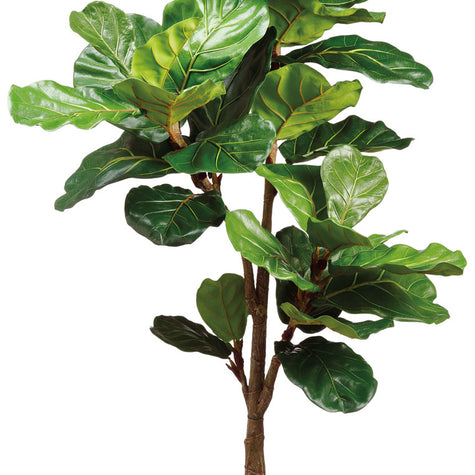
As daylight increases, many houseplants begin active growth. March is a good month to inspect plants, resume feeding gradually, and repot rootbound specimens.
Use a fertilizer formulated for houseplants and follow label directions. Do not fertilize plants that are stressed, severely dry, or showing signs of root damage.
Repot when roots circle the pot, emerge from drainage holes, or cause the plant to dry unusually quickly. Move up only one container size and use fresh potting mix.
Houseplants that spend summer outdoors may need larger containers, but move them outside gradually after frost danger passes. Begin in a shaded, protected location and increase light exposure over one to two weeks.
Even sun-loving indoor plants can scorch if moved directly into outdoor sunlight without acclimation.
Welcome Birds and Pollinators
Prepare for Bluebirds
Bluebirds are common throughout the South but are selective about nesting sites. Install or clean bluebird houses before nesting activity increases.
Place houses in open areas with scattered trees and short grass. Keep the entrance facing away from prevailing weather when possible and monitor for invasive nesting species.
Feed Hummingbirds
Put hummingbird feeders out as migration approaches. Use a simple solution of one part plain white sugar to four parts water. Red dye is unnecessary.
Clean feeders regularly and replace nectar more frequently during warm weather. Mold or fermented nectar can harm hummingbirds.
Add Nectar Plants
Annuals, perennials, shrubs, and vines can provide natural nectar. Echinacea, lantana, verbena, salvia, Carolina jessamine, and flowering vines help create a pollinator-friendly landscape.
Create an Outdoor Living Space
Spring is a natural time to refresh patios, porches, and gathering spaces. Begin by defining how the area should function—dining, relaxing, entertaining, gardening, or a combination.
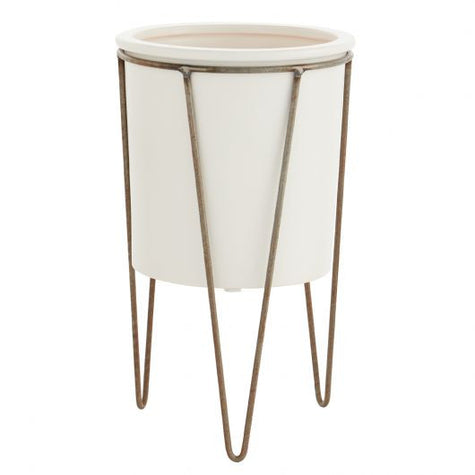
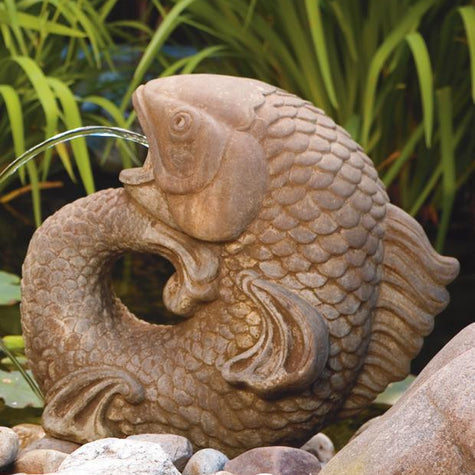
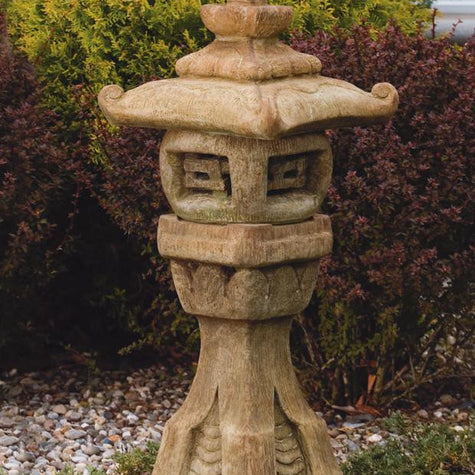
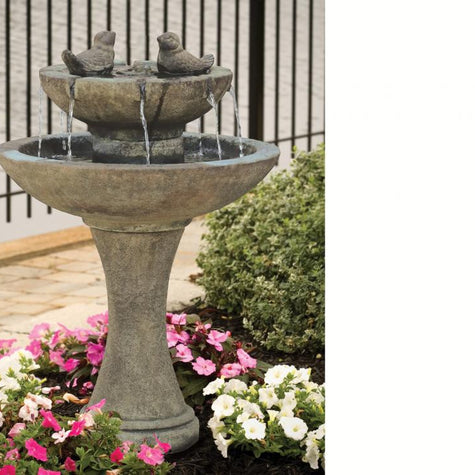
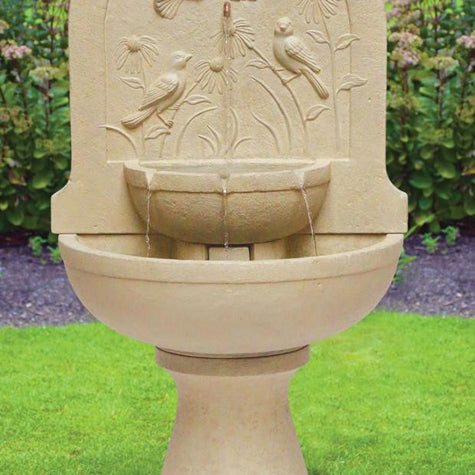
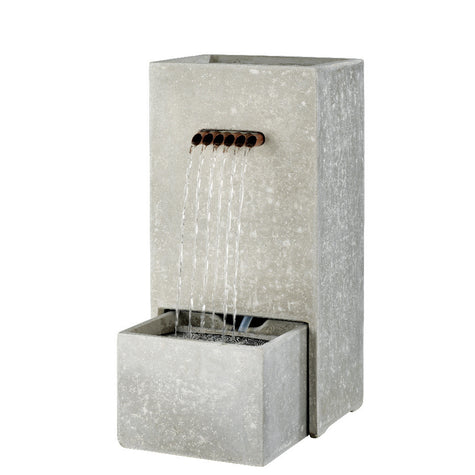
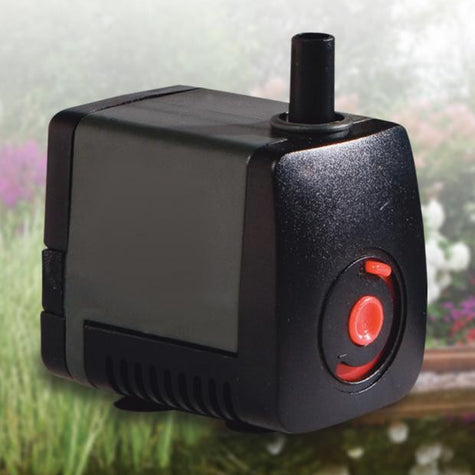
Use containers and hanging baskets to soften hard surfaces and connect the patio to the surrounding landscape. Fountains can add movement and sound, while statuary or decorative pottery creates a focal point.
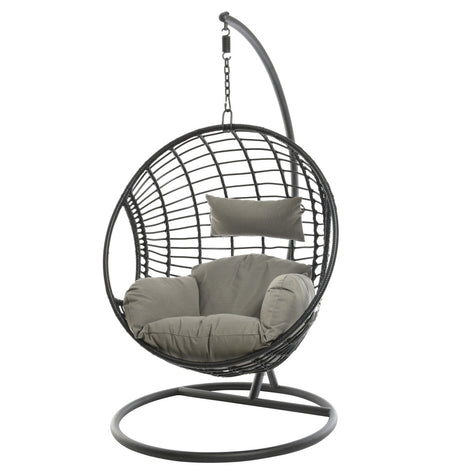
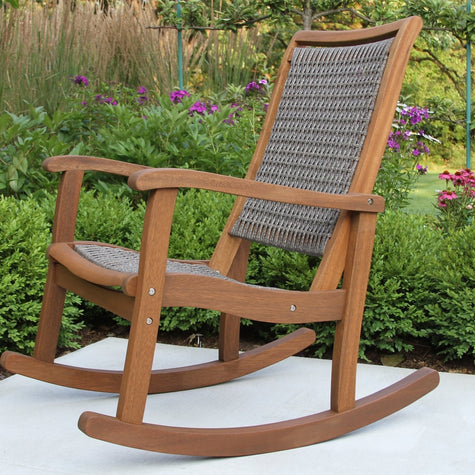
Choose outdoor furniture sized appropriately for the space and leave comfortable paths for movement. Consider shade, afternoon sun, drainage, and views from inside the home.
Plan Your Landscape
March is an excellent time to begin a landscape project, but thoughtful planning is essential before purchasing large quantities of plants.
Start by identifying priorities such as privacy, curb appeal, drainage, outdoor entertaining, pollinator habitat, or lower maintenance. Evaluate sunlight and mature plant size throughout the property.
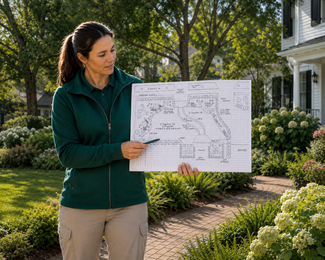
A professional landscape plan can organize trees, shrubs, perennials, pathways, patios, and lawn areas into a cohesive design while helping prevent expensive planting mistakes.
Bring Your Spring Garden Vision to Life
A Pike landscape designer can visit your property, discuss your goals, and create a personalized plan suited to your home, lifestyle, and local growing conditions.
Explore Landscape DesignMarch Garden Checklist
- Plant trees, shrubs, vines, and perennials.
- Add Japanese maples in protected, well-drained locations.
- Plant azaleas, rhododendrons, and pieris in acidic soil.
- Prune camellias lightly after flowering.
- Feed camellias and other acid-loving plants as appropriate.
- Plant dogwoods, flowering cherries, and weeping peaches.
- Add hydrangeas, gardenias, viburnums, and deutzia.
- Plant fruit trees and confirm pollination needs.
- Plant strawberries in sunny beds or containers.
- Prepare vegetable beds with compost.
- Plant cool-season vegetables and herbs.
- Wait for frost-free weather before planting tomatoes and peppers outdoors.
- Plant peonies, hostas, echinacea, dianthus, and lavender.
- Add annual color while monitoring late-freeze forecasts.
- Purchase summer bulbs and plan planting locations.
- Feed spring-flowering bulb areas after bloom.
- Leave bulb foliage until it yellows naturally.
- Create containers using thrillers, fillers, and spillers.
- Reseed bare areas in fescue lawns if appropriate.
- Do not apply standard pre-emergent where grass seed will be planted.
- Sharpen mower blades.
- Apply crabgrass preventer before weeds germinate.
- Control poison ivy and kudzu as new growth appears.
- Fertilize and repot actively growing houseplants.
- Acclimate houseplants gradually before moving them outdoors.
- Install or clean bluebird houses.
- Clean and fill hummingbird feeders.
- Begin landscape and outdoor living projects.
Frequently Asked Questions
Find answers to common questions about March planting, lawn care, azaleas, camellias, fruit trees, strawberries, vegetables, summer bulbs, houseplants, and backyard birds in Georgia and the Carolinas.
Is March a good time to plant trees and shrubs?
Yes. March offers mild temperatures and active root growth, giving many trees and shrubs time to establish before summer heat.
When should I prune camellias?
Prune camellias lightly after they finish flowering. This allows time for new growth and future flower buds to develop.
Can I plant strawberries in March?
Yes. Mid to late March is a good planting period in many areas. Choose a sunny location with well-drained soil and keep the crown at soil level.
When can tomatoes and peppers be planted outside?
Plant after the danger of frost has passed and soil temperatures have warmed. Local timing varies throughout Georgia and the Carolinas.
Should I reseed fescue or apply crabgrass preventer?
You usually need to choose one for the same area. Standard pre-emergent products prevent fescue seed from germinating unless the label specifically states otherwise.
When should summer bulbs be planted?
Purchase them in March, but wait to plant tender bulbs and tubers until the soil warms and the danger of frost has passed.
Can I move houseplants outdoors in March?
Wait until frost danger has passed, then acclimate plants gradually in a shaded, protected location before exposing them to stronger light.
How should I care for spring bulb foliage after flowering?
Remove spent blooms but leave green foliage until it yellows naturally. The leaves replenish energy stored in the bulb for next year.
When should hummingbird feeders go outside?
Put feeders out as spring migration approaches. Clean them regularly and use one part plain white sugar to four parts water.
Do Japanese maples need full sun?
Most perform best with morning sun or filtered light and protection from intense afternoon heat, especially in warmer Southern climates.
Welcome Spring with a Strong Start
March is the month when the garden begins moving quickly. Planting trees and shrubs, preparing lawns, adding spring color, starting vegetables, refreshing containers, and supporting birds and pollinators can create a beautiful and productive growing season.
