






May Gardening Guide: Grow More Color, Food & Summer Beauty
May is when gardens throughout Georgia and the Carolinas begin transitioning from spring into summer. Warm-season vegetables are growing quickly, annual flowers are filling beds and containers, roses and hydrangeas are blooming, and pollinators are becoming increasingly active.
This is the month to plant heat-loving annuals, summer vegetables, long-blooming perennials, tropical vines, roses, shrubs, fruiting plants, and warm-season lawns. It is also time to maintain tomatoes, mulch garden beds, move houseplants outdoors, support backyard birds, and prepare patios for summer living.
What’s Taking Root This Month
Your May priorities at a glance.
- Plant heat-loving annuals such as zinnias, marigolds, celosia, vinca, begonias, and portulaca.
- Keep tomatoes on a consistent watering and feeding schedule.
- Plant okra, eggplant, peppers, pumpkins, sweet potatoes, melons, Southern peas, beans, and peanuts.
- Add long-blooming perennials such as coneflowers, daylilies, Shasta daisies, salvia, and bee balm.
- Use mandevilla, bougainvillea, hibiscus, and citrus for tropical summer color.
- Feed roses and azaleas as appropriate to support healthy growth and repeat flowering.
- Mulch beds to conserve moisture, regulate soil temperature, and suppress weeds.
- Move houseplants outdoors gradually into bright shade.
- Fertilize centipede conservatively and sow warm-season grasses after the soil warms.
- Plant lantana, milkweed, verbena, bee balm, and butterfly bush for pollinators.
- Keep bird feeders filled and provide clean water for drinking and bathing.
- Wear sun protection and stay hydrated while gardening.
What You’ll Find in This May Garden Guide
Why May Is an Important Gardening Month
May is when warm-season growth accelerates. Soil temperatures are high enough for summer vegetables and grasses, while longer days support vigorous flowering and fruit production.
As temperatures rise, newly planted gardens need more consistent attention. Watering, mulching, feeding, and pest monitoring become increasingly important. Containers and raised beds can dry quickly, while crowded foliage may create conditions that favor disease.
Use this month to finish major planting projects before the most intense summer heat arrives. Choose plants suited to the site, water deeply during establishment, and give each plant enough room to reach its mature size.
Plant Heat-Loving Annual Color
There is still plenty of time to add annual flowers for spring and summer enjoyment. As cool-season annuals decline, replace them with varieties that tolerate heat and strong sunlight.
Annuals for Full Sun
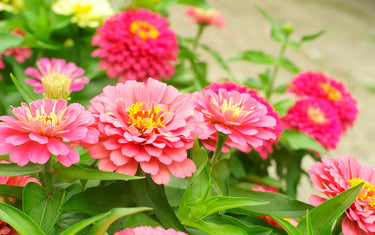
Zinnias, marigolds, celosia, portulaca, vinca, angelonia, pentas, lantana, and SunPatiens provide months of color when matched to the right location.
Vinca and portulaca are especially useful in hot, sunny areas with well-drained soil. Angelonia produces upright flower spikes, while pentas attracts butterflies and hummingbirds.
Annuals for Shade
Begonias, impatiens, coleus, and other shade-loving annuals bring color to porches, woodland beds, and protected patios. Keep soil evenly moist but not saturated.
Seasonal Color Combinations
Red, white, and blue displays can be created with angelonia, pentas, salvia, evolvulus, petunias, vinca, hydrangeas, and decorative containers. Group plants with similar light and moisture needs.
Keep Tomatoes Productive
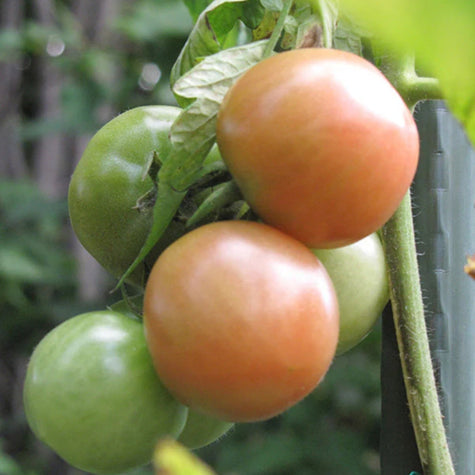
By May, tomato plants are growing quickly and beginning to flower or set fruit. Consistent care now supports a larger harvest through summer.
Water Consistently
Tomatoes need even soil moisture. Allowing the soil to become very dry and then soaking it heavily can contribute to cracking, blossom-end rot, and stress. Water deeply at the root zone and adjust frequency based on rainfall, temperature, and soil type.
Feed on Schedule
Use a fertilizer labeled for tomatoes or vegetables and follow package directions. Excess nitrogen may encourage leaves at the expense of flowers and fruit.
Support Growing Plants
Secure stems to cages, stakes, or trellises as plants grow. Remove leaves that touch the soil and damaged foliage, but avoid excessive pruning that exposes fruit to sunscald.
Watch for Problems
Inspect leaves for aphids, whiteflies, hornworms, mites, leaf spots, and early blight. Begin with sanitation and hand removal when practical, then select a control labeled for the specific problem if needed.
Plant Summer Vegetables
May is an excellent month to plant vegetables that thrive in warm soil and hot weather.
Okra
Okra prefers full sun, warm soil, and regular harvesting. Pods become tough if left too long, so check plants frequently once production begins.
Peppers and Eggplant
Peppers and eggplant need full sun, warm temperatures, and consistent moisture. Avoid excessive nitrogen, which may delay fruit production.
Sweet Potatoes
Sweet potatoes are planted from slips and need loose, well-drained soil. Give vines room to spread and wait until the soil is thoroughly warm.
Watermelon and Other Melons
Melons need full sun, warm soil, and plenty of space. Plant them where vines can spread without covering walkways or crowding smaller crops.
Southern Peas, Beans, and Peanuts
Black-eyed peas, butter peas, butter beans, and peanuts perform well in hot conditions. Provide trellising for climbing forms and harvest beans regularly.
Plant Pumpkins for Fall
Late May begins pumpkin-planting season for many fall harvest goals. The correct timing depends on the variety’s days to maturity and the desired harvest date.
Large pumpkins such as Big Max need substantial space, while pie, carving, and specialty types can fit more easily into home gardens. Cinderella, Jackpot, Sugar Pie, and dark-skinned varieties offer different shapes, colors, and uses.
Plant pumpkins in full sun with rich, well-drained soil. Give vines ample room, water at the base, and avoid spraying insecticides while flowers are open and pollinators are active.
Add Long-Blooming Perennials
Perennials planted in May can provide color for years when matched to the site and watered consistently during establishment.
Daylilies
Daylilies are durable, adaptable, and available in many colors. Most flower best in full sun but tolerate light shade.
Coneflowers and Shasta Daisies
Echinacea attracts bees, butterflies, and birds, while Shasta daisies provide classic white summer flowers. Both prefer good drainage and generous sunlight.
Salvia, Bee Balm, and Verbena
Salvia, monarda, and perennial verbena provide nectar for pollinators and extended bloom when spent flowers are removed.
Rose of Sharon
Rose of Sharon blooms through summer and can serve as a flowering accent, screen, or narrow vertical element. Choose named, well-behaved varieties and provide space for mature growth.
Grow Lavender Successfully
Lavender brings fragrance, flowers, silvery foliage, and pollinator activity to sunny gardens. Its most important requirement is excellent drainage.
English Lavender
English lavender selections such as Phenomenal and SuperBlue are valued for fragrance and flower production. Phenomenal is often selected for improved heat and humidity tolerance.
Spanish Lavender
Spanish lavender, including Primavera and La Diva selections, has distinctive flower bracts and performs well in sunny containers and well-drained beds.
French Lavender
French lavender such as Provence is known for long flower spikes and strong fragrance. Provide full sun, good airflow, and lean soil.
Avoid planting lavender in low areas or heavy soil that remains wet. Water deeply during establishment, then allow the soil to dry somewhat between waterings.
Create a Tropical Paradise
Tropical plants create bold color and lush foliage during warm weather. Mandevilla, dipladenia, hibiscus, bougainvillea, citrus, and tropical houseplants can transform patios, mailboxes, trellises, and entrances.
Mandevilla and Dipladenia
Mandevilla is a vigorous climbing vine that needs a trellis or obelisk. Dipladenia has a more compact, mounding habit suited to containers and hanging baskets.
Bougainvillea
Bougainvillea thrives in strong sunlight and well-drained soil. It flowers best when it is not overwatered or overfertilized.
Hibiscus and Citrus
Tropical hibiscus produces large flowers throughout warm weather. Meyer lemon, lime, and other citrus can grow in large containers or protected garden locations. Both need strong sunlight and good drainage.
Feed Roses and Azaleas
Roses and reblooming azaleas benefit from proper feeding during active growth, but fertilizer should always be selected and applied according to plant needs and label instructions.
Roses
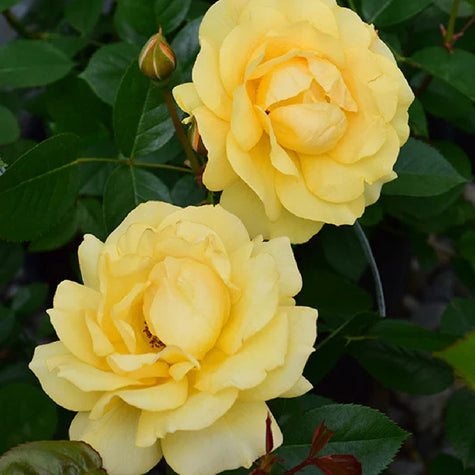
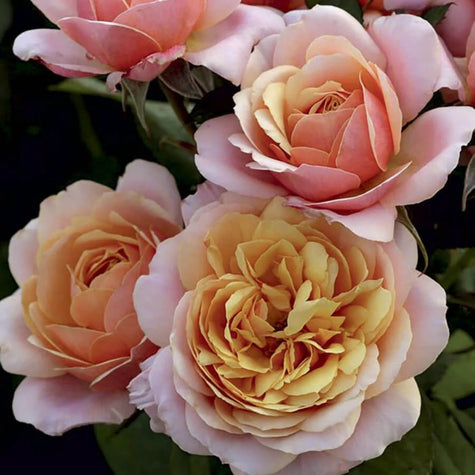
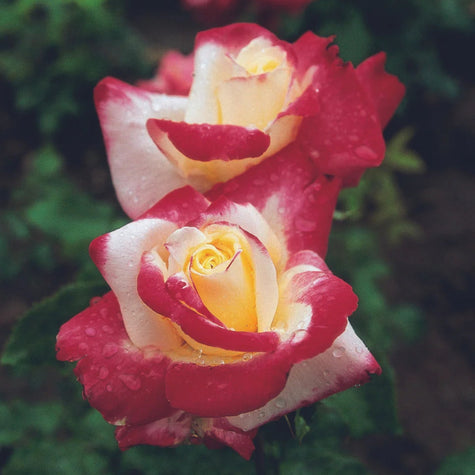
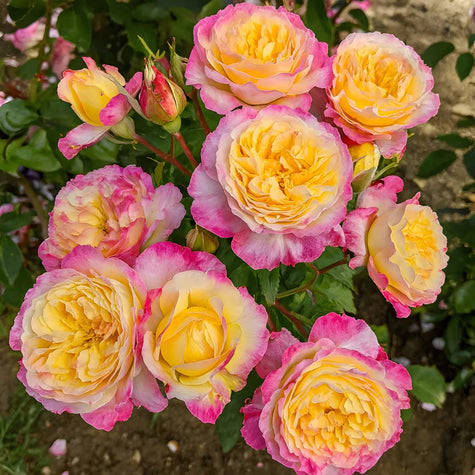
Feed roses after a flush of flowers to support continued growth and repeat bloom. Drift roses and other landscape roses can provide low-growing color along walkways, slopes, and borders.
Remove spent blooms as appropriate, water at the root zone, and monitor for black spot, aphids, mites, and Japanese beetles.
Azaleas
Feed azaleas with a product labeled for acid-loving plants when needed. Keep roots cool with mulch and avoid cultivating deeply around their shallow root systems.
Care for Hydrangeas
Hydrangeas need consistent moisture as temperatures rise. Deep watering and an even mulch layer help reduce heat stress and wilting.
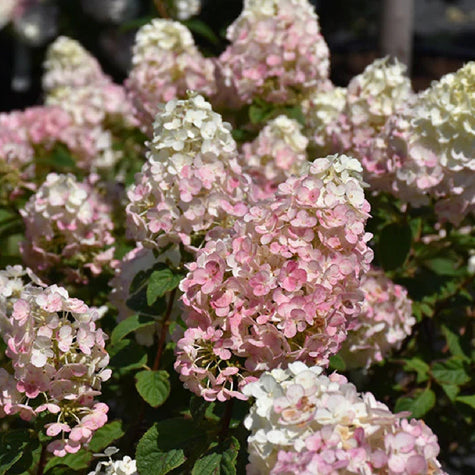
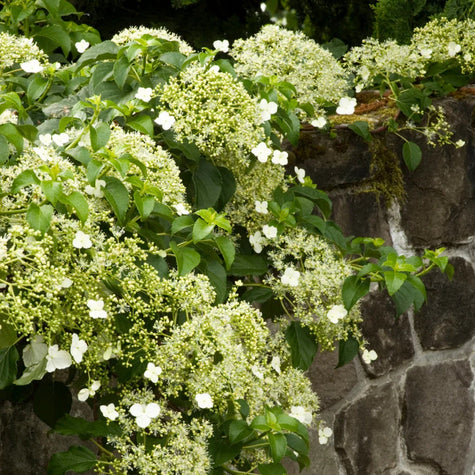
Nantucket Blue, Endless Summer, Hi Fire, Dream Cloud, Centennial Ruby, and other hydrangeas vary in color, size, and reblooming ability. Confirm mature size and pruning requirements before planting.
Bigleaf hydrangeas generally prefer morning sun and afternoon shade. Avoid heavy pruning unless the plant’s bloom habit is known.
Build a Pollinator Paradise
May is one of the best months to create or expand a pollinator garden. Plant a range of annuals, perennials, shrubs, and herbs that flower at different times.
Lantana
Miss Huff, Chapel Hill, Mary Ann, and other lantanas produce nectar-rich flowers that attract hummingbirds and butterflies. Miss Huff is especially valued for vigorous growth and cold tolerance in many Southern gardens.
Milkweed and Bee Balm
Milkweed is a host plant for monarch caterpillars and provides nectar for adult butterflies. Bee balm attracts bees, butterflies, and hummingbirds but benefits from good airflow.
Butterfly Bush, Echinacea, and Salvia
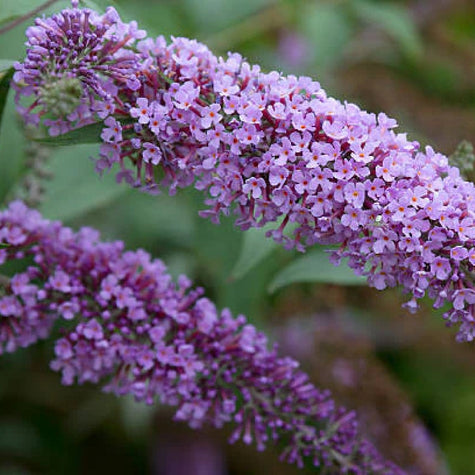
Butterfly bush, coneflowers, salvia, verbena, pentas, and yarrow provide long-lasting nectar. Choose compact or non-invasive selections when available.
Add a shallow water source or butterfly puddling area and avoid broad-spectrum pesticides that may harm beneficial insects.
Grow Fruit Trees, Figs, and Berries
Fruit trees, figs, blueberries, raspberries, and citrus can add food production to ornamental landscapes.
Compact figs such as Little Miss Figgy work in smaller gardens and large containers. Blueberries need acidic soil and often produce better crops with a compatible second variety nearby.
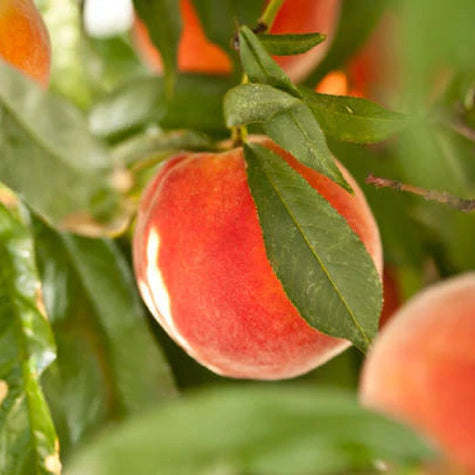
Apples, peaches, pears, and other fruit trees need full sun, proper spacing, suitable chill-hour requirements, and compatible pollination when required.
Mulch for Moisture and Weed Control
A two- to three-inch mulch layer can reduce evaporation, moderate soil temperature, suppress weeds, and limit soil splashing onto foliage.
Use pine straw, shredded bark, pine bark nuggets, or another appropriate landscape mulch. Keep it several inches away from trunks, stems, and crowns.
Remove established weeds before adding fresh mulch. Placing mulch directly over mature weeds rarely solves the underlying problem.
Refresh Containers and Hanging Baskets
Containers and hanging baskets dry more quickly as temperatures rise. Check them daily and water when the upper layer of potting mix begins to dry.
Use a quality potting mix rather than native soil. Feed flowering containers according to label directions because frequent watering can wash nutrients from the pot.
For sun, consider lantana, angelonia, vinca, pentas, mandevilla, hibiscus, or ornamental grasses. For shade, use begonias, impatiens, hostas, coleus, ferns, and peace lilies in protected locations.
Move Houseplants Outdoors
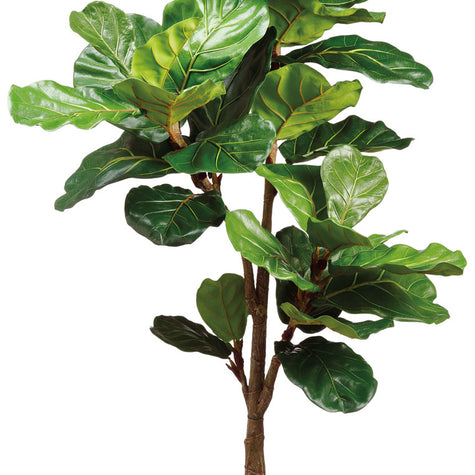
Many houseplants can spend summer outdoors once nighttime temperatures are consistently warm. Outdoor humidity and filtered light may encourage strong growth.
Move plants gradually. Begin in a shaded, protected location and introduce brighter conditions over one to two weeks. Direct outdoor sun can burn leaves that developed indoors.
Continue feeding monthly or according to the product label. Inspect plants regularly for aphids, scale, mealybugs, mites, slugs, and snails.
Care for Warm-Season Lawns
May is an important month for Bermuda, zoysia, centipede, and other warm-season lawns as they enter active growth.
Centipede Lawns
Centipede has relatively low fertilizer requirements. One appropriately timed application may be enough for the season. Excess nitrogen can weaken centipede and increase disease problems.
Sowing Warm-Season Grass
After mid-May, soil temperatures are often warm enough to seed Bermuda and centipede. Prepare the soil carefully and maintain consistent moisture during germination.
Disease and Weed Control
Warm, humid weather can encourage lawn disease. Avoid late-evening irrigation and use fungicides only when the turf type and symptoms indicate they are appropriate.
Apply lawn weed controls only when temperature, turf condition, and weed type match the label. Some products can damage lawns or nearby ornamentals during hot weather.
Manage Fire Ants Safely
Fire ants become more active as soil temperatures rise. Individual mound treatments may provide short-term control, while broadcast bait programs can help manage colonies across larger areas.
Use only products labeled for fire ants and follow all timing, watering, and safety directions. Keep children and pets away from treated areas as required by the label.
Support Backyard Birds
Keep feeders clean and offer several types of seed to attract a wider variety of birds. Black oil sunflower, safflower, millet, peanuts, and specialty blends appeal to different species.
Clean hummingbird feeders frequently and use one part plain white sugar to four parts water. Replace nectar more often during hot weather.
Provide a birdbath or shallow water source and refresh the water regularly.
Offer Safe Nesting Materials
Birds may use natural materials such as dry grass, pine needles, small twigs, and untreated plant fibers. Avoid dryer lint, long yarn, fishing line, human hair, and synthetic fibers because they may retain moisture or create entanglement hazards.
Create a Summer Outdoor Retreat
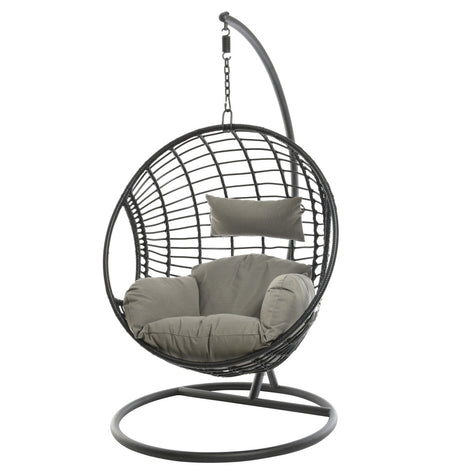
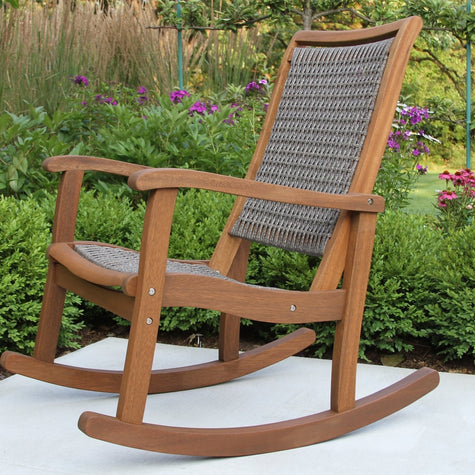
May is ideal for preparing patios, porches, and decks for summer gatherings. Arrange furniture around the way the area will be used, whether for dining, conversation, reading, or entertaining.
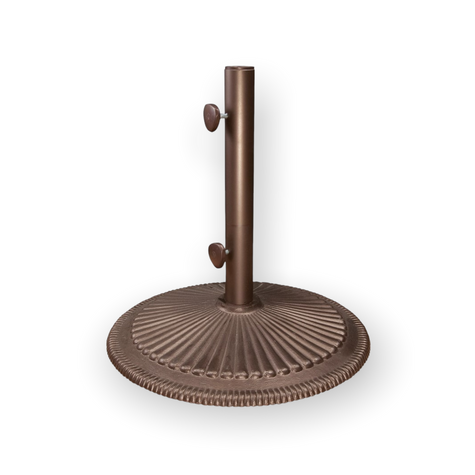
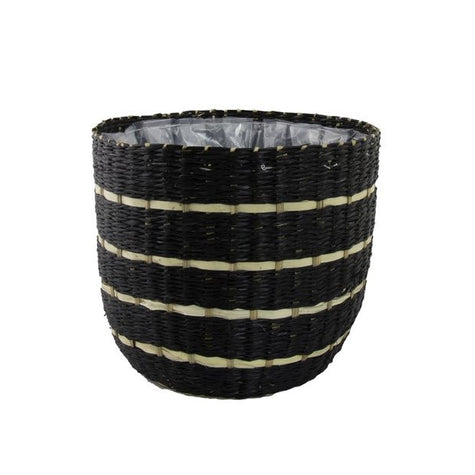
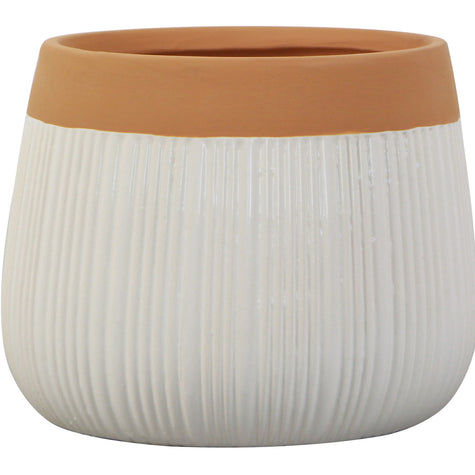
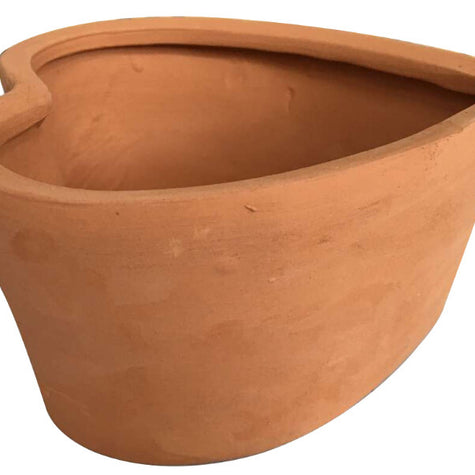
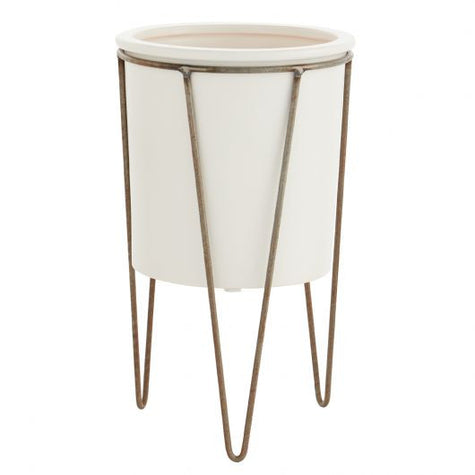
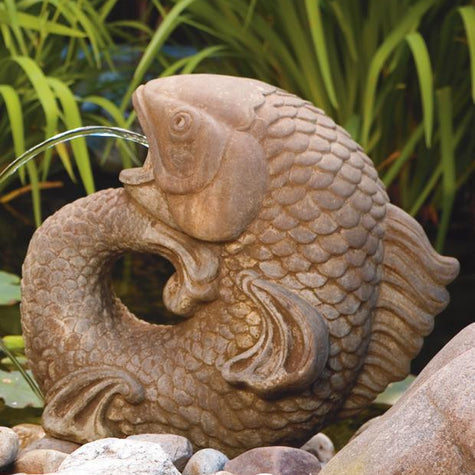
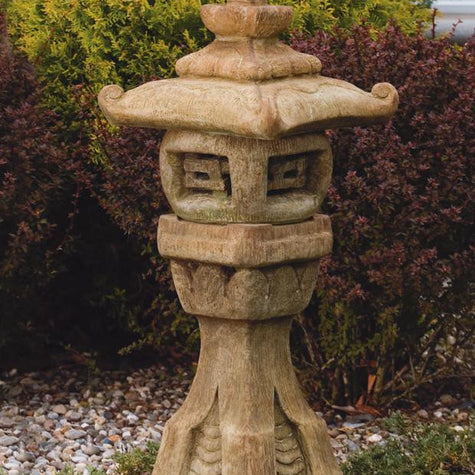
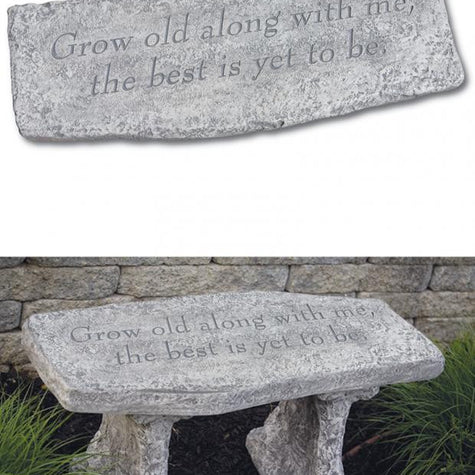
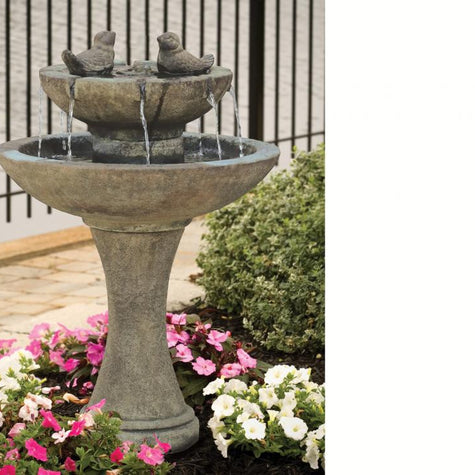
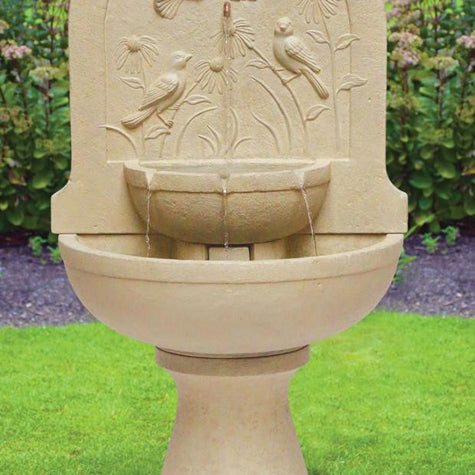
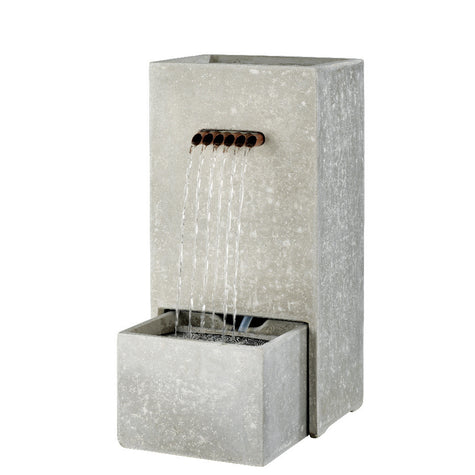
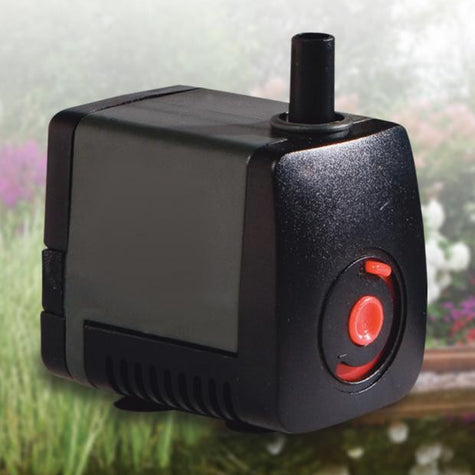
Use patio umbrellas and shade structures for comfort. Add pillows, lighting, pottery, fountains, statuary, birdbaths, and containers for a more finished space.
Small bistro sets fit compact patios, while larger dining and deep-seating groups support outdoor meals and gatherings.
Garden Safely in the Heat
May sun and humidity can make gardening physically demanding. Work during cooler morning or evening hours whenever possible.
Wear a wide-brimmed hat, sunscreen, lightweight protective clothing, gloves, and supportive footwear. Drink water regularly and take breaks in the shade.
Plan Your Landscape
May is a good time to evaluate which parts of the landscape need more shade, color, privacy, pollinator activity, or outdoor living space.
Before planting, consider mature plant size, sunlight, drainage, maintenance needs, views from the home, and how people move through the property.
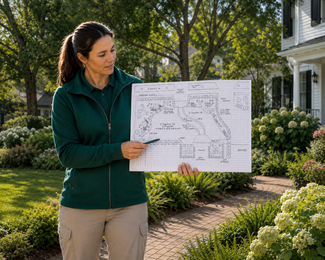
A professional landscape plan can organize trees, shrubs, perennials, patios, walkways, and lawn areas into a cohesive design while helping prevent costly planting mistakes.
Bring Your Outdoor Vision to Life
A Pike landscape designer can visit your property, discuss your goals, and create a personalized plan suited to your home, lifestyle, and local growing conditions.
Explore Landscape DesignMay Garden Checklist
- Plant zinnias, marigolds, celosia, vinca, portulaca, angelonia, and pentas.
- Replace declining spring annuals with heat-tolerant summer color.
- Water tomatoes deeply and consistently.
- Feed tomatoes and vegetables according to label directions.
- Secure tomato plants to cages, stakes, or trellises.
- Plant okra, peppers, eggplant, sweet potatoes, melons, peanuts, peas, and beans.
- Plant pumpkins according to each variety’s days to maturity.
- Plant daylilies, coneflowers, Shasta daisies, salvia, bee balm, and verbena.
- Add Rose of Sharon for summer flowers and vertical structure.
- Plant lavender in full sun and sharply drained soil.
- Add mandevilla, dipladenia, hibiscus, bougainvillea, and citrus.
- Provide trellises or obelisks for climbing vines.
- Feed roses after a flowering cycle as appropriate.
- Feed azaleas with an acid-loving fertilizer only when needed.
- Water hydrangeas deeply and maintain an even mulch layer.
- Plant lantana, milkweed, bee balm, butterfly bush, echinacea, and salvia.
- Provide shallow water for butterflies and pollinators.
- Plant figs, blueberries, raspberries, and fruit trees in suitable locations.
- Refresh mulch to a depth of two to three inches.
- Keep mulch away from stems and tree trunks.
- Check containers and hanging baskets frequently for moisture.
- Feed flowering containers according to label directions.
- Move houseplants outdoors gradually into bright shade.
- Inspect outdoor houseplants for pests.
- Fertilize centipede lawns conservatively.
- Sow Bermuda and centipede seed after the soil is warm.
- Monitor lawns for disease before applying fungicides.
- Use weed controls only when the label permits the temperature and turf type.
- Treat fire ants with a product labeled for the intended area.
- Clean and refill seed feeders.
- Refresh hummingbird nectar frequently during hot weather.
- Provide clean birdbath water.
- Offer natural nesting materials instead of dryer lint or long fibers.
- Refresh patios with furniture, umbrellas, pottery, lighting, and fountains.
- Wear sunscreen, a hat, and protective clothing while gardening.
- Drink water and take regular shade breaks.
- Begin planning larger landscape projects before peak summer heat.
Frequently Asked Questions
Find answers to common questions about May annuals, tomatoes, vegetables, pumpkins, lavender, roses, hydrangeas, pollinators, lawns, houseplants, and backyard birds in Georgia and the Carolinas.
What annual flowers can I plant in May?
Heat-loving choices include zinnias, marigolds, celosia, vinca, portulaca, angelonia, pentas, lantana, begonias, and SunPatiens.
How often should tomatoes be watered in May?
Water deeply when the upper soil begins to dry. Frequency depends on heat, rainfall, soil type, plant size, and whether the tomatoes are in containers or the ground.
What vegetables should I plant in May?
Plant warm-season crops such as okra, peppers, eggplant, sweet potatoes, pumpkins, watermelon, Southern peas, butter beans, and peanuts.
Is May too early to plant pumpkins?
Late May can be suitable for many fall pumpkins. Check the variety’s days to maturity and count backward from the desired harvest date.
Can houseplants stay outside all summer?
Many can, provided they are acclimated gradually, protected from excessive sun, watered appropriately, and brought inside before cold weather returns.
How do I keep lavender alive in Southern humidity?
Plant lavender in full sun with excellent drainage and strong airflow. Avoid heavy, wet soil, frequent irrigation, and thick mulch around the crown.
When should I fertilize centipede grass?
Apply fertilizer only after the lawn is fully green and actively growing. Centipede has low nutrient requirements, so avoid excessive nitrogen.
What flowers attract hummingbirds and butterflies?
Lantana, salvia, bee balm, milkweed, verbena, pentas, echinacea, butterfly bush, and flowering herbs are excellent choices.
Should I use dryer lint as bird nesting material?
No. Dryer lint can retain moisture and contain synthetic fibers or chemical residue. Offer dry grass, pine needles, and small twigs instead.
How much mulch should I put around plants?
Apply approximately two to three inches over the root zone and keep mulch several inches away from trunks, stems, and crowns.
Prepare Your Garden for Summer
May is the bridge between spring planting and summer care. By adding heat-loving flowers, maintaining vegetables, planting pollinator favorites, caring for lawns, refreshing containers, and protecting soil moisture, you can create a garden that remains colorful and productive through the hottest months.
