





November Gardening Guide: Fall Planting, Winter Preparation & Holiday Color
November brings cooler days, changing landscapes, and the beginning of the holiday season throughout Atlanta, Charlotte, and surrounding communities. Although growth begins to slow, the garden still offers many opportunities. Warm soil and cooler air make this an excellent time to plant trees, shrubs, perennials, and cool-season color while preparing lawns, containers, houseplants, and outdoor spaces for winter.
This month is about planting with purpose, protecting tender plants, maintaining healthy lawns, creating colorful holiday displays, and supporting birds and wildlife. With thoughtful watering, proper soil preparation, seasonal maintenance, and a few festive additions, your garden and home can remain vibrant throughout November and into winter.
What’s Taking Root This Month
Your November priorities at a glance.
- Continue planting trees, shrubs, evergreens, perennials, and ground covers.
- Refresh beds and containers with pansies, violas, cyclamen, snapdragons, and ornamental foliage.
- Finish fescue overseeding early in the month and maintain consistent moisture.
- Remove fallen leaves from lawns and planting beds.
- Prepare tender plants and containers for cold weather.
- Plant herbs and cool-season vegetables for winter harvests.
- Bring holiday color indoors with poinsettias, amaryllis, paperwhites, orchids, and Christmas cactus.
- Keep bird feeders and birdbaths clean and ready for winter visitors.
- Use mulch to protect roots and conserve soil moisture.
- Plan landscape improvements while fall planting conditions remain favorable.
What You’ll Find in This November Garden Guide
Why November Is Still a Great Time to Plant
November remains an excellent planting month across much of the Southeast. Cooler air temperatures reduce stress on newly installed plants, while the soil often stays warm enough for roots to continue growing. Trees, shrubs, perennials, and ground covers planted now can begin establishing before winter and may be better prepared for the heat of the following summer.
Fall planting can also reduce the amount of water needed compared with late spring or summer installation. Plants still require regular moisture while establishing, but cooler temperatures and shorter days generally slow evaporation.
Before planting, consider sunlight, drainage, mature plant size, and the overall purpose of the space. A well-planned landscape combines structural trees and shrubs with flowering plants, ground covers, and seasonal color.
Tip from Our Garden Experts
Water newly planted trees and shrubs thoroughly after installation, then check the root ball regularly. Even during cool weather, the original root ball can dry more quickly than the surrounding soil.
Plant Trees Before Winter
November is a favorable time to plant many shade, flowering, evergreen, and ornamental trees. Roots can begin establishing while the tree is entering dormancy, allowing it to focus energy below ground rather than supporting new leaves and flowers.
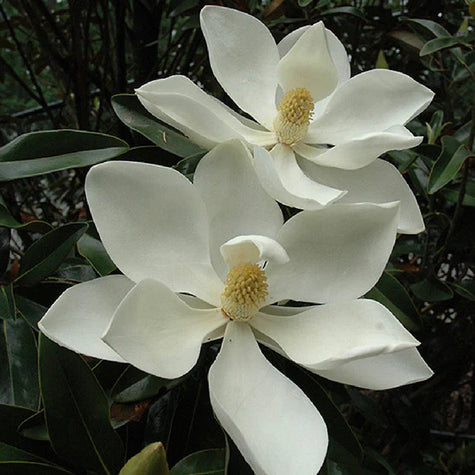
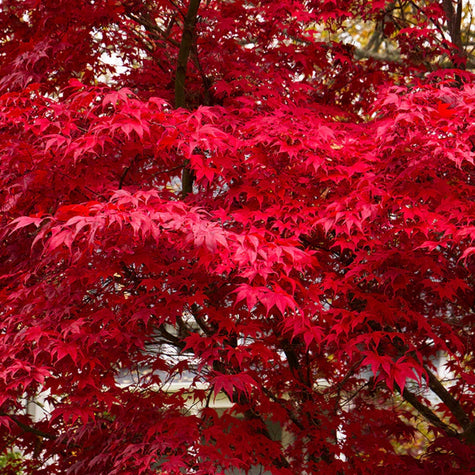
Maples such as October Glory and Autumn Blaze can provide brilliant fall foliage and future shade. Yoshino cherry trees add graceful form and spring flowers, while Little Gem magnolias offer evergreen foliage and fragrant blooms in a more compact form than traditional Southern magnolias.
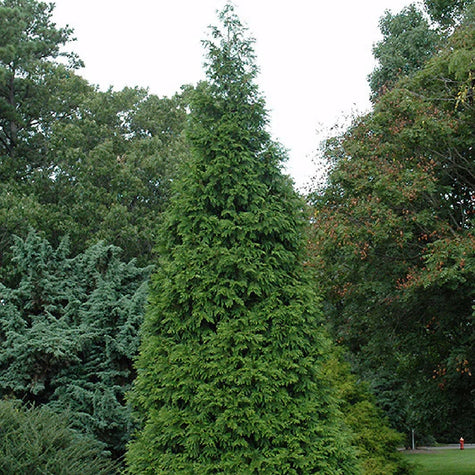
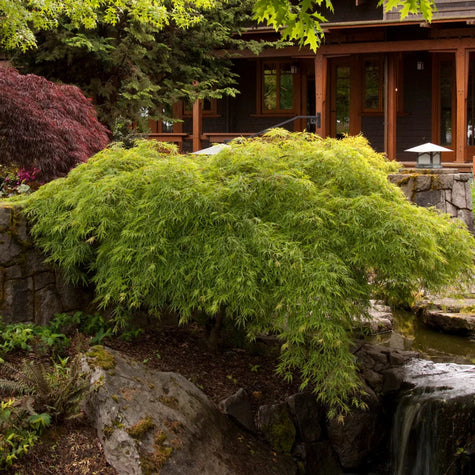
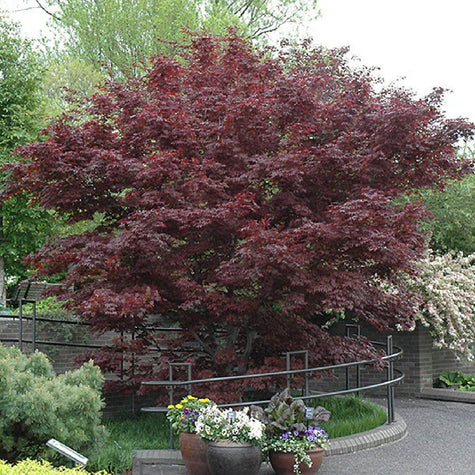
Green Giant arborvitae and other upright evergreens can create privacy, define property lines, or provide a year-round backdrop for flowering plants. Japanese maples such as Bloodgood, Crimson Queen, Red Dragon, and Orangeola work well as specimen plants in appropriately protected locations.
When selecting a tree, think beyond its appearance in the nursery. Consider mature height and width, distance from structures, overhead utility lines, nearby pavement, and the amount of sunlight and moisture available.
Evergreen Solutions for Four-Season Beauty
Evergreens create structure and continuity when deciduous plants lose their leaves. They can frame entrances, define garden rooms, soften foundations, provide privacy, and serve as a dependable background for seasonal color.
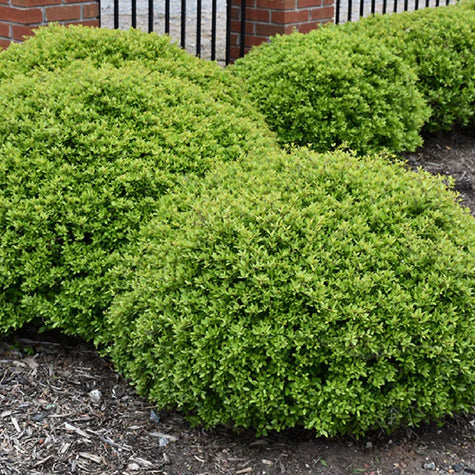
Southern landscapes offer many evergreen options, including hollies, boxwoods, cedars, junipers, spruces, arborvitae, distylium, tea olive, loropetalum, camellias, and nandina. Each plant has different light, moisture, and mature-size requirements, so careful placement is important.
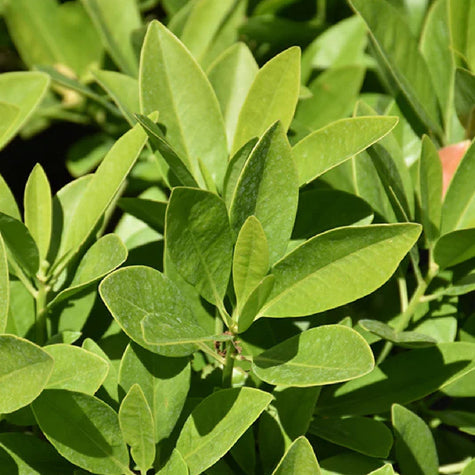
Compact hollies and boxwoods can form low borders or foundation groupings. Blue Point juniper, dwarf Alberta spruce, and selected cedars can add vertical form. Fragrant tea olive contributes evergreen screening and sweetly scented flowers, while distylium offers a durable, low-maintenance option for many Southern gardens.
When creating an evergreen planting, combine different leaf sizes, textures, and shades of green to keep the design visually interesting throughout the year.
Add Cool-Season Color
Replace tired summer annuals with plants that thrive in cooler temperatures. Pansies, violas, snapdragons, cyclamen, ornamental cabbage, ornamental kale, and heuchera can keep beds and containers colorful through late fall and winter.
Pansies and violas are reliable choices for garden beds, window boxes, hanging baskets, and color bowls. Snapdragons add height, while cyclamen bring refined flowers and patterned foliage to protected areas. Heuchera offers colorful leaves in shades ranging from green and caramel to burgundy, silver, and nearly black.
Ornamental cabbage and kale contribute bold texture and become more colorful as temperatures cool. Creeping Jenny, ivy, carex, and trailing pansies can soften the edges of containers and add movement.
November Color Favorites
- Pansies and violas
- Snapdragons
- Cyclamen
- Heuchera
- Hellebores
- Ornamental cabbage and kale
- Cool Wave trailing pansies
- Lemon cypress
- Evergreen herbs such as rosemary
Enjoy Camellias and Winter Blooms
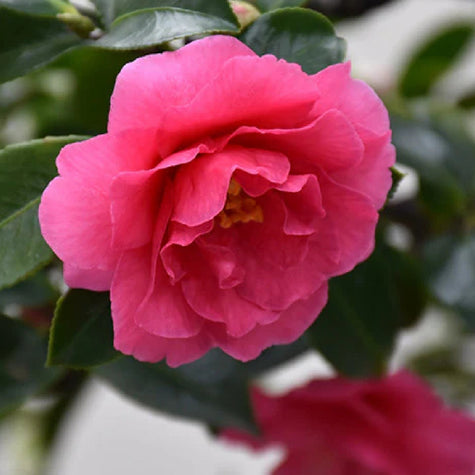
Camellias are among the most valuable flowering evergreens for Southern gardens. Their glossy foliage provides year-round structure, while flowers appear during fall, winter, or early spring depending on the species and variety.
Camellia sasanqua varieties such as Yuletide, Shishigashira, Autumn Rocket, and Hot Flash can bring welcome color as many other garden plants begin resting. Yuletide is especially festive, with vivid flowers and golden centers that fit naturally into holiday landscapes.
Plant camellias in well-drained, acidic soil with protection from harsh afternoon sun and drying winter winds. Avoid planting too deeply, and maintain mulch over the root zone without piling it against the trunk.
Hellebores are another excellent choice for cool-season interest. Their evergreen foliage and winter or early-spring flowers make them valuable additions to woodland gardens, shaded borders, and containers.
Create Holiday Containers
November is an ideal time to transition porch and patio containers from autumn displays into holiday arrangements. A well-designed container can combine living plants, evergreen texture, and seasonal accents.
Begin with a strong focal point such as lemon cypress, rosemary, small conifers, or an upright evergreen. Add fillers such as heuchera, cyclamen, pansies, violas, or ornamental cabbage. Finish with trailing ivy, Creeping Jenny, carex, or trailing pansies around the edge.
For a festive touch, incorporate natural branches, pinecones, berries, decorative stakes, ribbon, or outdoor-safe lights. Make sure the container has drainage holes and use a quality potting mix rather than garden soil.
Water containers thoroughly after planting and continue checking moisture during cool, windy weather. Containers can dry more quickly than in-ground beds, even when temperatures are low.
Improve Soil and Refresh Mulch
Good soil preparation supports healthy root growth and can improve long-term plant performance. When creating new beds or planting containers, choose a soil amendment or potting mix appropriate for the project.
Planting mixes can improve soil structure and organic content when used correctly. Potting mixes are designed for containers and provide the aeration and drainage that roots need. Root-supporting products such as Espoma Bio-tone may be used at planting when appropriate and according to label directions.
Refresh mulch around trees, shrubs, and perennials to a depth of approximately two to three inches. Mulch helps conserve moisture, moderate soil temperature, and reduce weed growth. Keep mulch several inches away from trunks, crowns, and stems.
November is also a good time to remove diseased leaves and old debris from planting beds. Healthy leaves may be shredded and composted or used as mulch where appropriate.
Care for Perennials and Ornamental Grasses
Cut back faded herbaceous perennials as they become dormant, but consider leaving selected seed heads for birds and winter interest. Echinacea, rudbeckia, sedum, and ornamental grasses can remain attractive after frost and may provide food or shelter for wildlife.
When trimming perennials, leave a few inches of stem above the crown unless the plant requires different care. Remove foliage that shows signs of disease rather than adding it to the compost pile.
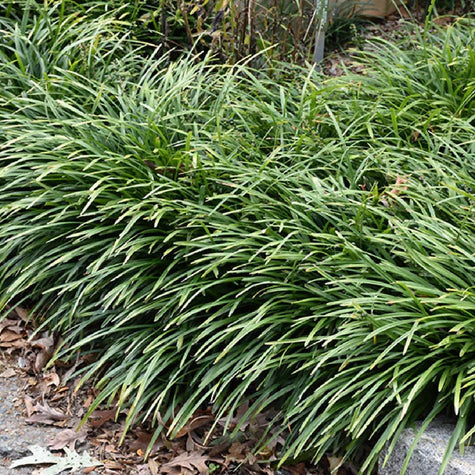
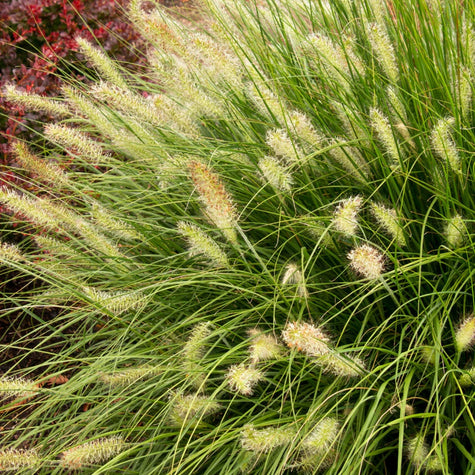
Ornamental grasses are especially beautiful in November. Fountain grass, muhly grass, switchgrass, carex, and little bluestem add movement, texture, and glowing seed heads. Many can remain standing through winter and be cut back before new growth begins in late winter or early spring.
Grow Herbs and Cool-Season Vegetables
Plant herbs for holiday cooking and cool-season vegetables for winter harvests. Rosemary, sage, thyme, parsley, cilantro, chives, and mint can be grown in garden beds, raised beds, or containers.
Cool-season vegetables may include cabbage, lettuce, spinach, radishes, turnips, beets, collards, broccoli, kale, onions, and garlic. Select varieties suited to your location and provide adequate sunlight and well-drained soil.
Raised beds can offer consistent drainage and make soil preparation easier. Use a quality raised-bed blend and add compost or an appropriate fertilizer based on the needs of the crop.
Water thoroughly after planting and maintain even moisture while seedlings establish. Harvest herbs lightly and regularly to encourage branching and fresh growth.
Adjust Your Watering Routine
Plants generally use less water as temperatures cool and days become shorter, but that does not mean watering should stop. Newly planted trees, shrubs, annuals, and perennials still need consistent moisture as roots establish.
Cool, windy days can dry containers and evergreen foliage more quickly than expected. Check soil moisture rather than watering on a fixed schedule. Water deeply enough to moisten the root zone, then allow the soil surface to begin drying before watering again.
Reduce irrigation frequency as plant growth slows, but continue monitoring rainfall. Avoid allowing newly planted material to enter winter with dry root systems.
Protect Plants from Frost
November can bring the first significant frost or freeze to many areas of the Southeast. Pay attention to local forecasts and prepare tender plants before temperatures drop.
Move portable tropical plants, citrus, houseplants, and sensitive containers into a protected location. For plants that must remain outdoors, use frost cloth or another breathable plant cover. Extend the covering to the ground so it can trap warmth rising from the soil.
Avoid placing plastic directly against foliage, as it can transfer cold and damage leaves. Remove covers when temperatures rise, especially on sunny days.
Watering the soil before a freeze may help protect established plants when conditions are dry, since moist soil retains heat better than dry soil. Do not wet foliage immediately before freezing temperatures.
Cold-Weather Reminder
Container plants are more vulnerable to cold because their roots are exposed on all sides. Move them near a protected wall, group them together, or place them in an unheated garage during severe cold.
November Fescue Lawn Care
Fescue remains actively growing during cool weather. If overseeding is still needed, complete it as early in November as local conditions allow so seedlings have time to establish before colder temperatures arrive.
Apply seed evenly at the rate listed on the package. Lightly cover bare areas with clean wheat straw or another recommended material to conserve moisture and protect seed from erosion. Keep the upper layer of soil consistently moist during germination.
A balanced lawn fertilizer may be appropriate early in the month for established fescue, depending on soil-test results and product directions. Fertilizer supports root growth and helps maintain winter color, but excessive feeding can increase disease risk or create weak growth.
Continue mowing as needed with a sharp blade. Avoid removing more than one-third of the grass blade in a single mowing. Remove fallen leaves promptly so they do not block sunlight, trap moisture, or smother new grass.
Warm-Season Lawn Care
Bermuda, zoysia, centipede, and St. Augustine lawns are entering dormancy or slowing significantly. Avoid late-season fertilization that may encourage tender growth vulnerable to frost.
Continue mowing and edging only as needed. Reduce irrigation frequency and clear leaves from the lawn regularly. Mulch-mowing leaves can return organic matter to the soil when the leaf layer is light and the lawn is dry.
A fall pre-emergent may help prevent winter weeds in established warm-season lawns when applied at the correct time and according to the product label. Do not use a standard pre-emergent where fescue seed has recently been applied unless the label specifically allows it.
Core aeration is generally more appropriate during the active growing season for warm-season grasses. Avoid aggressive renovation as the lawn enters dormancy.
Care for Indoor Plants
Indoor plants often need less water during November because shorter days and cooler temperatures slow growth. Check the soil before watering and allow the top layer to dry to the degree appropriate for the plant.
Clean dusty leaves so they can use available light efficiently. Rotate pots regularly for even growth and place plants near bright, indirect light unless they require lower-light conditions.
Maintain steady indoor temperatures and keep plants away from cold drafts, heating vents, fireplaces, and frequently opened exterior doors. Pebble trays or small humidifiers may help increase humidity around moisture-loving plants.
Repot only when necessary, such as when roots are tightly circling the container or growing heavily through drainage holes. Use a fresh indoor potting mix and a container with adequate drainage.
Decorate with Living Holiday Plants
Living plants bring color, texture, and natural beauty into holiday spaces. Poinsettias, Christmas cactus, orchids, ferns, peace lilies, amaryllis, and paperwhites can be used on tables, mantels, entryways, and in decorative containers.
Poinsettias
Place poinsettias in bright, indirect light and protect them from cold drafts. Water when the soil surface begins to feel dry, allowing excess water to drain fully. Do not allow the pot to sit in standing water inside decorative foil or cachepots.
Poinsettias are available in traditional red as well as white, pink, marble, orange, gold, and other seasonal tones. Group different colors together or coordinate them with existing holiday décor.
Amaryllis
Amaryllis bulbs produce dramatic flowers with relatively simple care. Plant the bulb in a well-drained container with the upper portion exposed, water lightly, and place it in a bright location. Increase watering gradually as growth begins.
Paperwhites
Paperwhite bulbs can be planted in potting mix, decorative stones, or prepared bulb kits. Plant them around mid-November for the possibility of holiday blooms, although flowering time varies with temperature and growing conditions.
Christmas Cactus and Orchids
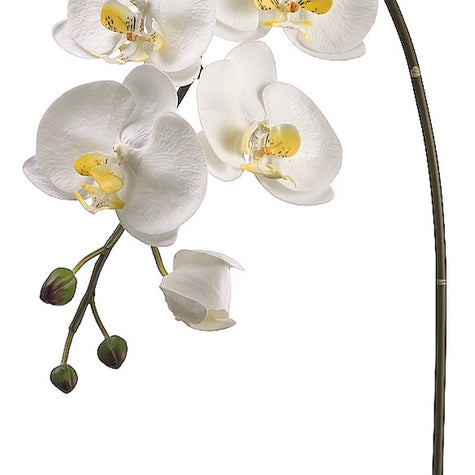
Christmas cactus prefers bright, indirect light and evenly moist but well-drained soil while flowering. Orchids also make elegant holiday accents and generally perform best in bright, indirect light with careful watering and good drainage.
Support Birds Through Winter
Keep feeders clean and stocked as migrating and resident birds rely more heavily on dependable food sources. Seed blends containing sunflower seeds and other high-energy ingredients can help birds maintain energy during cold weather.
Suet can be especially useful during winter because it provides concentrated calories. Place feeders where birds have nearby shelter but predators cannot easily hide.
Continue providing fresh water in clean birdbaths. During freezing weather, break and remove ice rather than pouring boiling water into the basin.
For a Thanksgiving treat, offer fresh cranberries, small pieces of fruit, or unsalted nuts in a clean platform feeder. Avoid seasoned, salted, sweetened, or moldy food.
Squirrel-resistant feeders and spicy seed blends may reduce seed loss. Birds do not respond to capsaicin in the same way mammals do, but always use products intended for bird feeding.
Plan Your Next Landscape Project
November is a valuable month for evaluating your landscape. Deciduous plants are beginning to reveal their branching structure, while evergreen plants become more visually prominent. This makes it easier to identify areas that need privacy, shade, seasonal interest, or improved structure.
Consider adding a shade tree, building an evergreen screen, redesigning foundation beds, creating a pollinator garden, improving outdoor entertaining areas, or developing a layered planting plan.
Fall installation allows many trees and shrubs to establish roots before summer. Planning now can also help you prepare for larger projects in winter or early spring.
Bring Your Outdoor Vision to Life
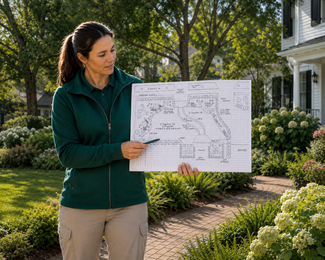
Pike’s Landscape Design service can help create a personalized plan based on your home, lifestyle, sunlight, soil, and local growing conditions.
Explore Landscape DesignNovember Garden Checklist
- Plant trees, shrubs, evergreens, perennials, and ground covers.
- Water new plantings consistently during dry weather.
- Refresh containers with cool-season flowers and foliage.
- Plant camellias, hellebores, hollies, and other winter-interest plants.
- Add two to three inches of mulch around established plants.
- Remove diseased leaves and garden debris.
- Leave selected seed heads and ornamental grasses for birds.
- Plant rosemary, sage, thyme, parsley, and other cool-season herbs.
- Plant leafy greens, cabbage, broccoli, garlic, and onions.
- Prepare frost cloth and protected areas for tender plants.
- Finish fescue overseeding early in the month.
- Remove fallen leaves from lawns each week.
- Avoid late fertilization of warm-season lawns.
- Reduce indoor plant watering as growth slows.
- Plant paperwhite and amaryllis bulbs for holiday flowers.
- Keep bird feeders and birdbaths clean and filled.
- Evaluate your landscape and plan winter improvements.
Frequently Asked Questions
Find answers to common questions about November planting, lawn care, cold protection, holiday plants, and winter garden preparation in Georgia and the Carolinas.
Is November still a good time to plant trees?
Yes. November is often an excellent time to plant many trees in the Southeast because cooler air reduces stress while the soil remains warm enough for root growth. Water newly planted trees during dry periods and mulch the root zone properly.
What flowers can I plant in November?
Pansies, violas, snapdragons, cyclamen, ornamental cabbage, ornamental kale, heuchera, and hellebores can provide cool-season color. Performance depends on local temperatures, sunlight, and site conditions.
Can I plant pansies before winter?
Yes. Pansies and violas are among the most dependable flowers for fall and winter color in the Southeast. Plant them in well-drained soil and provide consistent water while they establish.
Should I fertilize fescue in November?
An appropriate lawn fertilizer may benefit established fescue early in the month, depending on soil-test results and product directions. Avoid overfertilizing and water the lawn as directed after application.
When should I stop mowing my lawn?
Continue mowing as long as the grass is actively growing. Fescue may require occasional mowing throughout winter, while warm-season lawns generally need less mowing as they enter dormancy.
How do I protect plants from frost?
Move portable plants to a protected location and cover sensitive outdoor plants with breathable frost cloth. Extend the cloth to the ground, avoid placing plastic directly on foliage, and remove coverings after temperatures rise.
When should I bring tropical plants indoors?
Bring tropical plants indoors before nighttime temperatures fall below the range they can tolerate. Inspect the plants for insects and transition them gradually to indoor light conditions.
How do I care for poinsettias indoors?
Place poinsettias in bright, indirect light away from drafts and heating vents. Water when the soil surface begins to dry, and allow excess water to drain completely.
When should I plant paperwhite bulbs for holiday blooms?
Plant paperwhite bulbs around mid-November for a chance of holiday flowers. Bloom timing varies with temperature, bulb condition, and growing environment, so staggered plantings can extend the display.
Is November a good time to plan a landscape project?
Yes. November makes it easier to evaluate evergreen structure, bare areas, privacy needs, and future shade. Fall planting conditions are also favorable for many trees and shrubs.
Prepare Your Garden for Cooler Days Ahead
November is a season of transition, but it remains full of opportunities. Planting trees and evergreens, refreshing containers, protecting tender plants, caring for lawns, and adding living holiday décor can keep your home and garden beautiful through winter.
