


August Gardening Guide: Summer Color, Watering, Lawn Care & More
August brings some of the hottest and most humid conditions of the year to gardens throughout Atlanta, Charlotte, and the surrounding Southeast. Summer flowers are still putting on a colorful show, vegetables and herbs are producing at their peak, and warm-season lawns remain actively growing. However, plants may need a little extra attention to make it through the prolonged heat.
This month is all about protecting your garden from heat and moisture stress, refreshing summer color, monitoring for pests and diseases, and beginning to prepare for the transition into fall. With proper watering, feeding, pruning, and maintenance, you can keep your outdoor spaces thriving throughout the final stretch of summer.
What’s Taking Root This Month
- Refresh containers and garden beds with heat-loving summer annuals.
- Water deeply and consistently during periods of extreme heat.
- Feed plants that are actively growing and flowering.
- Watch lawns and landscape plants for fungus, armyworms, bagworms, and other pests while considering supportive products to improve conditions for plants.
- Maintain a protective layer of mulch around trees, shrubs, and flowers. Remember 2-3 inches helps protect plants.
- Harvest vegetables and herbs regularly to encourage continued production.
- Support bees, butterflies, hummingbirds, and other garden visitors.
- Begin planning fall planting and landscape improvement projects.
Your August garden priorities at a glance:
What You’ll Find in This August Garden Guide
Keep Summer Color Going Strong
By August, some annuals may begin to look tired, stretched, or thin after enduring weeks of intense heat. Refresh garden beds, containers, and borders with heat-loving flowers that continue performing through late summer.
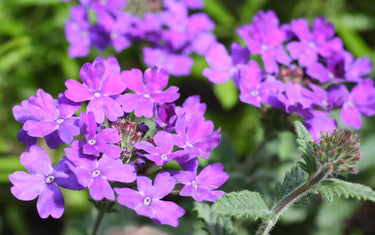
Vinca is an especially dependable choice for hot, sunny areas. Lantana, pentas, marigolds, salvia, calibrachoa, petchoa, SunPatiens, and colorful mixed patio pots can also provide fresh color as the season continues.
When adding new plants, water them thoroughly at planting and monitor their moisture closely while they establish. Container-grown plants can dry out much faster than plants growing in the ground, especially on sunny patios and decks.
Water Wisely During August Heat
Consistent watering is one of the most important garden tasks during August. Most established garden plants perform best when they receive approximately one inch of water per week, whether from rainfall or irrigation. Newly planted trees, shrubs, annuals, and perennials may need more frequent attention until their roots become established.
Water deeply and thoroughly rather than applying small amounts every day. Deep watering encourages roots to grow farther into the soil, where moisture remains available longer. Whenever possible, water between 6 and 10 a.m. so leaves and soil surfaces have time to dry during the day.
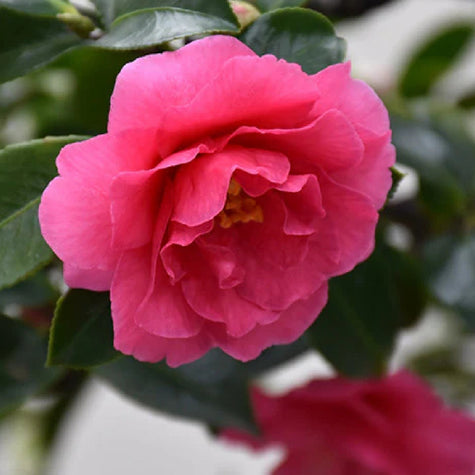
Azaleas, camellias, hollies, pyracantha, and other plants developing flower buds or berries may benefit from supplemental water during dry periods. Moisture stress now can affect the flowers, fruit, and overall plant performance you see in the months ahead.
Check container gardens daily during periods of extreme heat. Water when the top layer of soil begins to feel dry, applying enough water that it begins to drain from the bottom of the container.
Tip from Our Garden Experts
Water slowly enough that moisture can soak into the root zone rather than running off the surface. Check the soil several inches below the surface before watering again, since mulch can make the top look dry while the soil beneath remains moist. Consider a moisture meter in your gardening kit to check on them with ease.
Feed Plants That Are Still Working Hard
Summer flowers and actively growing garden plants use a considerable amount of energy during the long, hot days of August. Providing the proper nutrients can help plants maintain healthy foliage, strong roots, and continued flower production.
Use a fertilizer formulated for the plants you are feeding and always follow the product label. Espoma Flower-tone is an option for established flowering plants, while Espoma Plant-tone can be used for a broad range of garden plants. Avoid applying more fertilizer than recommended, especially when plants are dry or experiencing extreme heat stress.
Water plants before or after fertilizing according to label directions. If you are unsure which fertilizer is appropriate for your garden, bring photos or plant details to your neighborhood Pike Nurseries and speak with a Pike expert.
Maintain Your Mulch
Maintain a two- to three-inch layer of mulch around trees, shrubs, flowers, and vegetable gardens. Mulch helps regulate soil temperature, conserve moisture, reduce weed growth, and protect plant roots from extreme temperature fluctuations.
Keep mulch a few inches away from plant stems and tree trunks. Piling mulch directly against the trunk can hold excess moisture against the bark and contribute to decay, disease, or pest problems.
If mulch has become thin, compacted, or washed away, lightly loosen the existing layer before adding more. You may not need to replace all of the mulch if an adequate layer remains in place.
Deadhead and Rejuvenate Summer Flowers
Continue removing faded flowers from annuals and perennials such as geraniums, marigolds, petunias, salvia, verbena, echinacea, coreopsis, and zinnias. Deadheading helps keep plants looking tidy and can encourage additional flowers instead of seed production.
If annuals have become leggy or spindly, trim them back by up to one-third or, for vigorous varieties, approximately one-half of their current height. Follow pruning with consistent watering and an appropriate feeding. Many healthy plants will produce fresh foliage and another flush of flowers as temperatures begin to moderate.
Remove spent crape myrtle flower clusters only when they are easy to reach and can be removed without damaging the tree’s natural structure. Some crape myrtles may produce additional flowers later in the season. Avoid heavy topping or cutting major branches, which can weaken the tree and create unattractive growth.
Care for Hydrangeas and Gardenias
Hydrangeas may begin to look less vibrant during the hottest part of summer, particularly when exposed to intense afternoon sun. Some temporary wilting during the hottest part of the day can be normal, but plants that remain wilted into the evening may need additional water.
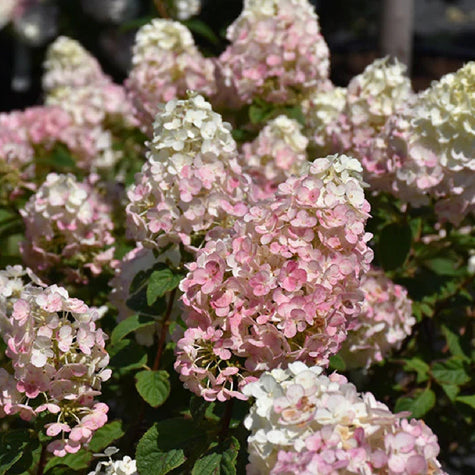
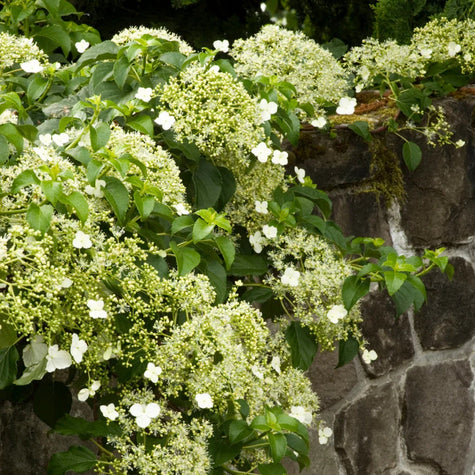
Limelight and Little Lime hydrangeas bloom on new wood and often provide impressive flowers from summer into fall. Keep them consistently watered, maintain mulch around their roots, and avoid unnecessary pruning while they are flowering.
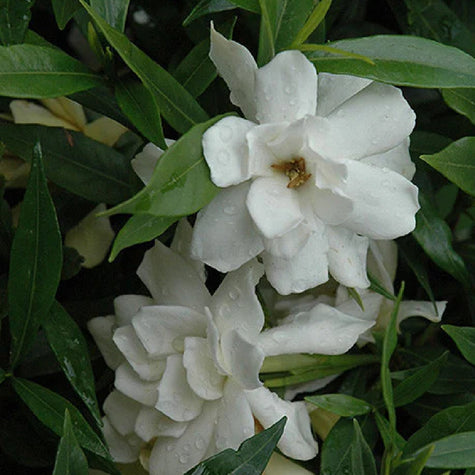
Gardenias, including popular varieties such as Jubilation and August Beauty, appreciate evenly moist, well-drained soil. Yellow foliage can have several potential causes, including excess water, poor drainage, nutrient availability, or normal aging of older leaves. Check the soil before watering and bring photos or a plant sample to Pike Nurseries if the problem continues.
Monitor for Late-Summer Pests
Warm temperatures can increase activity from caterpillars, mites, aphids, beetles, and other garden pests. Inspect plants regularly, paying close attention to the undersides of leaves, growing tips, and areas with missing foliage or discoloration.
Bagworms
Look for small, spindle-shaped bags attached to evergreen trees and shrubs. Hand removal can be effective when only a few are present. Larger infestations may require an insect-control product labeled for bagworms and the affected plant.
Armyworms
Armyworms can damage lawns quickly by feeding on grass blades. Watch for rapidly expanding brown areas, increased bird activity, or caterpillars moving across the turf. Captain Jack’s Deadbug Brew may be an option when the pest and treatment site are listed on the label.
Rose and Ornamental Plant Problems
Continue checking roses and ornamental plants for insects and diseases. Products such as Bonide Rose Shield may help manage certain listed problems, but proper identification is important before treatment. Avoid spraying flowering plants while bees and other pollinators are actively visiting them.
Always read and follow the complete product label, including application rates, timing, protective equipment, and restrictions.
Feed the Bees and Butterflies
Late summer is an important feeding period for butterflies, bees, hummingbirds, and other pollinators. Add nectar-rich flowers to garden beds or containers to provide valuable food while bringing movement and color into your landscape.
Excellent late-summer pollinator plants include:
- Echinacea
- Lantana
- Coreopsis
- Salvia
- Pentas
- Nepeta
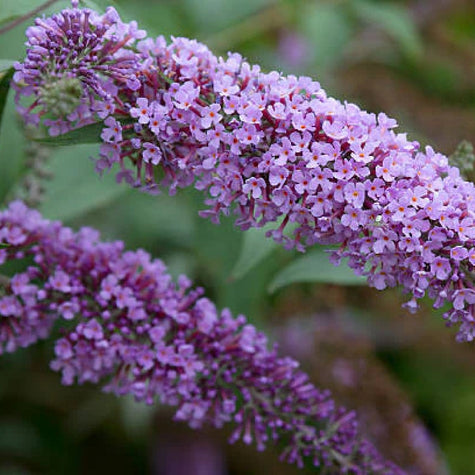
- Butterfly bush
- Sunflowers
Plant several flowers of the same type together when possible, as larger groupings can make it easier for pollinators to locate them. Include plants with different flower shapes and staggered bloom times to support a wider range of garden visitors.
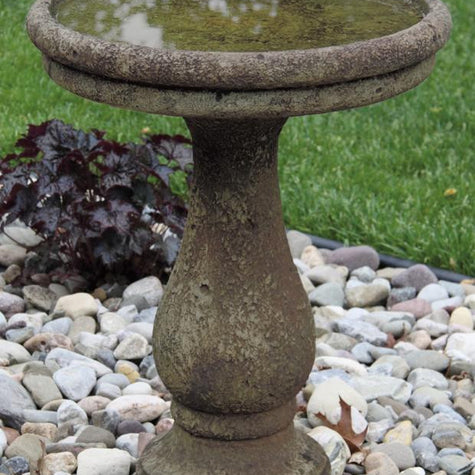
A shallow water source can also benefit pollinators. Add pebbles or stones that rise above the waterline so insects have a safe place to land.
Harvest the Summer Garden
August is one of the most rewarding months in the edible garden. Tomatoes, peppers, eggplant, okra, blueberries, basil, rosemary, sage, mint, oregano, and thyme may all be ready for regular harvesting.
Pick vegetables and herbs frequently to encourage continued production. Remove overripe or damaged produce so it does not attract pests or contribute to disease.
Harvest herbs in the morning after the dew has dried but before the strongest afternoon heat arrives. Use fresh herbs for summer meals, dry them for future recipes, freeze them in water or oil, or make pesto and herb blends.
Maintain even soil moisture around tomatoes, peppers, and other fruiting plants. Large changes between very dry and very wet soil can contribute to fruit cracking and other quality problems.
August Lawn Care
Warm-season lawns such as Bermuda, zoysia, and centipede grass are actively growing during August, but heat, humidity, pests, and disease can still cause significant stress.
Mow at the Proper Height
Avoid removing more than one-third of the grass blade during a single mowing. Scalping the lawn can expose the soil, increase moisture loss, and weaken the turf. Mow when the grass is dry, preferably during the cooler morning or evening hours.
Leave Healthy Grass Clippings
Leave short, disease-free grass clippings on the lawn. As they decompose, they return organic matter and nutrients to the soil. Remove clumps if the grass was extremely tall or wet when mowed.
Keep Lawn Grasses in Bounds
Edge garden beds and walkways regularly to prevent aggressive warm-season grasses, particularly Bermuda grass, from spreading into planting areas.
Watch for Lawn Fungus
Hot, humid weather can encourage fungal problems such as brown patch and other turf diseases. Symptoms can resemble drought stress, insect damage, or improper mowing, so correct identification is essential before applying a treatment.
If you notice discolored rings, irregular brown areas, or rapidly declining turf, take several clear photos and bring a sample containing both healthy and affected grass to Pike Nurseries. A product such as Bonide Infuse may be appropriate for certain labeled lawn diseases. Infuse helps maintain healthier foliage, stronger plant growth, and improved overall landscape appearance during one of the most challenging months of the growing season.
Monitor for Fire Ants
Inspect sunny areas for active fire ant mounds. Treat mounds promptly with a product labeled for fire ants, carefully following all application and safety instructions.
Feed Only When Appropriate
Products such as Milorganite may be used on certain lawns and landscapes when consistent with the needs of the turf and the directions on the product label. Avoid overfertilizing during extreme heat or when the lawn is under drought stress.
Bring a Lawn Sample to Pike
Many turf problems look alike. For the most useful diagnosis, bring several clear photos and a sample that includes both healthy and affected grass, along with a small amount of attached soil and roots.
Enjoy Late-Summer Patio Living
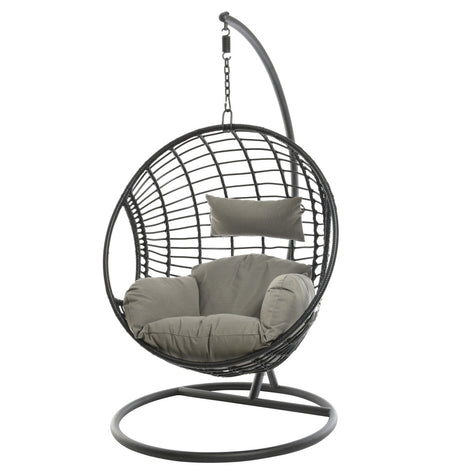
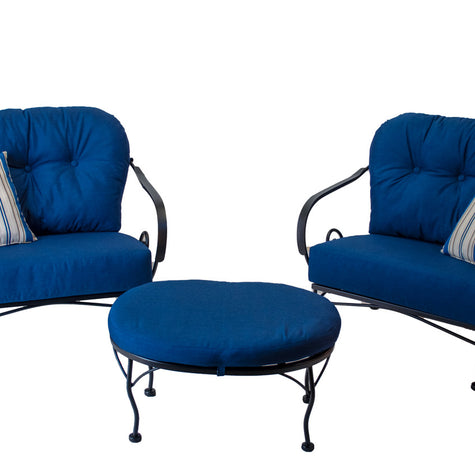
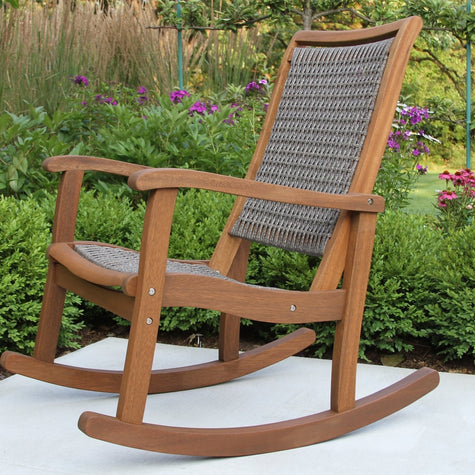
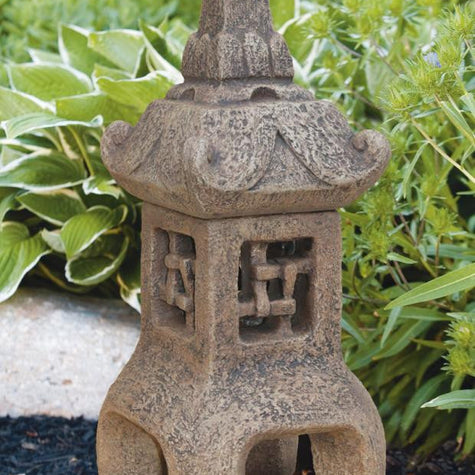
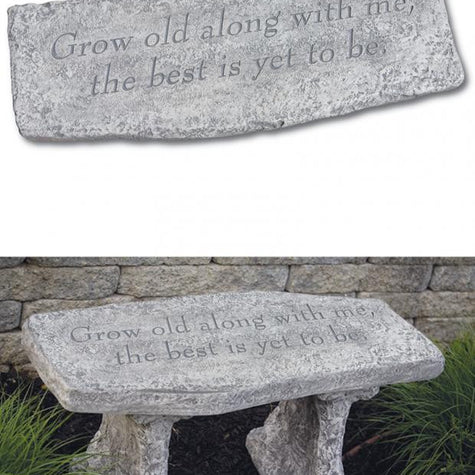
August evenings are an excellent time to enjoy your patio, porch, or deck. Create a comfortable retreat with outdoor furniture, shade, lighting, and colorful container gardens.
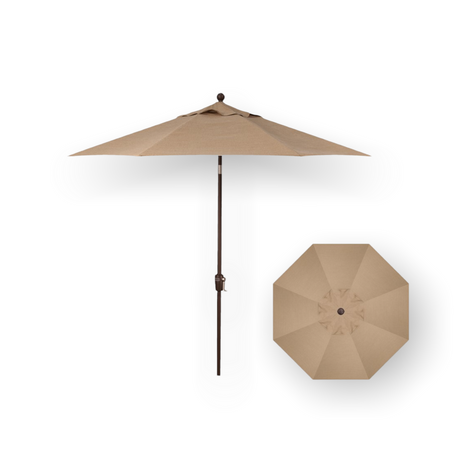
Patio umbrellas can provide relief from the sun over a dining table, seating group, or reading area. Outdoor pillows add color and comfort, while string lights, lanterns, and battery-operated candles create a soft glow for evening gatherings.
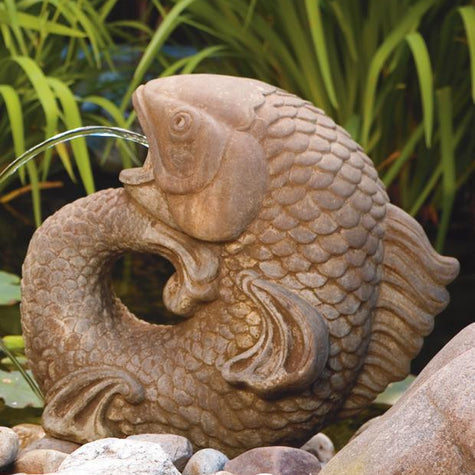
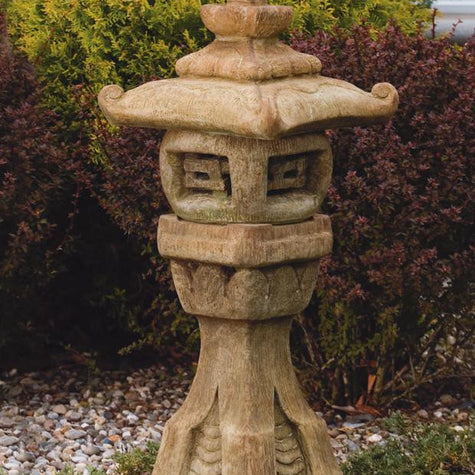
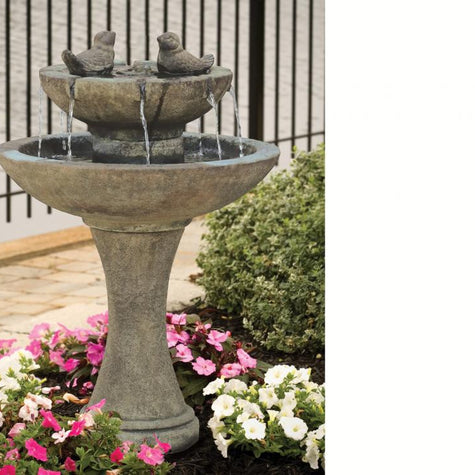
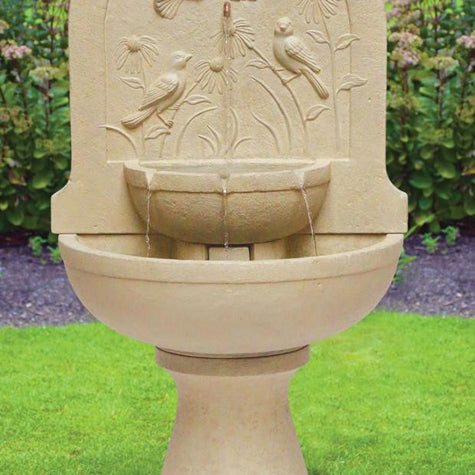
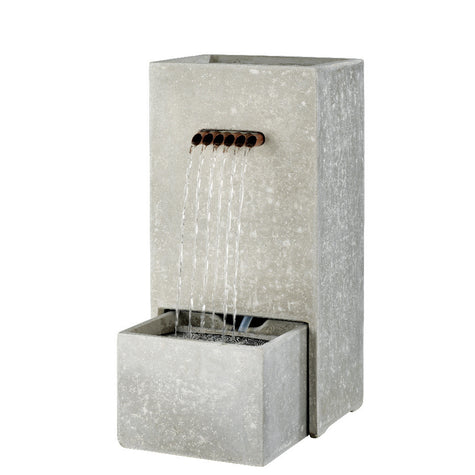
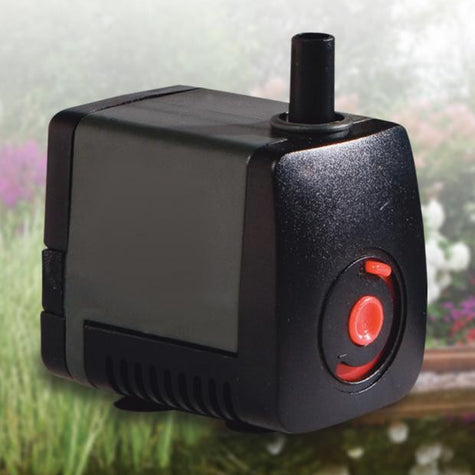
Fountains bring relaxing sound and movement to an outdoor space. Moving water may also attract birds, especially when it is kept clean and accessible.
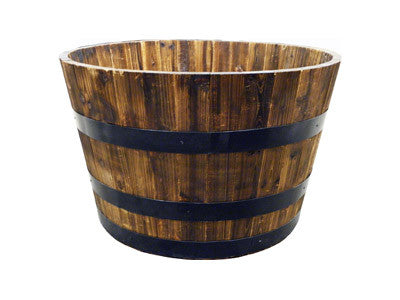
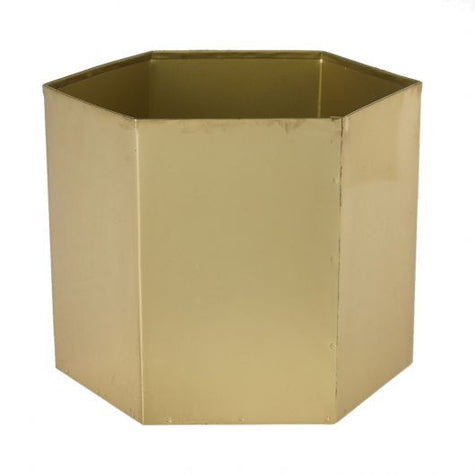
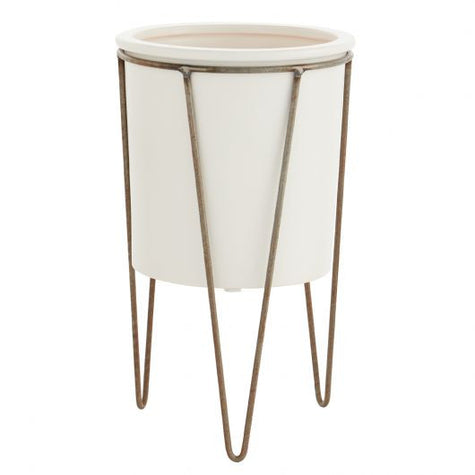
Refresh patio pots with combinations of vinca, lantana, pentas, salvia, marigolds, ornamental grasses, and other heat-tolerant plants. Select containers with drainage holes and use a quality potting mix rather than garden soil.
Care for Indoor Plants
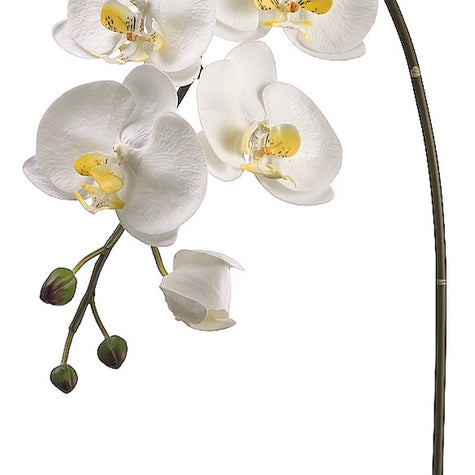
Bring fresh greenery indoors as back-to-school schedules and late-summer routines begin. Pothos, ZZ plants, sansevieria, orchids, bromeliads, bonsai, and succulent containers can add life to desks, dorm rooms, offices, and living spaces.
Check soil moisture before watering. Indoor plants may use water more slowly in heavily air-conditioned spaces, while plants near bright windows may dry out more quickly.
A moisture meter can help you better understand conditions below the surface of the soil, but it should be used along with visual inspection and knowledge of the plant’s individual needs.
Continue feeding actively growing houseplants according to the fertilizer label. Reduce feeding if a plant has slowed its growth, is newly repotted, or is experiencing stress.
Before leaving for vacation, move plants away from intense afternoon sunlight and water them thoroughly. Soil moisture-retaining products may help certain container plants when used according to label directions, but they should not replace proper drainage or plant-specific care.
Support Birds and Backyard Wildlife
Keep birdbaths clean and filled with fresh water throughout the hottest weeks of summer. Shallow water is safest for smaller birds, and adding a stone can provide an additional place to perch.
Empty, scrub, and refill birdbaths regularly to prevent algae and reduce mosquito activity. During very hot weather, the water may need to be changed daily.
Keep feeders clean and stocked with fresh seed. Hot pepper or Cajun-style birdseed blends may help discourage squirrels because birds do not respond to capsaicin in the same way mammals do. Squirrel-resistant feeders can provide another layer of protection.
Start Planning for Fall
Even though August still feels like summer, the Southeast’s fall planting season is approaching. Late summer is a good time to evaluate your landscape, identify areas that need improvement, and begin planning upcoming projects.
Consider preparing for:
- New trees and shrubs
- Fall-blooming perennials
- Cool-season vegetables and herbs
- Seasonal container gardens
- Lawn repair or renovation
- New outdoor living spaces
- Landscape design and installation projects
Planning early gives you time to select the right plants, prepare planting areas, and schedule larger projects before the busiest part of the fall season.
Bring Your Outdoor Vision to Life
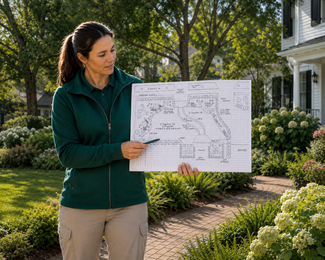
Whether you want to refresh a garden bed, create a pollinator-friendly landscape, redesign your backyard, or prepare for fall planting, Pike’s Landscape Design service can help turn your ideas into a personalized plan for your home and lifestyle.
Explore Landscape DesignAugust Garden Checklist
- Water deeply during dry periods.
- Check containers frequently for moisture.
- Maintain two to three inches of mulch.
- Deadhead annuals and perennials.
- Trim back leggy summer flowers.
- Harvest vegetables and herbs regularly.
- Inspect plants and lawns for pests and disease.
- Keep birdbaths clean and filled.
- Refresh patios with plants, shade, and lighting.
- Begin planning fall planting and landscape projects.
Frequently Asked Questions
Find answers to common questions about August flowers, watering, lawns, hydrangeas, fall planning, and late-summer gardening in Georgia and the Carolinas.
What flowers can I plant in August in Georgia and North Carolina?
Heat-tolerant annuals and perennials such as vinca, lantana, pentas, salvia, marigolds, echinacea, coreopsis, nepeta, and SunPatiens can provide color during late summer. Plant availability and performance may vary by location, sunlight, and local conditions.
How often should I water my garden in August?
Most established garden plants need approximately one inch of water per week, including rainfall, but newly planted or container-grown plants may require more frequent watering. Check the soil rather than relying only on a fixed schedule.
Should I fertilize my lawn in August?
Some actively growing warm-season lawns may benefit from appropriate feeding, but the correct timing and product depend on the grass type, soil conditions, and overall health of the lawn. Avoid fertilizing drought-stressed turf and follow all product-label directions.
Why is my hydrangea wilting during the afternoon?
Hydrangeas may wilt temporarily during intense afternoon heat even when the soil contains adequate moisture. Check the plant again in the evening. If it remains wilted or the soil feels dry below the surface, it may need a slow, deep watering.
When should I begin planning my fall garden?
August is an ideal time to evaluate your landscape and plan fall projects. This allows time to prepare planting areas, select plants, and arrange landscape design or installation services before fall planting begins.
