

















The Easiest Houseplants for Beginners
Want to bring a little more green indoors without adding another item to your to-do list? Some houseplants are much more forgiving than others, making them perfect for beginners or anyone who wants beautiful greenery without a complicated care routine.
From low-light corners to bright windowsills, these easy-care houseplants can thrive with the right placement and a little consistent care. Here are five of our favorites to grow indoors.
What’s Taking Root
Easy houseplant care at a glance.
- Choose a houseplant that matches the natural light available in your space.
- Check the soil before watering and avoid keeping roots constantly wet.
- Start with forgiving favorites like pothos, snake plant, rubber plant, peace lily and ZZ plant.
What You’ll Find in This Houseplant Guide

Pothos
Best for: Beginners, hanging baskets, shelves and low to medium light
Pothos is one of the easiest houseplants to grow and a great choice if you are just getting started. Its trailing vines make it especially beautiful in hanging baskets or placed on a shelf where the foliage can spill over the edge.
Light: Pothos can tolerate low light, but it grows best in bright, indirect light. Variegated varieties may lose some of their coloring in very low light.
Care tips: Allow the top inch or two of soil to dry out between waterings, then water thoroughly. Pothos is forgiving if you occasionally forget to water, but avoid keeping the soil constantly soggy. Trim the vines as needed to encourage fuller growth.
Good to know: Pothos is a fast grower, so don't be afraid to prune it back. The cuttings can even be propagated in water to create new plants.

Snake Plant
Best for: Low-light spaces, offices, bedrooms and busy plant parents
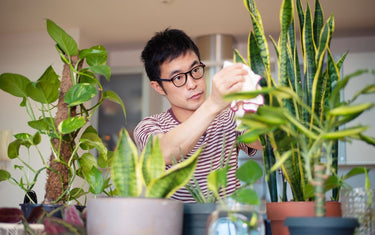
If you're looking for a plant that can handle a little neglect, the snake plant is hard to beat. Its upright, architectural leaves add a modern touch to any room and require very little maintenance.
Light: Snake plants tolerate low to bright, indirect light. They can also handle some gentle morning or evening sun, but avoid intense direct sunlight for long periods.
Care tips: Let the soil dry out completely between waterings. Snake plants store water in their thick leaves and are much more tolerant of being too dry than too wet. During the cooler months, they typically need even less water.
Good to know: Overwatering is one of the biggest problems for snake plants. When in doubt, wait a little longer before watering.

Rubber Plant
Best for: Bright rooms, statement plants and indoor spaces with plenty of natural light
With large, glossy leaves and an impressive upright growth habit, rubber plants can make a beautiful statement indoors. They are relatively easy to care for as long as they receive enough light.
Light: Rubber plants prefer bright, indirect light. They can tolerate some direct morning sun, but strong afternoon sunlight through a window can scorch their leaves.
Care tips: Water when the top inch or two of soil feels dry. Keep the soil evenly moist during the growing season, but never allow the plant to sit in standing water. Wipe the large leaves occasionally to remove dust and help keep them looking their best.
Good to know: Rubber plants can grow quite large indoors, so give them plenty of room to grow. Rotate the pot occasionally so the plant develops evenly.

Peace Lily
Best for: Low to medium light, bedrooms, offices and spaces that need a pop of green
Peace lilies are loved for their lush foliage and elegant white flowers. They are also great at communicating when they need a drink. If the leaves begin to droop, it's often a sign that the plant is ready for water.
Light: Peace lilies prefer bright, indirect light, but they can tolerate lower-light conditions. Too much direct sunlight can burn their leaves.
Care tips: Keep the soil lightly and consistently moist, allowing the surface to dry slightly between waterings. Avoid letting the plant sit in water. Peace lilies also appreciate humidity, so they can do especially well in naturally humid rooms.
Good to know: A dramatic droop doesn't necessarily mean your peace lily is in trouble. Once watered, it will often perk back up. Just don't make a habit of letting it wilt completely.

ZZ Plant
Best for: Low-light rooms, offices, busy households and frequent travelers
The ZZ plant is practically made for low-maintenance plant care. Its thick, glossy leaves and upright growth make it an attractive addition to almost any room, and it can handle periods of dryness better than many other houseplants.
Light: ZZ plants tolerate low to bright, indirect light. Avoid strong, direct sunlight, which can scorch the foliage.
Care tips: Allow the soil to dry out thoroughly between waterings. ZZ plants store water in their underground rhizomes, so they don't need frequent watering. In lower-light conditions, they may need water even less often.
Good to know: When it comes to ZZ plants, less is often more. Overwatering is far more likely to cause problems than underwatering.
A Few Simple Houseplant Rules
While each plant has slightly different needs, keeping a few basics in mind can make houseplant care much easier:
- Pay attention to the light. Before choosing a plant, take a look at the natural light in the room. The right plant in the right spot will always be easier to care for.
- Check the soil before watering. Don't water simply because it's been a certain number of days. Stick your finger into the soil and see how it feels. Different rooms, seasons and pots can all affect how quickly soil dries out.
- Make sure your pot drains. Good drainage is essential for healthy roots. Always use a container with drainage holes, and don't allow your plant to sit in excess water.
- Start with less water. When you're unsure whether a plant needs water, it's often better to check the soil first rather than watering just in case. Overwatering is one of the most common causes of houseplant problems.
- Give your plants a little attention. Check the leaves, soil and overall appearance regularly. A few minutes of observation can help you catch problems before they become bigger ones.
Frequently Asked Questions
Quick answers to common questions about choosing and caring for easy houseplants.
What is the easiest houseplant for a beginner?
Pothos, snake plants and ZZ plants are all excellent choices for beginners because they are forgiving, adaptable and don't require frequent watering.
What houseplants are best for low light?
Snake plants and ZZ plants tolerate low-light rooms particularly well. Pothos and peace lilies can also tolerate lower-light conditions, although they generally perform best with bright, indirect light.
How do I know when to water my houseplants?
Check the soil rather than watering on a fixed schedule. Different plants prefer different moisture levels, and factors such as light, temperature, season and container size can affect how quickly the soil dries.
Why is drainage important for houseplants?
Good drainage helps prevent excess water from collecting around the roots. Use containers with drainage holes and avoid allowing houseplants to sit in standing water.
What is the most common houseplant care mistake?
Overwatering is one of the most common causes of houseplant problems. Check the soil before watering and make sure excess water can drain freely from the container.
Start Growing with Confidence
With the right plant in the right spot, caring for houseplants doesn't have to be complicated. Start with one of these easy-care favorites, find a spot where it can thrive, and enjoy a little more green indoors.
