







Want a garden that looks beautiful and gives a little something back? Southeastern native plants bring seasonal color, graceful texture, and essential habitat for butterflies, bees, birds, and other wildlife.
The right native plants can bring natural beauty to your landscape while supporting the environment around you. Explore some of our favorites at Pike Nurseries and learn how to choose, plant, and care for them with confidence.
What's Taking Root
Your native gardening essentials at a glance.
- Choose plants that match your garden's sun, moisture, and soil conditions.
- Support butterflies, bees, hummingbirds, and other local wildlife.
- Combine native trees, shrubs, perennials, grasses, and groundcovers for a layered landscape.
- Water new plants while roots establish, even when they are drought-tolerant at maturity.
- Make the most of fall planting weather for many hardy native species.
What You'll Find in This Native Plant Guide
Why Grow Southeastern Native Plants?
Plants native to the Southeast have developed alongside the region's soils, seasons, and wildlife. When you match a plant to its preferred growing conditions, it can be a resilient and rewarding choice for your landscape.
Native plants offer more than beautiful flowers and foliage. They can also help create a healthier environment right outside your door.
- Support pollinators: Provide nectar, pollen, and host plants for native bees, butterflies, and beneficial insects.
- Welcome wildlife: Offer berries, seeds, shelter, and nesting opportunities for birds and other garden visitors.
- Conserve resources: Many established natives require less supplemental watering and fewer chemical inputs when planted in suitable conditions.
- Enjoy seasonal beauty: Create interest with spring blooms, summer flowers, colorful fall foliage, and winter seed heads.
- Build a balanced landscape: Support local biodiversity with plants that naturally belong in our region.
Pike Gardening Tip: Native doesn't always mean maintenance-free. Choosing the right plant for the right location is the secret to a healthy, beautiful garden.
Planting Native Plants for Success
Before selecting your native plants, take a little time to understand your garden's growing conditions. Sunlight, soil, moisture, and available space all play important roles in helping plants thrive.
Choose the Right Location
Some native plants love full sunshine, while others naturally grow beneath the canopy of woodland trees.
- Full Sun: Six or more hours of direct sunlight each day.
- Part Shade: Approximately three to six hours of sunlight, ideally with protection from intense afternoon heat.
- Shade: Limited direct sunlight, often beneath trees or along the shaded side of a home.
Prepare Your Soil
Georgia and North Carolina gardens often contain clay soils, but soil conditions can vary significantly. Some native plants prefer acidic, well-drained soil, while others flourish in moist or occasionally wet locations.
A soil test can help you understand your soil's pH and nutrient levels. Rather than automatically changing the soil, choose plants suited to the conditions you have whenever possible.
Water Wisely
Even drought-tolerant native plants need regular watering while establishing their roots. Water thoroughly after planting and monitor soil moisture throughout the first growing season.
Once established, many natives require less supplemental watering, although moisture-loving plants will continue to need suitable conditions.
Add Mulch
Apply approximately two to three inches of organic mulch to help conserve moisture, moderate soil temperatures, and discourage weeds. Keep mulch away from plant crowns and tree trunks.
Fertilize Only When Needed
Many native plants thrive without frequent fertilizer applications. Excess nutrients can sometimes encourage leafy growth at the expense of flowers. Use soil test recommendations to determine whether feeding is necessary.
Keep Weeds Under Control
Weeds and invasive plants compete with natives for sunlight, water, and nutrients. Regularly remove unwanted growth, especially while new plants are becoming established.
Native Flowering Perennials
Native perennials bring beautiful seasonal color to garden beds while providing valuable resources for pollinators. Many return year after year, creating a landscape that becomes more rewarding as it matures.
- Purple Coneflower (Echinacea purpurea): Pink-purple summer blooms attract bees and butterflies. Prefers full sun and well-drained soil. Leave seed heads standing for birds.
-
Butterfly Weed (Asclepias tuberosa): Bright orange flowers attract pollinators, while the foliage supports monarch caterpillars. Thrives in sunny, well-drained locations.
- Black-Eyed Susan (Rudbeckia hirta): Golden-yellow flowers with dark centers brighten sunny garden beds and attract pollinators.
- Cardinal Flower (Lobelia cardinalis): Brilliant red flowers attract hummingbirds. Best in moist soil with sun to partial shade.
-
Eastern Red Columbine (Aquilegia canadensis): Delicate red-and-yellow spring flowers are especially attractive to hummingbirds. Perfect for woodland edges.

Native Ornamental Grasses
Native ornamental grasses bring graceful movement, texture, and seasonal interest to the landscape. Their seed heads also provide food and shelter for wildlife.
- Little Bluestem (Schizachyrium scoparium): Blue-green summer foliage turns beautiful copper and reddish shades in fall. Prefers full sun and well-drained soil.
- Pink Muhly Grass (Muhlenbergia capillaris): Produces spectacular clouds of airy pink flowers in fall. A stunning choice for sunny borders and mass plantings.
-
Switchgrass (Panicum virgatum): An upright grass with airy flower panicles and attractive fall color. Adaptable to a variety of soil conditions.
- River Oats (Chasmanthium latifolium): Distinctive dangling seed heads bring texture and movement to partially shaded gardens. Can spread readily in favorable conditions.

Design Inspiration: Pair pink muhly grass with purple coneflowers and black-eyed Susans for a sunny garden filled with late-season color. Plant in groups of three or more for a fuller, more natural appearance.
Native Ferns
Have a shady garden area that needs a little love? Native ferns are a wonderful way to add lush greenery and soft texture beneath trees, along woodland paths, and in shaded garden beds.
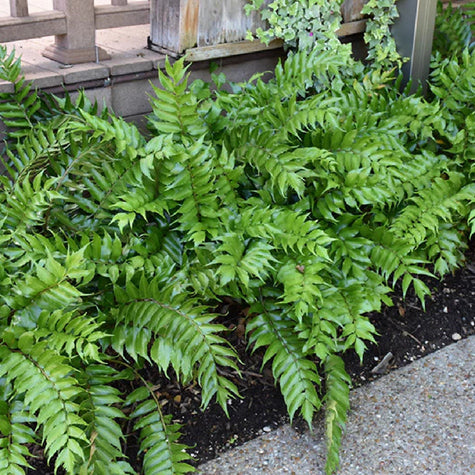
- Christmas Fern (Polystichum acrostichoides): An evergreen fern that provides year-round greenery. Prefers shade and well-drained soil rich in organic matter.
-
Cinnamon Fern (Osmundastrum cinnamomeum): Features graceful green fronds and distinctive cinnamon-colored fertile fronds. Thrives in moist, acidic soil.
- Ostrich Fern (Matteuccia struthiopteris): Tall, dramatic fronds make a statement in woodland settings. Best suited to cool, moist locations and may struggle with intense Southern heat.

Native Groundcovers
Groundcovers help soften garden edges, fill open spaces, and create attractive layers beneath taller plants.
- Foamflower (Tiarella cordifolia): Delicate spring flower spikes rise above attractive foliage. Ideal for moist, shaded woodland gardens.
- Creeping Phlox (Phlox subulata): Forms a low-growing carpet of colorful spring blooms. Perfect for sunny slopes, borders, and well-drained garden beds.

Native Shrubs
Native shrubs provide structure, seasonal flowers, beautiful foliage, and valuable wildlife habitat. They are excellent additions to foundation plantings, natural borders, and pollinator-friendly landscapes.
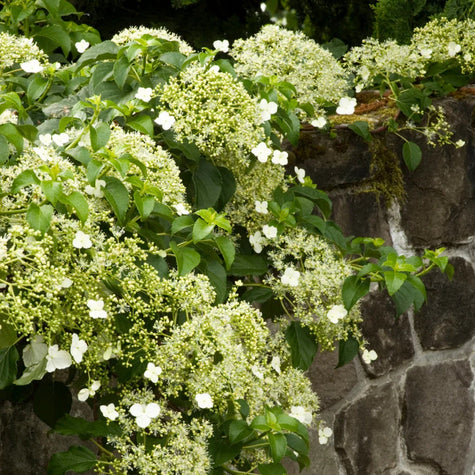
- Oakleaf Hydrangea (Hydrangea quercifolia): Large white flower clusters, bold foliage, and outstanding fall color make this a Southern favorite. Prefers partial shade.
-
Virginia Sweetspire (Itea virginica): Fragrant white spring flowers and vibrant fall foliage. Adaptable to sun or partial shade and moist soils.
- American Beautyberry (Callicarpa americana): Brilliant clusters of purple berries create a spectacular fall display and provide food for wildlife.
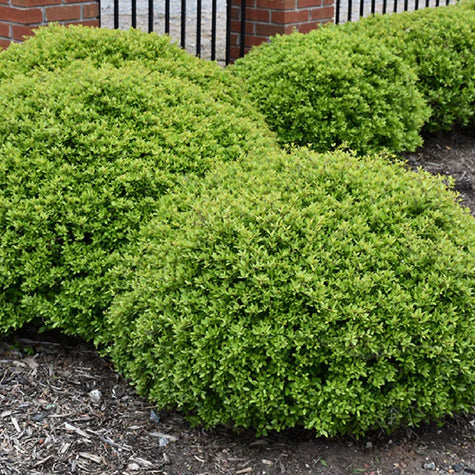
- Inkberry Holly (Ilex glabra): An evergreen native shrub ideal for natural hedges and foundation plantings. Prefers acidic soil.
- Highbush Blueberry (Vaccinium corymbosum): Offers spring flowers, edible summer berries, and attractive fall foliage. Requires acidic soil.

Native Trees
Trees form the foundation of a beautiful landscape. Native trees can provide shade, seasonal color, and important food and shelter for local wildlife.
- Flowering Dogwood (Cornus florida): A beloved Southern tree featuring spring blooms, colorful fall foliage, and berries enjoyed by birds. Prefers well-drained soil and protection from harsh afternoon sun.
- Eastern Redbud (Cercis canadensis): Brilliant pink-purple flowers appear in early spring, followed by attractive heart-shaped leaves.
- Downy Serviceberry (Amelanchier arborea): Delicate white spring flowers, berries for birds, and beautiful fall color make this a versatile landscape choice.
- American Hornbeam (Carpinus caroliniana): A smaller native tree with distinctive sculptural bark, well suited to woodland gardens and partial shade.

Native Vines
Take your garden to new heights with native vines! These climbing plants bring flowers, greenery, and vertical interest to trellises, fences, and arbors.
- Crossvine (Bignonia capreolata): Produces showy trumpet-shaped flowers that attract hummingbirds. Grows in sun to partial shade.
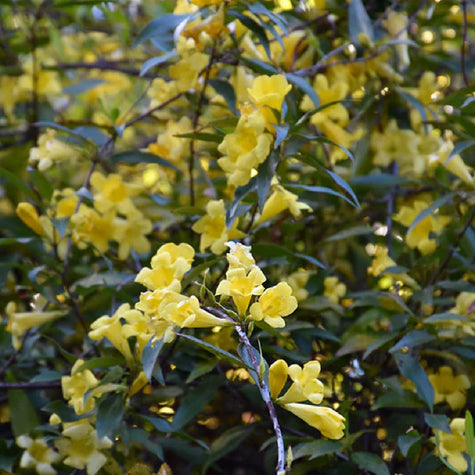
- Carolina Jessamine (Gelsemium sempervirens): Fragrant yellow spring flowers and evergreen foliage create a beautiful display. All parts are poisonous if ingested.
- Trumpet Creeper (Campsis radicans): Bold orange-red summer flowers attract hummingbirds. This vigorous vine requires sturdy support and regular management.

Design a Garden That Gives Back
You don't have to redesign your entire landscape to make a difference. Even adding a few carefully selected native plants can help support local wildlife while bringing new color and texture to your outdoor space.
Plant in Groups
Group three or more plants of the same species together for greater visual impact and to make flowers easier for pollinators to discover.
Plan for Every Season
Choose plants that bloom in spring, summer, and fall. This provides continuous color and a more consistent supply of nectar and pollen throughout the growing season.
Create Layers of Habitat
Combine trees, shrubs, perennials, grasses, and groundcovers to create a landscape with different heights, textures, and wildlife benefits.
Leave a Little Natural Beauty
Allow selected seed heads and healthy plant stems to remain through winter. They can provide food for birds and shelter for overwintering insects.
Try This Garden Combination: For a sunny landscape, combine pink muhly grass, purple coneflowers, and black-eyed Susans. For a shaded woodland garden, pair oakleaf hydrangeas with Christmas ferns and foamflowers.
Planting Natives in Fall
Fall is one of our favorite times to plant many hardy native trees, shrubs, and perennials in Georgia and North Carolina.
Cooler air temperatures reduce transplant stress while lingering soil warmth encourages roots to continue developing. This gives many plants an opportunity to establish before the following summer's heat.
Remember to water new plantings during dry periods. Some warm-season or cold-sensitive species may establish more successfully with spring planting, so always consider the specific needs of your plants.
Native Plant Care Checklist
- Choose plants suited to your sunlight conditions.
- Understand your soil type and drainage.
- Check soil pH when appropriate.
- Water deeply after planting.
- Monitor soil moisture during establishment.
- Apply two to three inches of mulch.
- Keep mulch away from stems and trunks.
- Remove invasive plants and weeds.
- Avoid unnecessary fertilizer.
- Plant flowers with different bloom seasons.
- Combine plants of different heights.
- Leave selected seed heads for wildlife.
- Monitor plants for pests and disease.
- Give native perennials time to establish roots.
PIKE NURSERIES LANDSCAPE DESIGN SERVICE
Bring Native Beauty to Your Own Backyard
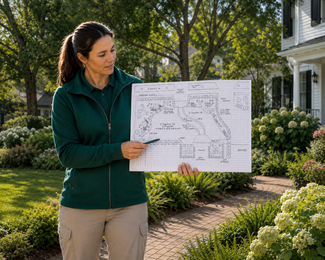
Inspired to grow a more naturally beautiful landscape? Our Pike Nurseries Landscape Designers can help you incorporate Southeastern native plants into a custom design that complements your home, supports local wildlife, and brings your outdoor vision to life.
Explore Our Landscape Design Service →Frequently Asked Questions
Find answers to common questions about choosing, planting, and caring for native plants in Georgia and North Carolina gardens.
What are the best native plants for Georgia and North Carolina?
Great choices include little bluestem, pink muhly grass, oakleaf hydrangea, flowering dogwood, and purple coneflower. The best plants for your garden depend on your exact location, sunlight, soil, and moisture conditions.
Do native plants need less water?
Many native plants require less supplemental watering once established in suitable conditions. However, newly planted natives still need regular watering, and moisture-loving species may require consistently damp soil.
When should I plant native plants in the Southeast?
Fall is an excellent planting season for many hardy native trees, shrubs, and perennials. Cooler temperatures and warm soil support root establishment. Spring may be preferable for some warm-season or cold-sensitive species.
Do native plants need fertilizer?
Many native plants grow well without routine fertilization. A soil test can help determine whether nutrients are needed. Excess fertilizer can sometimes encourage excessive leafy growth or reduce flowering.
Which native plants attract butterflies and bees?
Purple coneflower, butterfly weed, swamp milkweed, coreopsis, and summersweet are excellent choices for pollinator gardens. Milkweed plants also provide essential food for monarch butterfly caterpillars.
What native plants grow in shade?
Christmas fern, foamflower, oakleaf hydrangea, and many woodland natives grow beautifully in partial shade or shade. Choose plants suited to the moisture conditions in your garden.
Are all native plants drought-tolerant?
No. Native plants have different moisture requirements. Butterfly weed and little bluestem prefer drier, well-drained sites, while swamp milkweed and cinnamon fern naturally grow in moist environments.
Can I create a native garden in a small space?
Absolutely! Start with a few grouped perennials or a compact native shrub. Choose plants with different bloom times and heights to create seasonal interest and support pollinators, even in smaller garden beds.
Do native plants require special soil pH?
Not all native plants have the same soil pH requirements. Some prefer acidic soil, while others tolerate a broader range. Soil testing and choosing plants suited to your growing conditions are the best approaches.
