





June Gardening Guide: Keep Your Garden Colorful, Healthy & Growing
June brings the beginning of summer to gardens throughout Georgia and the Carolinas. Hydrangeas, crape myrtles, roses, gardenias, sunflowers, and pollinator plants are blooming, while warm-season vegetables and lawns are entering active growth.
This is the month to maintain consistent watering, refresh mulch, plant heat-loving color, continue succession planting, care for tomatoes and peppers, prune selected evergreens, clean up spring bulbs, support pollinators and birds, and prepare landscapes for hotter, drier weather.
What’s Taking Root This Month
Your June priorities at a glance.
- Plant blooming hydrangeas, crape myrtles, gardenias, and Rose of Sharon while flower color is easy to see.
- Continue planting gladiolus bulbs through mid-June for a succession of summer blooms.
- Grow basil, oregano, thyme, rosemary, and other culinary herbs near the kitchen.
- Remove spent vegetable plants, improve the soil, and plant second crops.
- Feed flower beds and repeat-blooming plants according to label directions.
- Prune selected arborvitae, junipers, yews, and hemlocks without cutting into bare old wood.
- Remove spring bulb foliage only after it has completely yellowed and died back.
- Divide bearded iris after bloom when clumps become crowded.
- Refresh mulch to conserve moisture, suppress weeds, and moderate soil temperature.
- Water deeply in the early morning rather than applying frequent shallow sprinklings.
- Raise the mower height and keep blades sharp to reduce lawn stress.
- Maintain Bermuda and other warm-season lawns as active growth increases.
- Keep birdbaths clean and feeders stocked during hot weather.
- Plant lantana, salvia, milkweed, echinacea, rudbeckia, and butterfly bush for pollinators.
What You’ll Find in This June Garden Guide
Why June Is an Important Gardening Month
June marks the transition from spring planting into summer maintenance. Temperatures are rising, days are long, and plants are using more water as they produce flowers, foliage, and fruit.
The most important gardening tasks this month are maintaining even soil moisture, reducing heat stress, refreshing mulch, monitoring for pests and disease, and continuing to plant heat-tolerant varieties.
Complete major planting projects early in the month when possible. Newly installed plants can still establish successfully in June, but they require careful watering as temperatures climb.
Plant More Summer Color
Heat-loving annuals and perennials can keep gardens colorful through summer. Choose plants based on the amount of sunlight, soil drainage, and irrigation available.
Color for Sunny Areas
Cora vinca, pentas, purslane, sunflowers, lantana, rudbeckia, echinacea, salvia, heliopsis, and Sunfinity or SunBelievable sunflowers thrive in bright conditions.
Vinca and purslane prefer excellent drainage and may struggle in soil that stays wet. Pentas, salvia, and lantana provide long-lasting flowers while attracting hummingbirds and butterflies.
Color for Shadier Areas
New Guinea impatiens, peace lilies in protected containers, hostas, ferns, coleus, and shade-tolerant begonias can bring color and foliage interest to covered patios and woodland gardens.
Sunflowers for Summer Impact
Traditional sunflowers, branching sunflowers, and compact patio forms provide bold color and valuable pollen. Plant in full sun and provide support for taller varieties.
Plant and Care for Hydrangeas
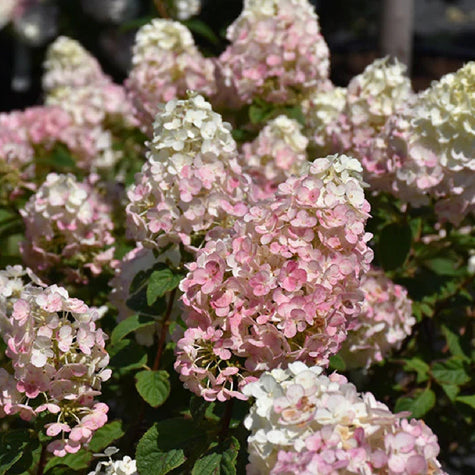
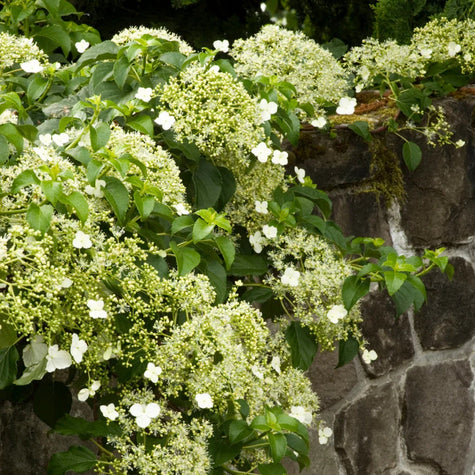
June is an excellent time to select hydrangeas because many are in bloom. Seeing the flowers makes it easier to compare color, flower form, and mature size.
Endless Summer, Quick Fire Fab, Little Lime Punch, Nantucket Blue, and other hydrangeas have different growth habits and pruning requirements. Confirm the type before pruning.
Watering Hydrangeas
Hydrangeas need consistent moisture during hot weather. Water deeply at the root zone and maintain a two- to three-inch mulch layer.
Temporary afternoon wilting can occur during extreme heat, but plants that remain wilted into the evening may need water.
Sunlight and Pruning
Bigleaf hydrangeas generally prefer morning sun and afternoon shade. Panicle hydrangeas tolerate more sun when moisture is adequate.
Avoid heavy pruning unless the bloom habit is known. Many bigleaf hydrangeas bloom on old wood, while panicle hydrangeas bloom on new growth.
Choose Crape Myrtles
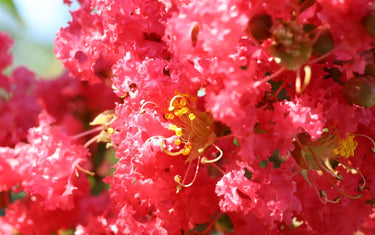
Crape myrtles provide summer flowers, attractive bark, and strong landscape structure. June is an ideal time to choose a variety because bloom color is easy to see.
Select crape myrtles based on mature size rather than pruning them repeatedly to fit a space. Dwarf and compact selections work well near foundations and patios, while larger varieties can serve as flowering shade trees.
Plant in full sun with good drainage. Water deeply during establishment and avoid piling mulch against the trunk.
Avoid Severe Topping
Do not cut mature crape myrtles back to large stubs. Severe topping creates weak shoots, ruins the natural form, and may increase maintenance.
Grow Rose of Sharon
Rose of Sharon is a summer-blooming shrub valued for upright growth and long-lasting flowers. It can be used as a flowering screen, specimen, or narrow vertical accent.
Choose named, well-behaved varieties such as White Pillar, Lady Bug, or other selections chosen for improved form and reduced seed production.
Plant in full sun to light shade with well-drained soil. Water consistently during establishment and allow enough room for mature growth.
Care for Gardenias
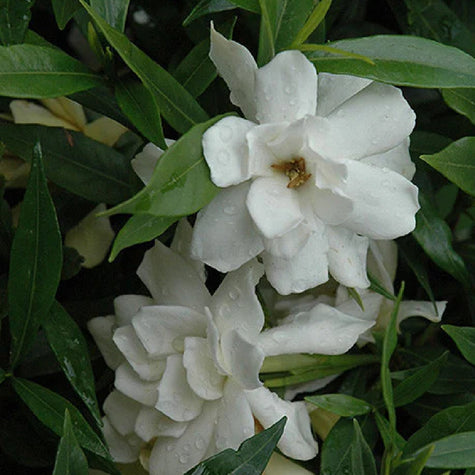
Gardenias provide glossy evergreen foliage and fragrant white flowers. Jubilation, Daisy, and other selections vary in mature size and bloom habit.
Plant gardenias in acidic, well-drained soil with morning sun and some afternoon protection. Maintain even moisture without allowing the roots to remain saturated.
Feed with a fertilizer labeled for acid-loving plants when needed. Yellow leaves may be caused by nutrient availability, poor drainage, root stress, or incorrect soil pH.
Continue Planting Gladiolus
Plant gladiolus bulbs every one to two weeks through mid-June to extend the bloom period.
Choose a sunny location with well-drained soil. Plant bulbs in groups for stronger visual impact and provide support for tall flower spikes in windy locations.
Gladiolus flowers are excellent for cutting. Harvest when the lowest flowers begin opening and place stems in clean water.
Grow Fresh Herbs for Cooking
Plant herbs in a sunny location near the kitchen so they are easy to harvest. Basil, oregano, thyme, rosemary, sage, parsley, dill, mint, and chives can grow in beds or containers.
Basil
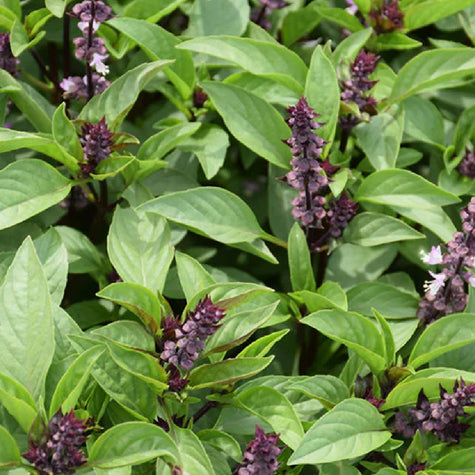
Basil thrives in warm weather. Harvest often and pinch flower buds to encourage leafy growth.
Rosemary, Thyme, and Oregano
These Mediterranean herbs prefer strong sun and excellent drainage. Avoid keeping the soil constantly wet.
Mint
Mint spreads aggressively and is usually easiest to manage in a container.
Herbs for Pollinators
Allow a few basil, oregano, thyme, dill, and chive plants to flower. Their blooms can provide nectar and pollen for beneficial insects.
Plant Second Crops
As spring vegetables finish, remove spent plants and plant new warm-season crops. Tomatoes, peppers, okra, cucumbers, beans, basil, and heat-tolerant herbs can continue producing through summer.
Remove old roots and diseased plant debris. Loosen compacted soil and blend in finished compost or planting mix.
A starter fertilizer or organic amendment may be incorporated according to label directions. Avoid overfertilizing, especially in hot weather.
Practice Crop Rotation
When space allows, avoid planting the same plant family in the same location repeatedly. Rotation can reduce the buildup of certain soilborne pests and diseases.
Maintain Tomatoes and Peppers
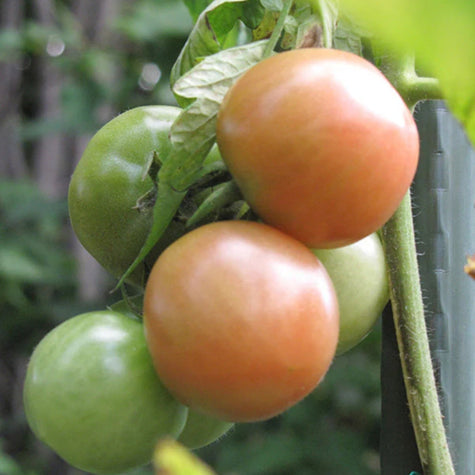
Tomatoes and peppers are actively producing in June and need regular monitoring.
Keep Moisture Consistent
Water deeply at the root zone and mulch around plants. Inconsistent watering can contribute to blossom-end rot, fruit cracking, and reduced production.
Support Growing Plants
Secure tomato stems to cages or stakes and support branches carrying heavy fruit. Avoid tying stems too tightly.
Harvest Frequently
Pick tomatoes, peppers, cucumbers, beans, basil, and herbs regularly to encourage continued production.
Hot peppers such as jalapeño and habanero develop stronger heat as they mature. Wear gloves when handling very hot peppers and avoid touching the eyes or face.
Create a Pollinator Garden
June is an active month for bees, butterflies, hummingbirds, and beneficial insects. A successful pollinator garden includes nectar plants, host plants, water, and shelter.
Reliable Pollinator Plants
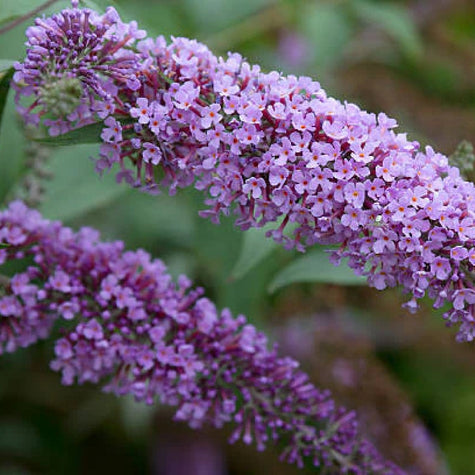
Milkweed, lantana, salvia, echinacea, rudbeckia, heliopsis, yarrow, pentas, sunflowers, monarda, butterfly bush, and flowering herbs provide nectar or pollen.
Milkweed also serves as a host plant for monarch caterpillars. Expect leaf feeding as part of the butterfly life cycle.
Provide Water
Use a shallow dish, pollinator puddler, or birdbath with stones that provide safe landing surfaces. Refresh water frequently to prevent mosquitoes.
Protect Beneficial Insects
Avoid broad-spectrum pesticides when pollinators are active. When treatment is necessary, identify the specific pest, select the least disruptive option, and follow the label.
Feed Flower Beds
Annuals, perennials, roses, hydrangeas, gardenias, and container plants may benefit from feeding during active growth.
Use a fertilizer labeled for the plant type and follow application rates carefully. Overfertilizing can burn roots, create excessive leafy growth, and increase water demand.
Water dry soil before applying granular fertilizer and rinse fertilizer from leaves when necessary.
Prune Evergreens Carefully
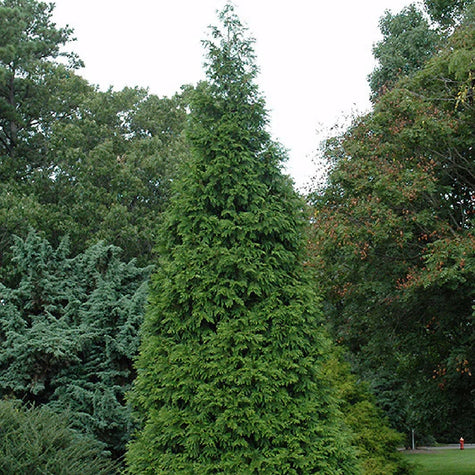
Arborvitae, junipers, yews, and hemlocks can be lightly shaped in early summer after active spring growth.
Remove dead, broken, or crossing branches first. Make selective cuts that maintain the plant’s natural form.
Avoid cutting arborvitae and junipers deeply into bare brown wood because many conifers will not produce new growth from old leafless stems.
Do not prune during extreme heat or drought, and avoid removing too much foliage at one time.
Clean Up Spring Bulbs and Divide Iris
Remove spring bulb foliage only after it turns completely yellow or brown. The leaves must remain in place long enough to replenish the bulb for next year.
Once foliage dies naturally, cut it near ground level and remove it from the bed.
Divide Bearded Iris
Bearded iris can be divided after flowering when clumps become crowded or flowering declines.
Lift the rhizomes carefully, discard soft or diseased sections, and replant healthy pieces near the soil surface. The upper portion of the rhizome should remain exposed rather than buried deeply.
Mulch for Summer
Mulch helps conserve water, regulate soil temperature, suppress weeds, and reduce soil splashing.
Maintain a layer approximately two to three inches deep. Use pine straw, shredded bark, pine bark nuggets, or another appropriate material.
Keep mulch away from trunks, stems, and crowns. Mulch piled against plants can trap moisture and encourage decay.
Water Deeply and Efficiently
During dry weather, a deep, thorough soaking is usually more beneficial than frequent light sprinkling. Deep watering encourages roots to grow farther into the soil.
Water Early
Water between approximately 6 and 10 a.m. when possible. Early watering reduces evaporation and gives foliage time to dry before night.
Check the Soil
Do not rely only on a fixed schedule. Rainfall, temperature, soil type, wind, mulch, and plant maturity all influence watering needs.
Use a rain gauge or inspect the soil several inches below the surface. Newly planted trees and shrubs need special attention because their roots remain concentrated near the original root ball.
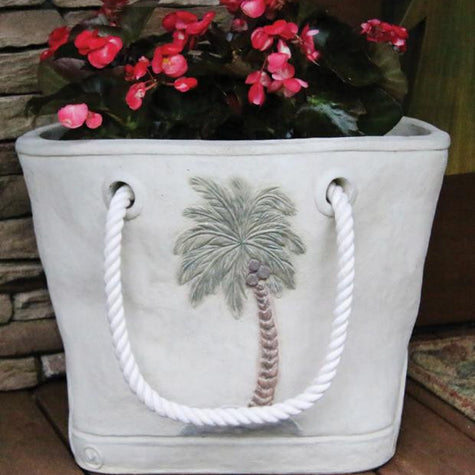
Care for Containers and Pottery
Containers dry quickly in June, particularly hanging baskets and dark-colored pots exposed to afternoon sun.
Check moisture daily and water thoroughly until excess drains from the bottom. Never leave pots standing in water unless the plant specifically prefers wet conditions.
Use a quality potting mix and feed container plants according to label directions. Water-retaining granules may help reduce rapid drying, but they do not replace regular monitoring.
Group plants with similar water and sunlight needs. Consider pentas, vinca, salvia, lantana, mandevilla, succulents, sunflowers, and mixed annual combinations.
Maintain Summer Houseplants
Continue feeding actively growing houseplants monthly or according to the selected fertilizer label.
Houseplants spending summer outdoors may need more frequent watering because of heat and wind. Check soil before watering and make sure containers drain freely.
Pothos and Other Easy Houseplants
Pothos tolerates a range of indoor light conditions and works well in hanging baskets or on shelves. It prefers bright, indirect light but can adapt to lower light.
Peace lilies and ZZ plants also tolerate indoor conditions well. Avoid direct outdoor sun, which can scorch their leaves.
Care for Summer Lawns
Warm-season lawns such as Bermuda, zoysia, and centipede are actively growing in June.
Water in the Early Morning
Water lawns early enough for the grass to dry during the day. Long periods of nighttime leaf wetness can encourage disease.
Raise the Mower Height
Raise the mower blade slightly as summer heat increases. Taller grass shades the soil, supports deeper roots, and can improve drought tolerance.
Keep Mower Blades Sharp
A sharp mower blade creates a clean cut. Dull blades tear grass, leaving ragged edges that lose moisture and may become more vulnerable to disease.
Fertilize Bermuda Appropriately
Continue feeding Bermuda lawns according to local recommendations and soil-test results. Avoid excessive nitrogen, especially during drought or extreme heat.
Monitor for Lawn Disease
Warm, humid weather can encourage fungal disease. Confirm the problem before applying a fungicide and use only products labeled for the turf type and disease.
Lay Sod Successfully
June can be a good time to install Bermuda, zoysia, centipede, and other warm-season sod because the grasses are actively growing.
Prepare the soil by removing debris, correcting the grade, loosening the surface, and adding soil amendments only when needed.
Lay sod tightly with staggered seams, roll it for good soil contact, and water immediately. Keep the root zone consistently moist during establishment without leaving the soil saturated.
Support Backyard Birds
Birds need reliable food and water during hot weather. Keep seed feeders filled with fresh seed and clean them regularly.
Hummingbird feeders should contain one part plain white sugar to four parts water. Replace nectar frequently in hot weather and clean feeders thoroughly.
Keep Birdbaths Clean
Rinse and refill birdbaths often. Scrub away algae and place the bath where birds can see approaching predators.
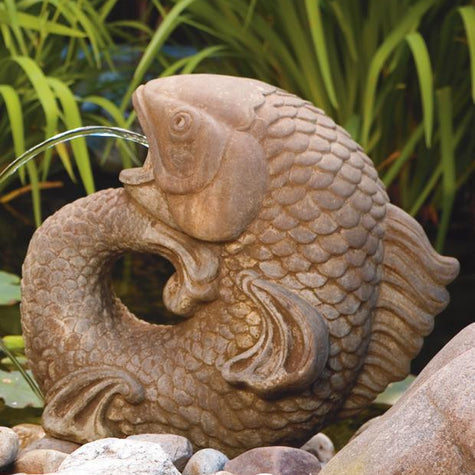
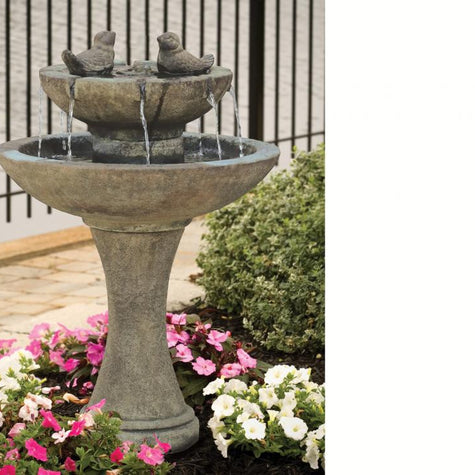
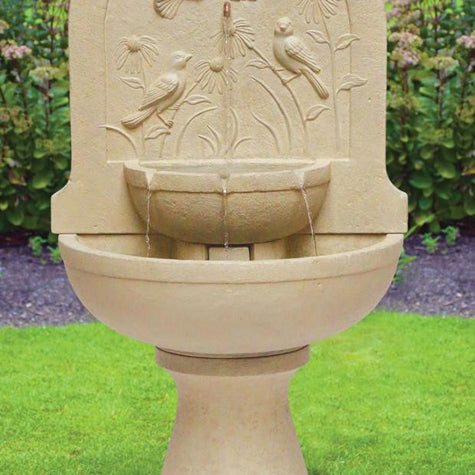
Use a shallow basin or add stones to provide secure footing. Moving water from a dripper or fountain can help attract birds.
Refresh Outdoor Living Spaces
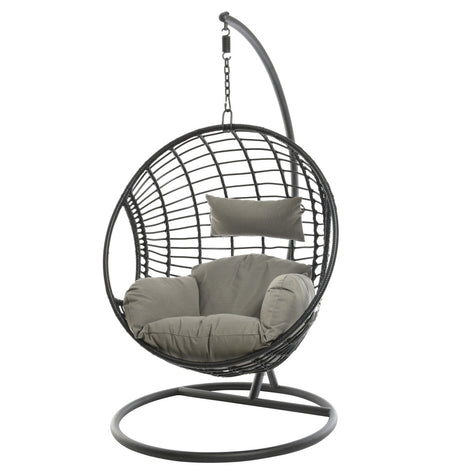
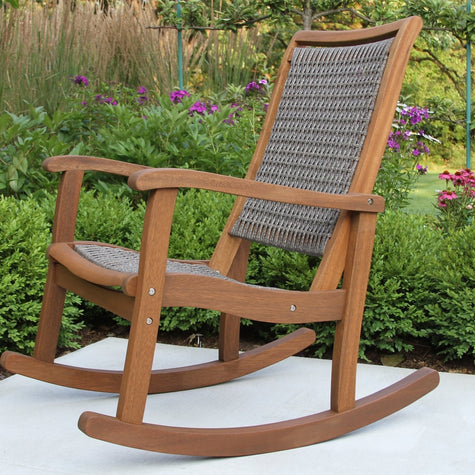
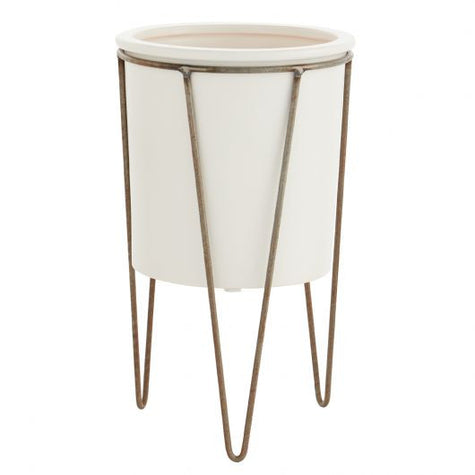
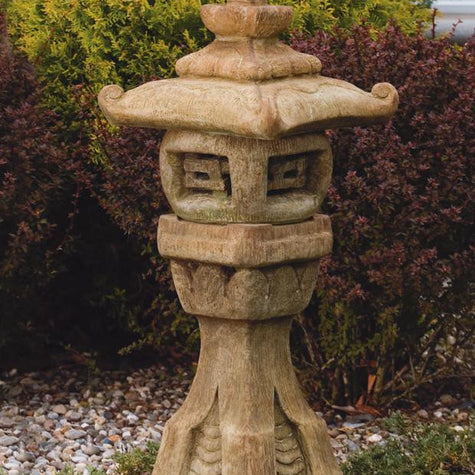
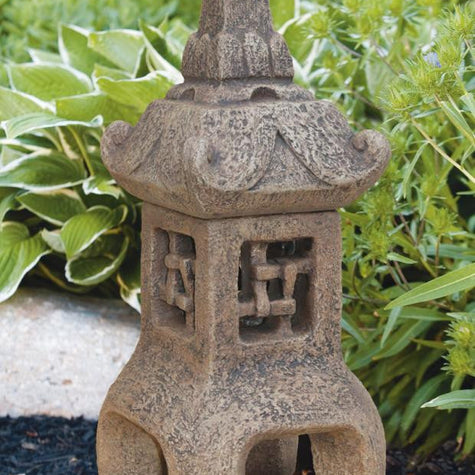
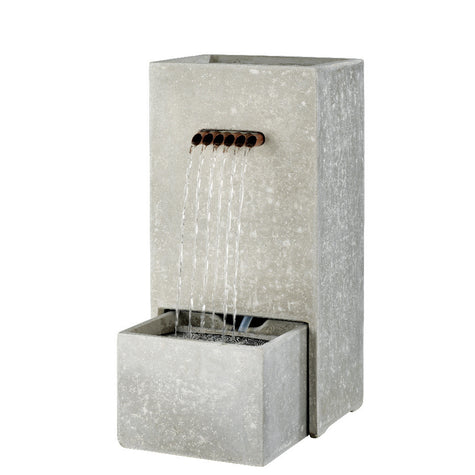
Patios, porches, and decks become extensions of the home in June. Use furniture, umbrellas, pottery, fountains, statuary, and lighting to create comfortable outdoor rooms.
Bistro sets work well for small patios, while dining groups and deep-seating collections support larger gatherings.
Add planters filled with heat-loving annuals, herbs, succulents, or tropical plants. Repeat colors and materials from the home and garden for a cohesive look.
Plan Your Landscape
June reveals which areas of the landscape become too hot, too dry, too shady, or difficult to maintain. Use these observations to guide future improvements.
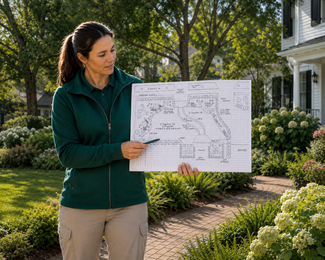
A landscape plan can help organize shade trees, flowering shrubs, pollinator plants, lawns, pathways, patios, screening plants, and drainage solutions.
Professional guidance can also help match plants to local conditions, account for mature size, and create a phased installation plan.
Create a Landscape You’ll Enjoy All Summer
A Pike landscape designer can visit your property, discuss your goals, and create a personalized plan suited to your home, lifestyle, and local growing conditions.
Explore Landscape DesignJune Garden Checklist
- Plant hydrangeas while bloom color is easy to see.
- Choose crape myrtles based on mature size and flower color.
- Plant Rose of Sharon in sunny, well-drained locations.
- Water newly planted gardenias consistently.
- Plant gladiolus bulbs through mid-June for successive blooms.
- Add Cora vinca, pentas, purslane, lantana, salvia, and sunflowers.
- Plant New Guinea impatiens and peace lilies in protected shade.
- Harvest basil regularly and pinch off flower buds.
- Plant oregano, thyme, rosemary, sage, mint, and dill.
- Remove spent spring vegetables and diseased plant debris.
- Loosen soil and add finished compost or planting mix.
- Plant second crops of tomatoes, peppers, cucumbers, beans, okra, and herbs.
- Secure tomatoes to cages or stakes.
- Harvest tomatoes, peppers, beans, cucumbers, and herbs frequently.
- Plant milkweed, echinacea, rudbeckia, salvia, yarrow, and butterfly bush.
- Provide shallow water sources for pollinators.
- Feed flower beds according to plant needs and label directions.
- Lightly prune arborvitae, junipers, yews, and hemlocks as needed.
- Avoid cutting conifers back into bare old wood.
- Remove spring bulb foliage only after it dies naturally.
- Divide crowded bearded iris after flowering.
- Refresh mulch to a depth of two to three inches.
- Keep mulch away from trunks, stems, and crowns.
- Water established gardens deeply during dry weather.
- Water in the early morning when possible.
- Check container moisture daily during hot weather.
- Feed container plants according to label directions.
- Continue feeding actively growing houseplants.
- Protect pothos, peace lilies, and ZZ plants from direct outdoor sun.
- Water lawns early enough for foliage to dry before night.
- Raise the mower height slightly for summer.
- Sharpen mower blades for clean cuts.
- Feed Bermuda lawns according to local recommendations.
- Monitor warm-season lawns for disease.
- Install sod and maintain consistent moisture during establishment.
- Clean and refill bird feeders.
- Refresh hummingbird nectar frequently.
- Clean birdbaths and keep them full.
- Refresh patios with pottery, fountains, furniture, and lighting.
- Evaluate the landscape for future shade, privacy, and drainage improvements.
Frequently Asked Questions
Find answers to common questions about June flowers, hydrangeas, crape myrtles, herbs, second vegetable crops, watering, pruning, lawns, houseplants, pollinators, and backyard birds in Georgia and the Carolinas.
Can I plant hydrangeas in June?
Yes. Hydrangeas can be planted in June, but they need consistent watering and protection from severe afternoon heat while establishing.
How often should I water my garden in June?
Water deeply when the soil begins drying below the surface. Frequency varies with rainfall, temperature, soil type, mulch, and plant maturity.
What vegetables can I plant for a second crop?
Heat-tolerant options include beans, cucumbers, okra, peppers, tomatoes, basil, and other warm-season herbs.
When should I stop planting gladiolus?
Continue planting gladiolus every one to two weeks through approximately mid-June for a succession of summer flowers.
Can I prune arborvitae and junipers in June?
Light shaping is generally appropriate after spring growth. Avoid cutting deeply into bare old wood because many conifers will not regrow from those areas.
When can I remove spring bulb foliage?
Remove foliage only after it has completely yellowed or browned. Green leaves are still storing energy for next year’s flowers.
Is June a good time to lay sod?
Yes. Warm-season grasses establish well during active growth, provided the soil is prepared correctly and the sod is watered consistently.
Why should I raise my mower height in summer?
Taller grass shades the soil, encourages deeper roots, and may improve tolerance to heat and dry weather.
What plants attract pollinators in June?
Milkweed, lantana, salvia, echinacea, rudbeckia, yarrow, pentas, bee balm, sunflowers, butterfly bush, and flowering herbs are strong choices.
How often should hummingbird nectar be changed in summer?
Replace nectar every few days and more frequently during very hot weather. Clean the feeder thoroughly whenever the solution looks cloudy or contaminated.
Help Your Garden Thrive Through Summer
June gardening is about balancing continued planting with thoughtful summer care. Deep watering, proper mowing, fresh mulch, regular harvesting, pollinator support, and careful plant maintenance can keep your landscape colorful, productive, and healthy as temperatures rise.
