








October Gardening Guide: Fall Planting, Fescue Lawns & Color That Lasts
October is one of the most rewarding months to garden in Atlanta, Charlotte, and communities throughout the Southeast. Cooler temperatures make outdoor projects more comfortable, while warm soil encourages roots to continue developing long after top growth begins to slow. These conditions make fall an excellent time to plant trees, shrubs, perennials, spring-flowering bulbs, and cool-season color.
This month is also important for fescue lawn renovation, soil improvement, seasonal containers, wildlife support, and preparing tropical plants for indoor living. Whether you are refreshing a porch with pansies and pumpkins or planning a complete landscape transformation, October offers an ideal window to establish plants before winter and prepare your garden for a beautiful spring.
What’s Taking Root This Month
Your October priorities at a glance.
- Plant trees, shrubs, perennials, and ground covers while the soil is still warm.
- Refresh beds and containers with pansies, violas, snapdragons, mums, and colorful foliage.
- Overseed or establish fescue lawns during the ideal fall planting window.
- Apply pre-emergent to Bermuda and zoysia lawns when appropriate.
- Plant daffodils, hyacinths, tulips, and other spring-flowering bulbs.
- Improve garden soil with organic amendments and high-quality planting mix.
- Divide and transplant established perennials.
- Bring tropical plants indoors after checking them carefully for pests.
- Support migrating birds with food, water, shelter, and berry-producing plants.
- Begin landscape design and installation projects before winter arrives.
What You’ll Find in This October Garden Guide
Why Fall Is the Best Time to Plant
Fall is one of the best planting seasons in the Southeast because cooler air temperatures reduce stress on newly installed plants while the soil remains warm enough for continued root growth. Trees, shrubs, perennials, and ground covers planted in October can begin establishing their root systems before winter and are often better prepared for the heat and drought of the following summer.
Spring planting can also be successful, but plants installed in fall generally have more time to develop roots before they face intense summer conditions. This can mean less transplant shock, improved water efficiency, and stronger growth during the next growing season.
Newly planted material still requires consistent care. Water thoroughly at planting, continue checking soil moisture throughout fall, and maintain a two- to three-inch layer of mulch around the root zone. Keep mulch several inches away from trunks and stems.
Tip from Our Garden Experts
Even when temperatures feel cool, newly planted trees and shrubs can dry out. Check the soil below the mulch and water slowly when the root ball begins to feel dry.
Create Lasting Fall and Winter Color
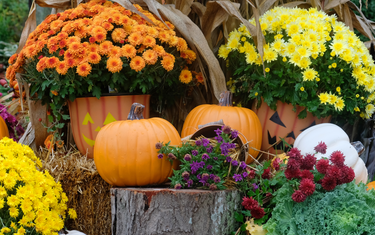
October is the perfect time to replace tired summer annuals with flowers and foliage that thrive in cooler weather. Pansies, violas, snapdragons, mums, cyclamen, and ornamental vegetables can bring rich color to porches, patios, entryways, and garden beds.
Pansies and violas are dependable choices for cool-season color. Use them in mass plantings, window boxes, hanging baskets, or mixed containers. Snapdragons add upright height, while heuchera, ornamental cabbage, kale, mustard, and Swiss chard contribute dramatic foliage and texture.
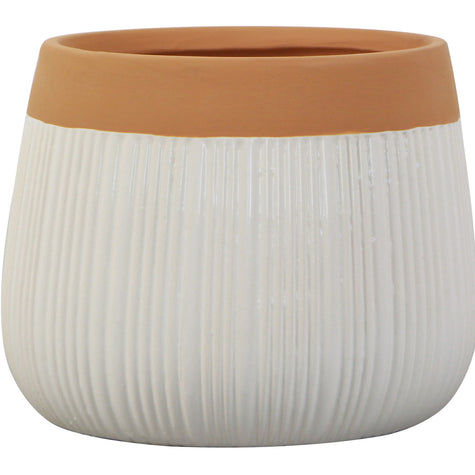
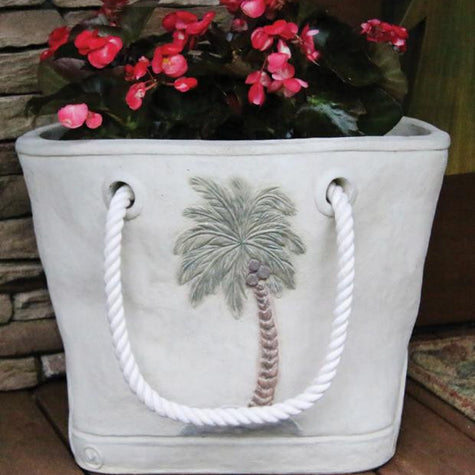
For a layered container, combine a tall focal plant with medium-height fillers and trailing or spreading plants around the edge. Add pumpkins, seasonal décor, or decorative pottery to complete the display.
October Color Favorites
- Pansies and violas
- Snapdragons
- Mums
- Heuchera
- Hellebores
- Ornamental cabbage and kale
- Ornamental mustard and Swiss chard
- Cyclamen
- Ornamental peppers
Plant Trees and Shrubs
October is an excellent month to add shade, privacy, structure, flowers, and seasonal interest to your landscape. Trees and shrubs planted now can establish roots during the cooler months and become better prepared for summer heat.
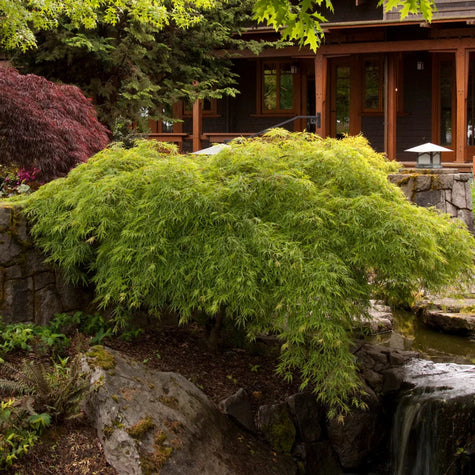
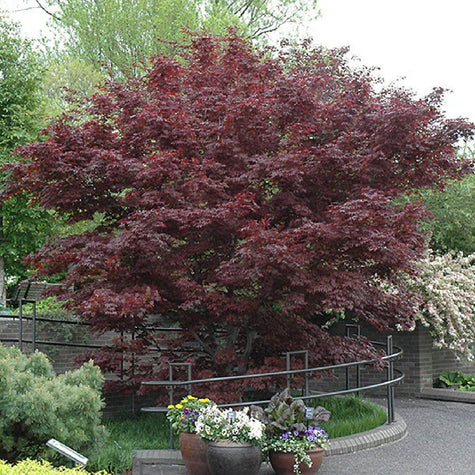
Shade trees can help make patios, lawns, and outdoor living spaces more comfortable while potentially reducing summer energy costs. Flowering trees such as redbuds, cherries, dogwoods, and Japanese maples can add spring flowers, distinctive form, and colorful fall foliage.
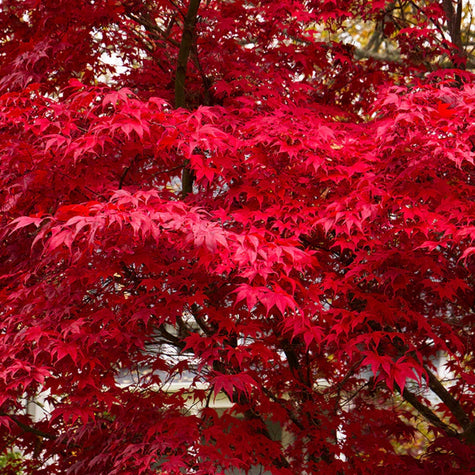
Japanese maples such as Bloodgood, Crimson Queen, Red Dragon, and Orangeola make beautiful specimen plants. Choose a location with suitable light, good drainage, and enough room for the tree’s mature size. Many Japanese maples benefit from protection from the strongest afternoon sun.
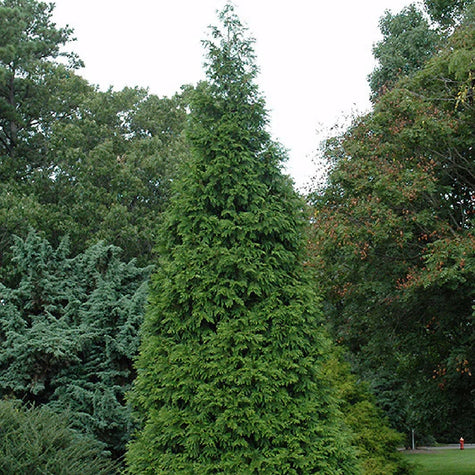
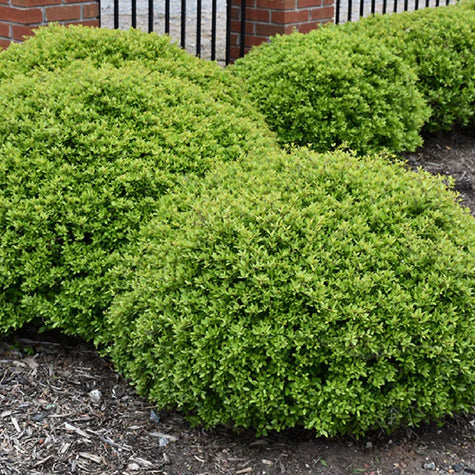
For evergreen structure, consider hollies, boxwoods, arborvitae, loropetalum, ligustrum, conifers, tea olive, and other shrubs suited to your specific site conditions.
Camellias, Azaleas and Southern Favorites
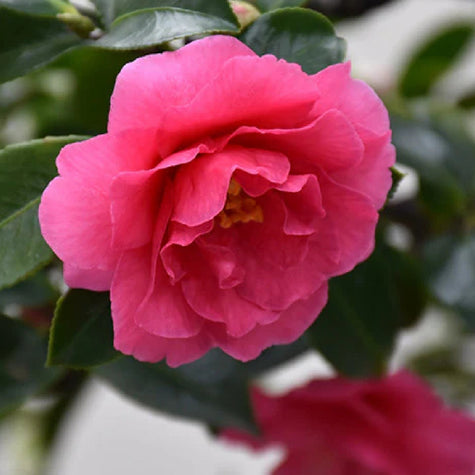
Camellias are classic Southern garden plants valued for glossy evergreen foliage and flowers that appear during fall, winter, or early spring depending on the variety. Camellia sasanqua varieties such as Shishigashira, Yuletide, Autumn Rocket, and Hot Flash often begin flowering during the cooler months. Camellia japonica varieties generally bloom later and can extend the flowering season.
Encore, Bloom-A-Thon, and other reblooming azaleas can provide multiple seasons of flowers when planted in appropriate light and well-drained, acidic soil. Fall planting gives their roots time to establish before the next spring and summer.
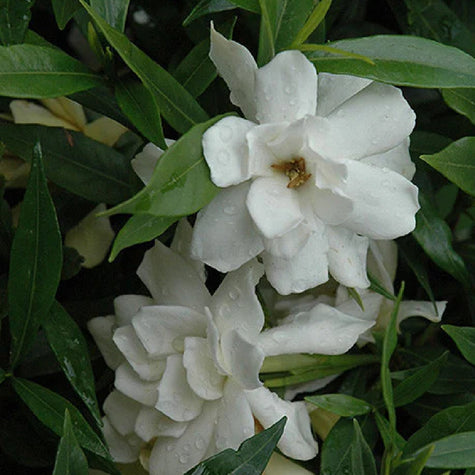
When planting camellias, azaleas, gardenias, and other acid-loving plants, avoid planting too deeply. Position the top of the root ball slightly above the surrounding soil level in poorly drained or heavy soils, and amend the planting area as needed.
Build Better Soil This Fall
Healthy soil supports stronger roots, better water movement, improved nutrient availability, and more resilient plants. Fall is a good time to improve planting beds by incorporating organic matter and correcting drainage or compaction problems.
Use a quality planting mix such as IncrediSoil Planting Mix or another soil amendment recommended for your project. For containers, use a potting mix rather than native garden soil. Potting mixes are designed to provide the drainage and aeration that container-grown plants need.
Root-supporting products such as Espoma Bio-tone Starter Plus may be used when planting trees, shrubs, and perennials when consistent with label directions. Bone meal or bulb food may be appropriate for spring-flowering bulbs depending on your soil and the product label.
Avoid automatically adding large amounts of amendment to every planting hole. The best approach depends on the plant, soil type, drainage, and surrounding site conditions. A Pike expert can help you select the appropriate materials for your project.
Divide and Refresh Perennials
October is a good time to divide many overgrown perennial clumps, including daylilies, daisies, hostas, and coneflowers. Division can improve plant vigor, reduce crowding, and provide additional plants for other areas of the garden.
Water the plant before digging, lift the root system carefully, and separate healthy sections with roots and growing points attached. Replant divisions promptly at the same depth they were previously growing and water thoroughly.
Extra divisions make excellent “pass-along” plants for friends, neighbors, and family members. Avoid dividing plants that are actively flowering heavily, newly planted, stressed, or poorly suited to fall division.
Add Vines and Ground Covers
Vines and ground covers can soften hard edges, cover bare soil, reduce erosion, and add texture beneath trees or along pathways. October’s cooler temperatures make it a comfortable time to plant and establish these useful landscape plants.
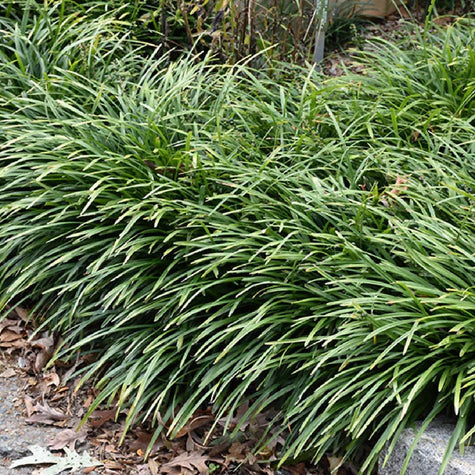
Depending on sunlight and site conditions, options may include clematis, mondo grass, liriope, creeping raspberry, juniper, carex, and selected evergreen ground covers. Choose plants based on mature size, growth rate, moisture needs, and whether the location receives sun or shade.
Some vines and ground covers can spread aggressively. Ask a Pike expert about appropriate choices for your garden and avoid planting species that may become invasive in your area.
Plant Spring-Flowering Bulbs
Planting bulbs in fall is one of the easiest ways to create a colorful spring garden. Daffodils, hyacinths, crocus, and many other spring-flowering bulbs require a period of cool weather before they bloom.
Choose a location with good drainage and enough sunlight for the selected bulb. Plant at the depth and spacing recommended on the package, generally with the pointed end facing upward. Water after planting to settle the soil around the bulbs.
Tulips can be more challenging in warmer areas of the Southeast and may perform best when pre-chilled or treated as annual color. Daffodils are often more dependable and may naturalize over time when planted in favorable conditions.
For an extended display, combine bulbs with different bloom times or layer compatible bulbs at different depths in large containers. A light application of a labeled bulb fertilizer, Espoma Bone Meal, or Pennington Bulb Food may be used according to package directions.
October Fescue Lawn Care
From approximately mid-September through mid-October, soil and air temperatures are often favorable for establishing or overseeding tall fescue lawns in much of the Southeast. Seeding during fall allows young grass to develop roots before the stressful heat of summer returns.
Prepare the Lawn
Mow the existing lawn slightly lower than normal, remove heavy debris, and create good seed-to-soil contact. Core aeration can help reduce compaction and create openings where seed can settle.
Apply Seed Evenly
Use a high-quality fescue seed suitable for your lawn conditions. Apply the seed at the rate listed on the package. More seed is not always better, since overcrowding can create weak growth and disease problems.
Use Starter Fertilizer When Appropriate
A starter fertilizer may support early root development when applied according to product directions and local recommendations. Soil testing can help identify nutrient needs and prevent unnecessary fertilizer applications.
Keep the Seedbed Moist
Newly seeded areas must remain consistently moist during germination. Apply light water as often as needed to prevent the upper layer of soil from drying out, then gradually reduce frequency and increase watering depth as the grass becomes established.
Delay the First Mowing
Wait until the new grass reaches the recommended mowing height before mowing. Use a sharp blade and avoid removing more than one-third of the leaf blade at one time.
Important Pre-Emergent Reminder
Do not apply a standard pre-emergent herbicide to areas where you plan to seed fescue unless the product label specifically states that it is compatible. Many pre-emergents prevent both weed seeds and grass seed from germinating.
Warm-Season Lawn Care
Bermuda, zoysia, centipede, and St. Augustine lawns begin slowing as temperatures cool. Continue mowing as needed, but adjust the mowing height gradually and avoid scalping the lawn.
General mowing ranges can vary by grass variety, equipment, site conditions, and maintenance level. Fescue and St. Augustine are often maintained higher than closely managed Bermuda or zoysia. Follow guidance appropriate for your specific turf type rather than making a sudden, dramatic height change.
A fall pre-emergent may help control winter weeds such as annual bluegrass, henbit, and chickweed in established Bermuda or zoysia lawns. Timing is important, and the product must be labeled for your grass type. Do not use it where fall fescue seeding is planned unless the label specifically permits it.
Plant Cool-Season Vegetables and Herbs
October is a productive month for edible gardening. Cool-season vegetables and herbs can thrive as temperatures become milder. Depending on local conditions, consider planting kale, spinach, salad greens, beets, onions, garlic, cabbage, mustard, Swiss chard, rosemary, sage, and thyme.
Choose a site with adequate sunlight and well-drained soil. Mix compost or an appropriate soil amendment into new beds, and maintain even moisture while plants establish.
Many leafy greens can be harvested by removing the outer leaves while allowing the center of the plant to continue growing. Herbs such as rosemary, sage, and thyme can be planted in garden beds or containers near the kitchen for convenient harvesting.
Bring Tropical Plants Indoors
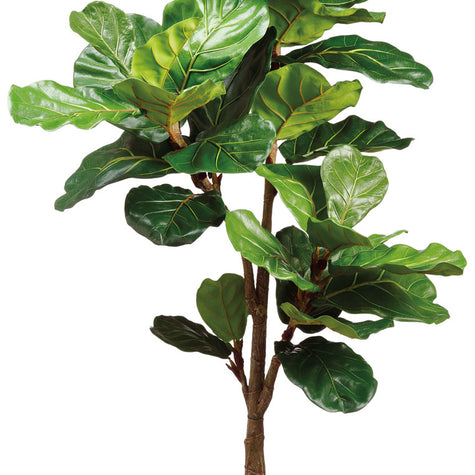
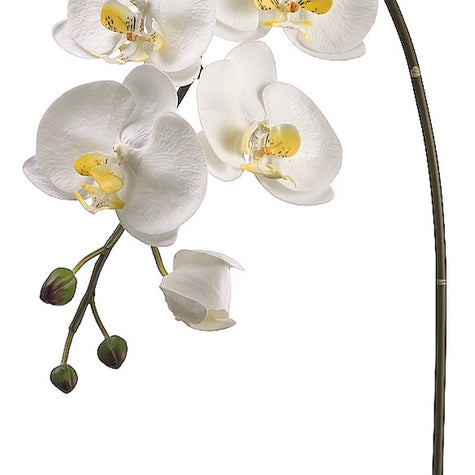
If houseplants, citrus, hibiscus, crotons, orchids, or other tropical plants spent the summer outdoors, begin preparing them for indoor conditions before cold nights arrive.
Inspect the leaves, stems, soil surface, and drainage holes for insects. Check carefully for scale, mealybugs, aphids, mites, ants, and other pests. Remove dead foliage, rinse dusty leaves, and isolate plants temporarily before placing them near your existing indoor plant collection.
An insecticidal soap or systemic insecticide may be appropriate for certain pests and plants, but always confirm that the product is labeled for the specific plant, pest, and application site. Follow all label directions.
Indoor light levels are generally lower than outdoor light. Move plants gradually, place them near suitable windows, and expect their water needs to decrease. Check the soil before watering rather than continuing the same summer schedule.
Support Birds and Wildlife
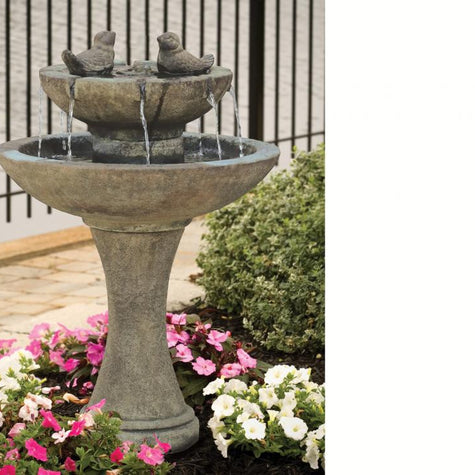
Keep bird feeders clean and stocked as natural food sources begin changing with the season. Continue cleaning and refilling birdbaths so birds have access to fresh water.
Do not remove hummingbird feeders simply because summer is ending. Feeders can support migrating hummingbirds passing through the region. Keep nectar fresh and maintain the feeder until hummingbird activity has stopped for the season.
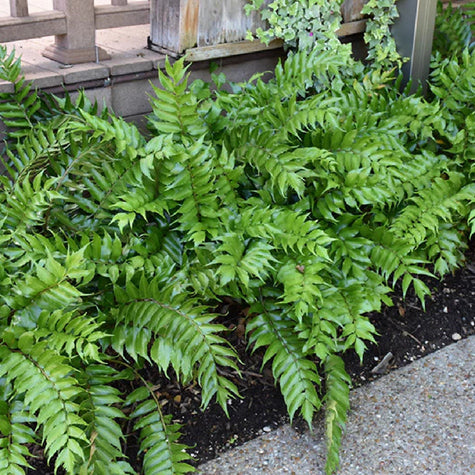
Berry-producing shrubs and trees can provide food, shelter, and nesting habitat. Hollies, pyracantha, mahonia, blueberries, serviceberries, and other wildlife-friendly plants can make the garden more attractive to birds while adding seasonal interest.
Plan Your Fall Landscape
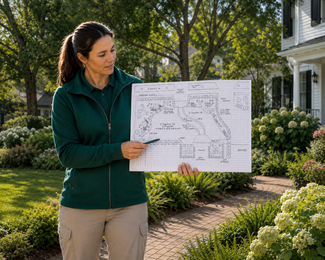
October’s comfortable temperatures and favorable planting conditions make it an excellent time to take on larger outdoor projects. Consider adding shade trees, creating privacy, redesigning foundation beds, improving curb appeal, or building a layered landscape with trees, shrubs, perennials, and seasonal color.
A successful layered landscape often includes tall structural plants, medium-height shrubs, lower fillers, ground covers, and seasonal accents. For example, a dogwood or tea olive may provide height, gardenias and arborvitae can fill the middle layer, and pansies, cyclamen, carex, or ground covers can soften the front edge.
Bring Your Outdoor Vision to Life
Pike’s Landscape Design service can help you create a personalized outdoor plan suited to your home, lifestyle, sunlight, and local growing conditions.
Explore Landscape DesignMake Planting Easier
Proper planting is one of the most important steps in helping new trees and shrubs succeed. Pike experts can help you select plants suited to your location and explain planting depth, soil preparation, watering, mulch, and ongoing care.
Ask your neighborhood Pike Nurseries about available planting support, Pick & Plant services, Landscape Design, ProCare consultations, and applicable guarantees. Services and availability may vary by location.
October Garden Checklist
- Plant trees, shrubs, perennials, vines, and ground covers.
- Water newly planted material deeply and consistently.
- Refresh beds and containers with cool-season color.
- Add pumpkins and seasonal décor to porches and patios.
- Improve planting beds with appropriate organic amendments.
- Divide overgrown daylilies, hostas, daisies, and coneflowers.
- Plant daffodils, hyacinths, crocus, and other spring bulbs.
- Seed or overseed fescue during the recommended fall window.
- Keep new grass seed consistently moist during germination.
- Apply pre-emergent only where compatible with your lawn plans.
- Plant cool-season vegetables, leafy greens, and herbs.
- Inspect tropical plants before bringing them indoors.
- Clean and refill bird feeders, birdbaths, and hummingbird feeders.
- Plant berry-producing shrubs for birds and seasonal interest.
- Evaluate your landscape and plan larger fall projects.
- Maintain two to three inches of mulch around new plantings.
Frequently Asked Questions
Find answers to common questions about October planting, fescue lawns, seasonal color, bulbs, and fall garden care in Georgia and the Carolinas.
Is October a good month to plant trees in Georgia and North Carolina?
Yes. Cooler air temperatures and warm soil make October an excellent time to plant many trees. Roots can begin establishing before winter, helping the tree prepare for the following summer. Continue watering newly planted trees during dry periods.
Can I still plant shrubs in October?
October is one of the best months to plant or transplant many shrubs in the Southeast. Select plants suited to the site, plant at the correct depth, water thoroughly, and maintain mulch around the root zone.
When should I overseed a fescue lawn?
Mid-September through mid-October is often the preferred window in much of the Southeast, although exact timing depends on local weather and elevation. Seed early enough for the grass to establish before cold weather.
Should I fertilize after overseeding fescue?
A starter fertilizer may be beneficial when used according to label directions and your lawn’s nutrient needs. A soil test can help determine which nutrients are needed and prevent unnecessary applications.
Can I plant pansies in October?
Yes. October is an excellent time to plant pansies and violas for fall, winter, and early spring color. Plant them in well-drained soil, provide adequate light, and water consistently while they establish.
When should I plant spring-flowering bulbs?
Most spring-flowering bulbs are planted in fall after temperatures begin cooling. Daffodils, hyacinths, and crocus can be planted during October, while tulips may require pre-chilling in warmer areas. Follow the package directions for local timing and planting depth.
How often should I water newly planted shrubs?
Water thoroughly at planting and check the root ball regularly during the first several weeks. Frequency depends on rainfall, temperature, soil, drainage, and plant size. Water when the root zone begins to dry rather than following a rigid schedule.
Can I divide hostas and daylilies in October?
Many established hostas and daylilies can be divided in fall. Replant healthy divisions promptly, water them thoroughly, and allow enough time for roots to settle before the ground becomes very cold.
When should I bring tropical plants indoors?
Bring tropical plants indoors before nighttime temperatures fall below the range they tolerate. Inspect them for pests first and transition them gradually to lower indoor light levels.
Why is fall better than spring for planting?
Fall planting allows roots to grow in warm soil while cooler air reduces heat stress. Plants established in fall often have more time to develop roots before facing summer heat than plants installed in late spring.
Make the Most of October in the Garden
October’s cooler weather and warm soil create excellent conditions for planting, lawn renovation, soil improvement, seasonal color, and outdoor projects. A little work now can help create stronger plants, a greener lawn, and a more colorful landscape through winter and into spring.
