









September Gardening Guide: Fall Planting, Lawn Care & Seasonal Color
September brings the first signs of fall to gardens across Atlanta, Charlotte, and the surrounding Southeast. While afternoons may still feel warm, cooler nights and gradually moderating temperatures create ideal conditions for refreshing containers, planting trees and shrubs, renovating fescue lawns, and starting cool-season vegetables.
This is the month when the garden begins to shift from summer survival to fall renewal. Warm soil continues to encourage root growth, seasonal color arrives in abundance, and gardeners can begin projects that will improve their landscapes for months or even years to come.
What’s Taking Root This Month
Your September priorities at a glance.
- Welcome fall with colorful mums, pumpkins, ornamental peppers, and layered porch containers.
- Take advantage of warm soil and cooler weather to plant trees, shrubs, perennials, and cool-season vegetables.
- Prepare fescue lawns for overseeding while giving warm-season lawns the care they need before dormancy.
What You’ll Find in This September Garden Guide
Why Fall Is One of the Best Times to Plant
Spring may get most of the attention, but fall is one of the most dependable planting seasons in the Southeast. In September, the soil is still warm from summer while air temperatures begin to ease. This combination gives roots time to grow without forcing plants to support as much heat-stressed top growth.
Trees, shrubs, and perennials planted in fall can spend the cooler months becoming established before the return of summer heat. Although growth above ground may slow later in the season, roots can continue developing whenever soil temperatures remain favorable.
Fall planting can be especially helpful because:
- Warm soil encourages new root development.
- Cooler air reduces moisture loss through leaves.
- Seasonal rainfall may help supplement irrigation.
- Plants have more time to establish before summer stress.
- Gardeners can evaluate the landscape after a full growing season.
Successful planting still depends on choosing the right plant for the location. Consider mature size, sunlight, drainage, soil conditions, and how the plant will relate to nearby structures. A compact shrub planted beneath a window has very different requirements from a shade tree placed near a driveway or property line.
Tip from Our Garden Experts
When planting, dig a hole wider than the root ball but no deeper. Position the plant so the top of the root ball sits level with, or slightly above, the surrounding soil. Backfill carefully, water thoroughly, and finish with a layer of mulch kept several inches away from the trunk or main stems.
Refresh Your Porch with Instant Fall Color
Few plants announce the arrival of fall like garden mums. Their rounded shape and abundance of blooms make them an easy way to refresh porches, patios, steps, and entryways. Use one large mum as a focal point or group several sizes together for a fuller, more layered display.
Create a welcoming fall arrangement by combining mums with:
- Pumpkins and heirloom pumpkins
- Mini pumpkins and decorative gourds
- Ornamental peppers
- Celosia
- Millet
- Zinnias
- Marigolds
- Snapdragons
- Heuchera
- Trailing ivy or evergreen accents
Choose plants and décor in varying heights, textures, and colors. Traditional orange and yellow feel warm and classic, while white pumpkins, burgundy foliage, deep purple flowers, and glazed pottery create a more refined autumn palette.
How to Keep Mums Looking Their Best
Mums in containers can dry out quickly, especially when September afternoons remain warm. Check the soil frequently and water thoroughly whenever the upper layer begins to feel dry. Direct water toward the soil rather than the flowers, and make sure decorative containers allow excess water to drain.
For the longest display, choose plants with plenty of unopened buds. Place them where they receive bright light and some protection from the hottest afternoon sun. Remove faded blooms to keep the arrangement neat and allow remaining buds to take center stage.
Bring Fall Home
Layer mums, pumpkins, ornamental peppers, and seasonal pottery for an easy porch refresh that celebrates the season.
Find Your Local PikePlant Trees and Shrubs for Lasting Beauty
September is an excellent time to add structure, privacy, shade, and multi-season interest to the landscape. Planting now gives roots a valuable head start before winter and helps plants become better prepared for next summer.
Japanese Maples
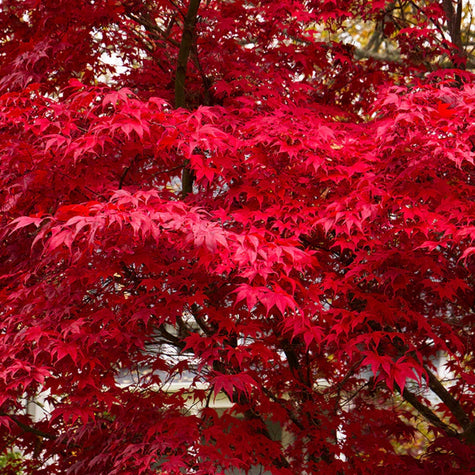
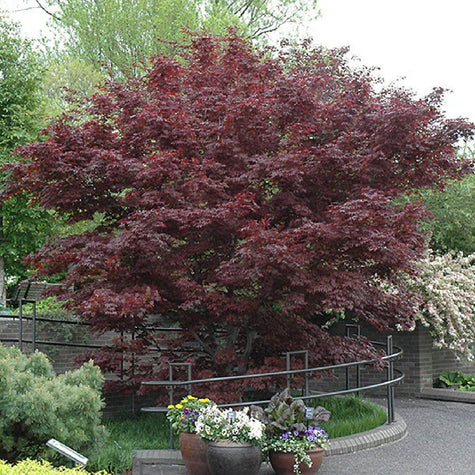
Japanese maples bring graceful branching, finely textured foliage, and brilliant seasonal color to the garden. They are especially effective as focal points near patios, courtyards, woodland edges, and shaded entry gardens. Select a location with protection from harsh afternoon sun and drying winds, and provide well-drained soil with consistent moisture.
Redbuds and Flowering Trees
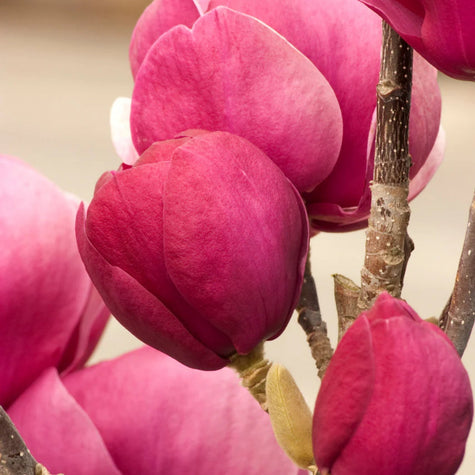
Redbuds are treasured for their spring flowers and attractive heart-shaped foliage. Varieties with colorful new growth can provide interest long after the blooms fade. Flowering cherries are another beautiful option for creating a spring focal point while adding structure to the landscape throughout the year.
Evergreens for Privacy
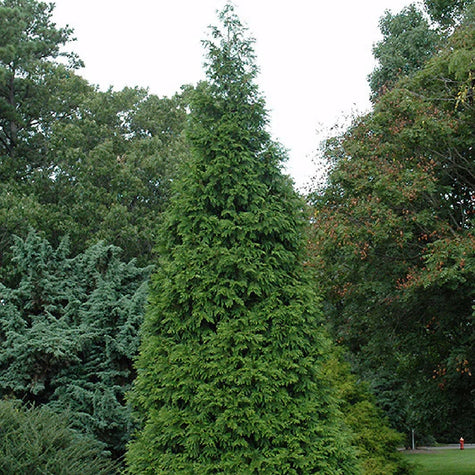
Arborvitae and other evergreen shrubs can create living screens that soften property lines, frame outdoor spaces, and provide year-round greenery. Before planting a hedge, confirm the mature width of the variety and allow enough room for each plant to develop naturally. Proper spacing improves airflow and creates a healthier, more uniform screen over time.
Flowering and Foliage Shrubs
Fall is also a wonderful time to plant shrubs that provide color across multiple seasons. Consider:
- Encore azaleas for repeat blooms and evergreen foliage
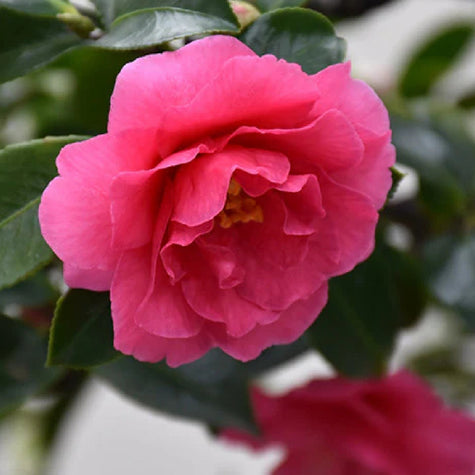
- Camellias for glossy leaves and cool-season flowers
- Abelia for arching growth, variegated foliage, and pollinator-friendly blooms
- Loropetalum for burgundy foliage and vibrant pink flowers
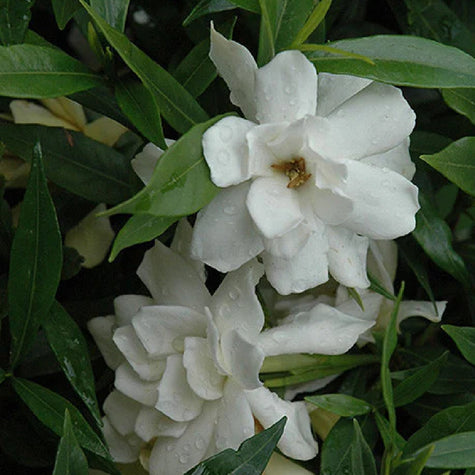
- Gardenias for fragrant white blooms and evergreen structure
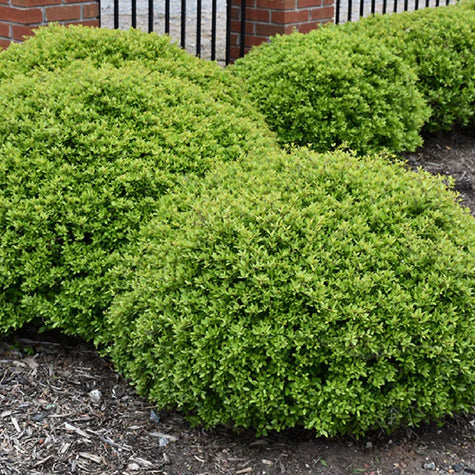
- Boxwoods for formal borders, foundation plantings, and containers
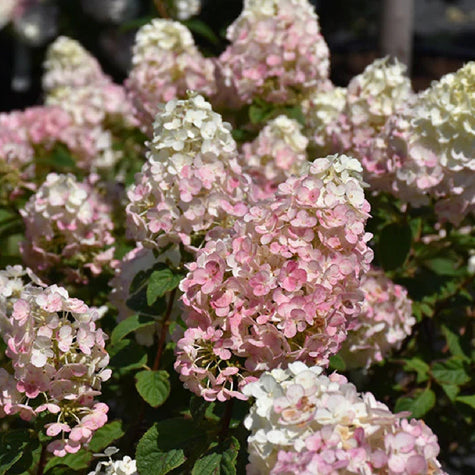
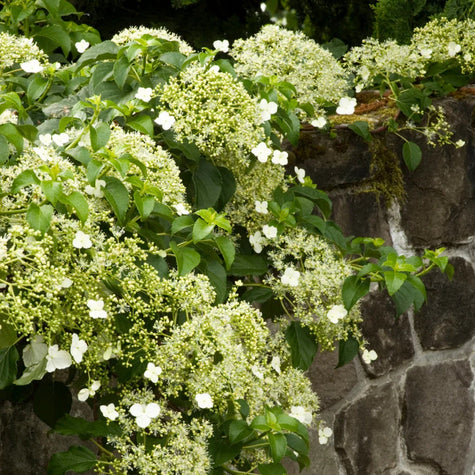
- Hydrangeas for bold flowers and dependable garden presence
Improve planting success by incorporating a quality soil amendment when appropriate and applying a root-starter product according to label directions. Water deeply after planting to settle the soil, then monitor moisture carefully as roots begin spreading into the surrounding ground.
Give Your Lawn a Strong Start for Fall
September lawn care depends on whether your lawn is made up of cool-season fescue or a warm-season grass such as Bermuda or Zoysia. Understanding the difference is essential because the two lawn types have very different seasonal needs.
Renovating and Overseeding Fescue
Early fall is the most important renovation period for tall fescue lawns. Fescue performs best during cooler weather and often becomes thin or stressed after a hot, humid summer. Overseeding helps restore density, improve color, and fill bare areas before winter.
For better seed-to-soil contact:
- Mow the existing lawn slightly lower than usual.
- Remove leaves, thatch, and loose debris.
- Core aerate compacted soil when needed.
- Spread seed evenly in more than one direction.
- Apply a starter fertilizer based on soil needs and label directions.
- Keep the seedbed consistently moist during germination.
Newly seeded areas may need light watering more than once a day at first, depending on heat, wind, rainfall, and soil conditions. The goal is to keep the upper layer of soil evenly moist without creating runoff or puddles. As seedlings establish, gradually reduce frequency and water more deeply.
Warm-Season Lawn Care
Bermuda and Zoysia lawns are beginning their transition toward dormancy. Continue mowing as needed, but avoid practices that encourage tender new growth too late in the season. This is also a good time to address weeds with the correct product for your lawn type and target weed.
Pre-emergent products can help reduce certain winter annual weeds by preventing seeds from successfully establishing. Timing matters: pre-emergents must be applied before the weeds germinate and watered in according to the product label. Always verify that the product is appropriate for your grass type and avoid applying it where you plan to seed fescue, since it may interfere with germination.
Important Lawn Reminder
Do not apply a standard pre-emergent herbicide to areas where you are preparing to overseed fescue unless the label specifically allows it. Products designed to stop weed seeds from germinating may also prevent lawn seed from establishing.
Plant a Productive Cool-Season Vegetable Garden
September opens the door to one of the most enjoyable vegetable-growing seasons in Georgia and the Carolinas. Cooler temperatures reduce heat stress for both plants and gardeners, and many leafy greens and root crops develop their best flavor in cool weather.
Good choices for the fall garden include:
- Kale
- Spinach
- Lettuce and salad mixes
- Collards
- Broccoli
- Cabbage
- Cauliflower
- Swiss chard
- Carrots
- Radishes
- Beets
- Turnips
Choose a location that receives at least six hours of sun and has good drainage. Refresh raised beds and in-ground gardens with compost or another appropriate organic amendment before planting. Avoid working wet soil, which can create compaction and damage its structure.
Leafy greens can be planted in traditional rows, raised beds, or decorative containers near the kitchen. Lettuce, kale, parsley, and Swiss chard can be both edible and ornamental, making them especially useful in small spaces.
Use Succession Planting for a Longer Harvest
Instead of planting every seed or transplant at once, stagger plantings by one to two weeks. Succession planting spreads out the harvest and helps avoid having an entire crop mature at the same time. Fast-growing crops such as radishes, lettuce, and spinach are especially well suited to this approach.
Continue harvesting warm-season vegetables such as peppers, tomatoes, and herbs while they remain productive. Remove plants that are diseased, declining, or no longer producing so they do not become a source of pests or disease.
Add Perennials That Support Pollinators
Pollinators remain active throughout September, and late-blooming plants provide an important source of nectar as the growing season begins to wind down. Adding perennials now supports bees and butterflies while strengthening the garden for future seasons.
Excellent September choices include:
- Asters
- Echinacea
- Rudbeckia
- Lantana
- Salvia
- Heuchera
- Coreopsis
- Joe-Pye weed
- Goldenrod
Plant several of the same variety together rather than scattering single plants throughout the yard. Larger groupings are easier for pollinators to locate and create a stronger visual impact. Include flowers with different shapes and bloom periods to serve a wider range of beneficial insects.
Avoid using broad-spectrum pesticides whenever possible, especially while plants are in bloom. When treatment is necessary, identify the pest first, choose the most targeted solution available, and follow label instructions carefully.
Bring Movement and Texture to the Fall Garden
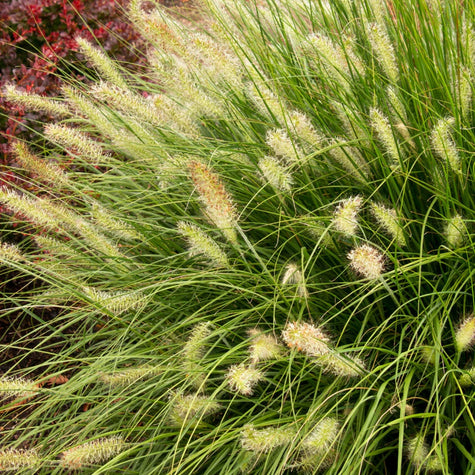
Ornamental grasses reach their peak as summer transitions into fall. Their fine foliage and airy flower plumes catch the light, move in the breeze, and add texture that contrasts beautifully with broad-leaved shrubs and bold seasonal flowers.
Use ornamental grasses to:
- Soften walkways and retaining walls
- Add movement to mixed borders
- Create seasonal screening
- Provide texture around patios
- Support birds with seed and shelter
- Bring fall interest to sunny garden beds
Pennisetum, Miscanthus, and Muhlenbergia offer different heights, colors, and habits. Select a variety whose mature size fits the space, and avoid planting large grasses too close to walkways, windows, or small companion plants.
Leave attractive seed heads standing through much of winter when possible. They provide seasonal structure and can offer food or shelter for wildlife. Most deciduous ornamental grasses can be cut back before new spring growth begins.
Plan Now for Spring-Flowering Bulbs
Beautiful spring gardens begin with fall planning. September is a good time to select bulbs, prepare planting areas, and think about where early color will have the greatest impact.
Popular spring-flowering bulbs include daffodils, tulips, crocus, hyacinths, and alliums. Availability and local performance vary, so choose varieties suited to your climate and follow package directions for planting depth, spacing, and any chilling requirements.
For a natural look, plant bulbs in generous groups or drifts instead of single straight rows. Layer smaller bulbs near the front of beds and taller varieties behind them. Bulbs can also be tucked among perennials, beneath deciduous trees, or into containers that can be moved into view when flowering begins.
Refresh Indoor Spaces with Houseplants
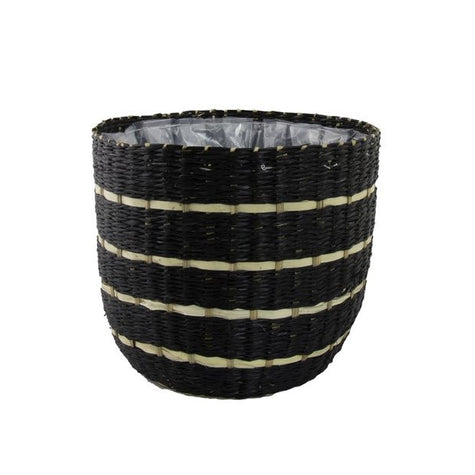
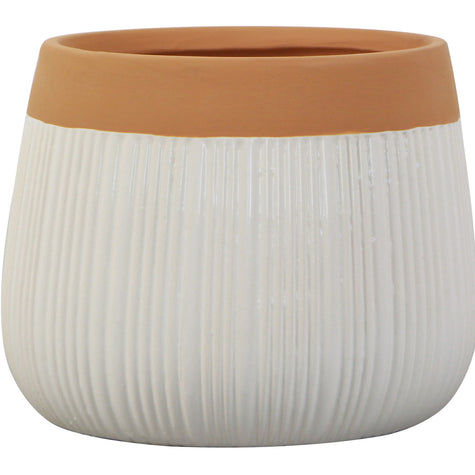
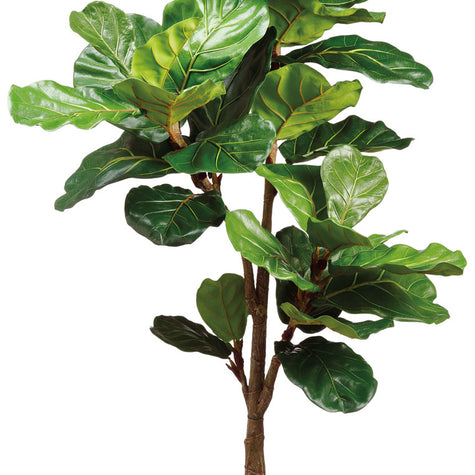
As outdoor routines begin to change, September is a natural time to bring more greenery indoors. Houseplants soften living spaces, add color and texture, and make beautiful companions for decorative pottery and woven baskets.
Consider foliage favorites such as:
- Philodendron
- Scindapsus
- Maidenhair ferns
- Crotons
- Pothos
- Snake plants
- ZZ plants
Match each plant to the light available in your home. Crotons generally need brighter light to maintain strong color, while many pothos, philodendrons, and ZZ plants tolerate moderate indoor conditions. Ferns often prefer consistent moisture and higher humidity but should not remain waterlogged.
Adjust Watering as the Season Changes
Houseplants may begin using water more slowly as daylight changes. Check the soil before watering rather than following a fixed weekly schedule. Empty excess water from saucers and decorative cachepots so roots are not left standing in water.
If houseplants spent the summer outdoors, inspect them carefully before bringing them inside. Look beneath leaves and along stems for insects, remove damaged foliage, and isolate any plant that shows signs of pests until the issue is resolved.
Make the Most of Fall with a Landscape Plan
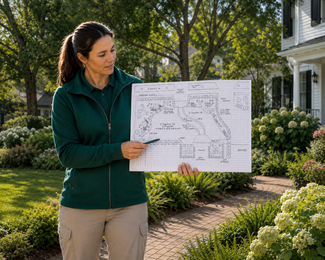
Fall's favorable planting conditions make September one of the best months to move a landscape project from idea to action. A thoughtful plan can help you choose plants that fit the site, improve year-round color, solve privacy concerns, create outdoor living areas, and avoid costly mistakes.
Landscape planning is especially valuable when you want to:
- Replace overgrown or declining foundation shrubs
- Add privacy around a patio or property line
- Create a pollinator-friendly garden
- Improve curb appeal
- Develop a more functional outdoor entertaining area
- Add trees for shade and seasonal interest
- Coordinate plants with existing hardscape and architecture
Starting now allows time to evaluate the property, create a cohesive design, select the right plants and materials, and take advantage of the Southeast's fall planting season.
Bring Your Garden Vision to Life
Work with a Pike landscape designer to create a personalized plan built around your home, lifestyle, and local growing conditions.
Explore Landscape DesignGive Existing Landscapes a Professional Checkup
If your lawn, trees, or shrubs are underperforming, a professional garden consultation can help identify the underlying cause. Problems that appear to be caused by watering may actually involve drainage, soil compaction, pests, disease, planting depth, or unsuitable plant placement.
A seasonal evaluation can help you prioritize repairs and improvements before investing in replacement plants. It is also useful for new homeowners who need help identifying existing plants and understanding how to care for the landscape they inherited.
September Garden Checklist
- Refresh porches and patios with mums and fall containers.
- Add pumpkins, gourds, and ornamental peppers for seasonal color.
- Plant trees, shrubs, and perennials while the soil is warm.
- Water new plantings deeply and monitor soil moisture.
- Apply mulch without piling it against trunks or stems.
- Prepare fescue lawns for aeration and overseeding.
- Avoid pre-emergent where you plan to sow grass seed.
- Plant lettuce, kale, spinach, broccoli, and other fall vegetables.
- Add asters, echinacea, and rudbeckia for pollinators.
- Use ornamental grasses for texture and fall movement.
- Select spring-flowering bulbs and prepare planting areas.
- Inspect houseplants before moving them indoors.
- Adjust houseplant watering as daylight begins to change.
- Schedule fall landscape design and garden consultations.
Frequently Asked Questions
Find answers to common questions about September planting, fall lawn care, mums, vegetables, trees, shrubs, and seasonal garden projects in Georgia and the Carolinas.
Why is fall a good time to plant trees and shrubs?
Fall combines warm soil with cooler air, allowing roots to develop while plants experience less heat stress. Trees and shrubs planted in fall have additional time to become established before the following summer.
Can I plant trees in September in Atlanta or Charlotte?
Yes. September is generally an excellent time to plant many trees in Atlanta, Charlotte, and surrounding areas. Select a tree suited to the site, plant it at the correct depth, mulch properly, and provide consistent water while roots establish.
How often should I water mums in containers?
Check container mums frequently because they can dry out quickly during warm fall weather. Water thoroughly when the upper layer of soil begins to feel dry, and always allow excess water to drain from the container.
When should I overseed a fescue lawn?
Early fall is typically the best time to overseed tall fescue in the Southeast because cooler weather supports germination and establishment. Exact timing depends on local temperatures, rainfall, and site conditions.
Can I apply pre-emergent and overseed fescue at the same time?
Most standard pre-emergent herbicides should not be applied where fescue seed will be planted because they may prevent the grass seed from germinating. Always read the product label and ask a garden expert when you are unsure.
What vegetables can I plant in September?
September is a good time to plant many cool-season vegetables, including lettuce, kale, spinach, collards, broccoli, cabbage, carrots, radishes, beets, and turnips. Planting windows vary by crop and location.
Which flowers support pollinators in September?
Asters, echinacea, rudbeckia, lantana, salvia, goldenrod, and other late-blooming plants can provide valuable nectar for bees and butterflies as summer transitions into fall.
Should ornamental grasses be cut back in fall?
Many ornamental grasses can remain standing through winter. Their seed heads provide seasonal texture and may support wildlife. Cut back deciduous grasses before fresh spring growth begins.
When should I plant spring-flowering bulbs?
Most spring-flowering bulbs are planted in fall. The best timing and any chilling requirements depend on the bulb variety and your location, so follow the package directions for the specific bulbs you select.
Why should I schedule landscape design in September?
September is an ideal time to plan landscape improvements because fall offers favorable planting conditions. Starting now gives you time to evaluate the site, develop a cohesive plan, and install plants while temperatures are more comfortable.
Let Your Fall Garden Take Root
September is a month of renewal in the Southeast garden. With cooler nights, warm soil, abundant seasonal color, and productive planting opportunities, it is the perfect time to refresh your porch, strengthen your lawn, grow fall vegetables, and invest in the long-term beauty of your landscape.
For recommendations tailored to your garden, visit your local Pike Nurseries and speak with one of our garden experts.
